Scalpex offers unique crypto derivatives like Bitcoin dominance futures with 100x leverage. Learn about its pros, cons, safety risks, and who should use it in this detailed review.
Cryptocurrency Trading: Essential Strategies and Tools
If you’re looking to master Cryptocurrency Trading, you’ve come to the right spot. When you dive into Cryptocurrency Trading, the process of buying, selling, or swapping digital assets on online platforms. Also known as crypto trading, it blends market timing, risk control, and platform knowledge. You’ll need a clear goal—whether it’s long‑term investing, day‑trading profits, or hedging exposure—to shape every decision you make. The more you understand the moving parts, the easier it becomes to spot opportunities and avoid common pitfalls.
Choosing the right Crypto Exchange, a service that lets you deposit, trade, and withdraw crypto assets is the first practical step. Centralized venues like OKX or Binance offer deep order books, fiat on‑ramps, and customer support, while decentralized protocols such as Uniswap or 1inch let you trade directly from a wallet without handing over custody. Compare fees, liquidity, security audits, and geographic restrictions before committing. A smart trader often splits volume across multiple exchanges to capture the best price, reduce slippage, and stay compliant with regional regulations.
Once you’ve landed on an exchange, Technical Analysis, the study of price charts and patterns to predict future moves becomes your primary decision engine. Moving averages (SMA, EMA) help you gauge trend direction, while chart patterns—triangles, flags, head‑and‑shoulders—signal potential breakouts. Combine these visuals with momentum indicators like RSI or MACD to confirm strength. Remember, the goal isn’t to predict the future with certainty but to increase the odds of a favorable entry or exit. Practicing on a demo account or reviewing historical charts can sharpen your pattern‑recognition skills before you risk real capital.
Executing a trade correctly hinges on knowing the right Order Type, the instruction you give an exchange to buy or sell at a specific condition. Market orders guarantee immediacy but can suffer slippage during volatile spikes, especially on thin order books. Limit orders let you set a price floor or ceiling, protecting you from unexpected moves, but they may sit unfilled if the market never reaches your level. Advanced traders also use stop‑loss and take‑profit orders to automate risk management. By matching order type to market conditions—tight spreads for scalpers, wider limits for swing trades—you reduce surprise losses and lock in gains more reliably.
For those chasing higher leverage, exploring DeFi Derivatives, synthetic contracts that let you bet on crypto price movements without owning the underlying asset opens a new layer of opportunity. Platforms like SynFutures v2 blend AI‑driven pricing models with Layer‑2 scaling to keep transaction costs low while offering perpetual swaps, futures, and options. These products let you amplify exposure, but they also magnify risk, so understanding funding rates, liquidation thresholds, and collateral requirements is essential. Pairing derivative exposure with solid spot positions and disciplined risk limits can create a balanced portfolio that takes advantage of both markets.
Below you’ll find hands‑on guides, token reviews, and pattern deep‑dives that turn these concepts into real‑world moves. Dive in and start sharpening your edge.
 27
Aug
27
Aug
Explore STON.fi, a TON-based DEX offering fast, private swaps with 0.3% fees. Learn about its security, staking rewards, and why it suits privacy-focused traders.
 22
Aug
22
Aug
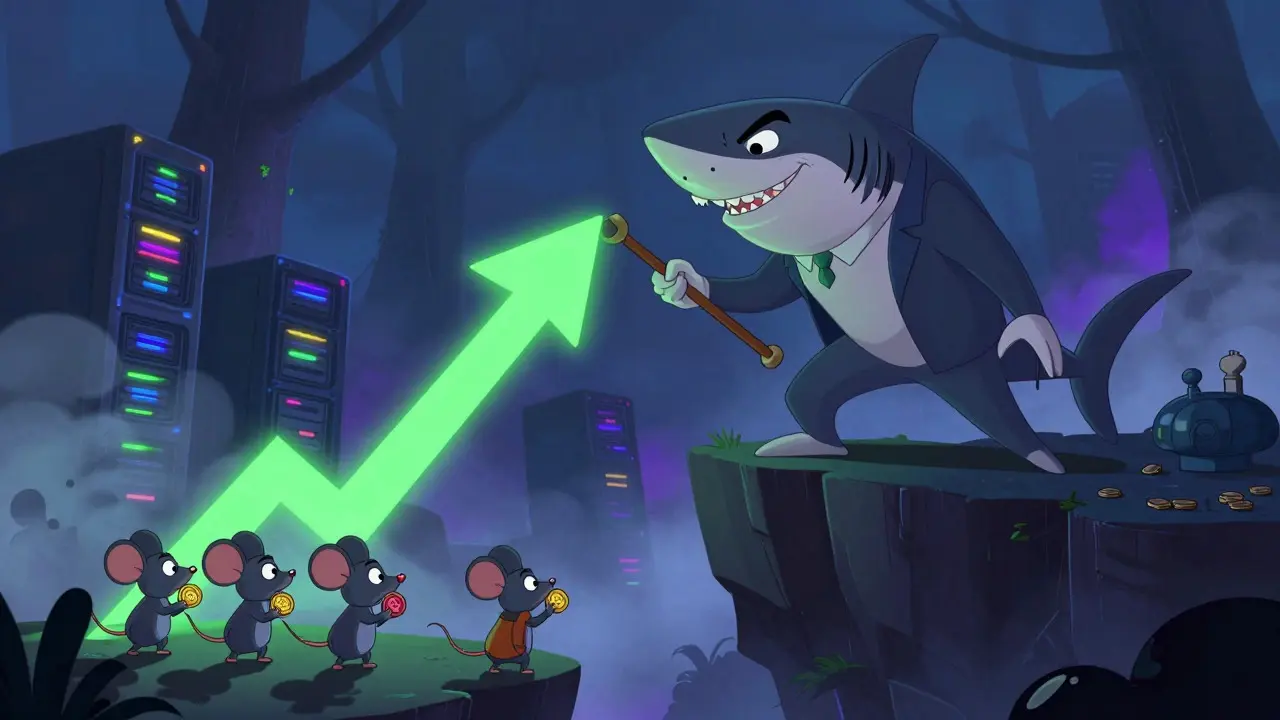
Discover how whales use pump and dumps, wash trading, and oracle hacks to game crypto prices. Learn the red flags and protection strategies to keep your investments safe.
 19
Aug
19
Aug
Discover if FreeBitcoins.com is right for you. This review covers fees, no-KYC benefits, obscure altcoin availability, and key risks to consider before trading.
 11
Aug
11
Aug
Discover if Escodex is right for you. This review covers its 0.10% flat trading fees, BitShares infrastructure, and lack of fiat support. Perfect for experienced traders seeking low costs.
 8
Aug
8
Aug
There is no official CoinSwap Space (CSS) airdrop in 2026. Learn how to earn CSS tokens through yield farming, understand the CSS vs CSSl tokenomics, and avoid common scam traps.
 1
Aug
1
Aug
A detailed review of EMX crypto exchange, covering its hybrid derivatives model, fees, security, and suitability for non-US traders.
 22
Jul
22
Jul
Discover which crypto exchanges are banned in China and understand the 2026 regulatory landscape. Learn about the risks of trading, the e-CNY alternative, and why ownership laws differ from trading bans.
 21
Jul
21
Jul
Discover why Bitcoin costs more in South Korea. We explain the Kimchi premium, how capital controls create price gaps, and why arbitrage is nearly impossible for outsiders.
 20
Jul
20
Jul
Is XT.COM safe in 2026? Our review covers fees, security scores, and user complaints about withdrawals. Find out if this Seychelles-based exchange is right for your trading needs.
 19
Jul
19
Jul
The Philippines blocked 10 major crypto exchanges in Aug 2025 for lacking licenses. Learn about SEC rules MC 4 & 5, new taxes, and how to stay compliant.
 13
Jul
13
Jul
Discover how Nigerian banks handle crypto-to-fiat withdrawals in 2026. Learn about CBN guidelines, SEC licenses, and how to avoid account freezes.