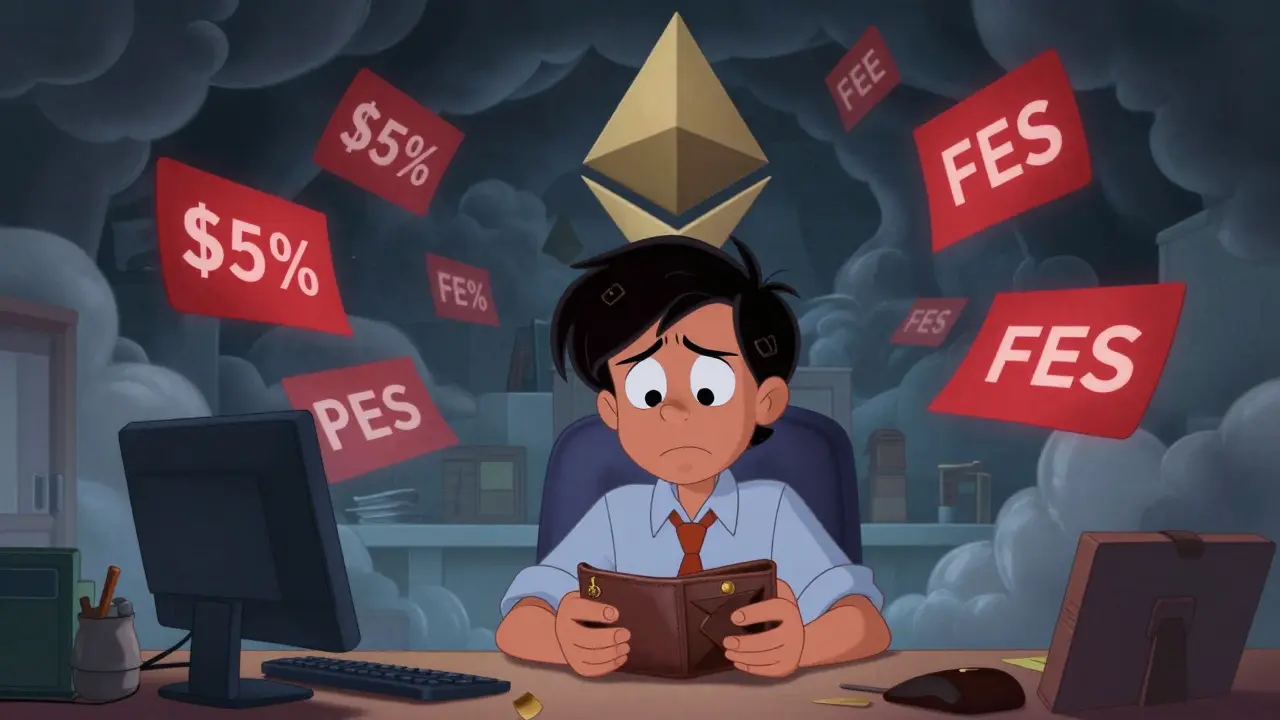
Have you ever tried to swap tokens on Ethereum and felt like you just paid for a small vacation instead of a transaction? You are not alone. High gas fees have pushed many traders to look elsewhere, leading them to niche ecosystems like Conflux Network, which promises faster speeds and lower costs. Sitting at the heart of this ecosystem is Swappi, an automated market maker (AMM) decentralized exchange (DEX). Swappi was officially recognized as the first DEX to launch on Conflux eSpace, an EVM-compatible environment that allows Ethereum-native apps to run on Conflux. But being the "first" doesn't always mean it's the best. With a market capitalization hovering around $650,000 and a CoinMarketCap ranking of #5477, Swappi is a tiny player in a massive industry. So, is it a hidden gem or a risky dead end? Let’s break down what Swappi actually offers, how secure it is, and whether you should trust your funds with it in 2026.
What Exactly Is Swappi?
Swappi is not a centralized exchange like Binance or Coinbase where you deposit money into their custody. Instead, it is a non-custodial platform. This means you connect your own wallet, and you retain 100% ownership of your assets at all times. If the website goes down, your funds are still safe in your wallet. Swappi operates specifically on the Conflux eSpace. Think of eSpace as a bridge. It allows developers to deploy smart contracts written for Ethereum Virtual Machine (EVM) onto the Conflux blockchain. For you, the user, this translates to familiar interfaces but with significantly lower transaction costs than Ethereum mainnet.
The platform revolves around three core functionalities:
- Swap: The standard feature allowing you to trade one token for another instantly using liquidity pools.
- Stake & Earn: A yield farming mechanism where you provide liquidity to earn trading fees and rewards in the native PPI token.
- Win: A unique lottery-style gamification feature where users can purchase tickets to win cash prizes, adding an entertainment layer to DeFi.
While these features sound comprehensive, the reality of using Swappi depends heavily on the health of the underlying Conflux ecosystem. As of late 2023 data, which remains the most recent substantial benchmark, Conflux held only about 0.08% of the total blockchain market share. Swappi’s success is directly tied to this network’s ability to attract more users and developers.
Fee Structure and Cost Efficiency
One of the primary reasons people flock to Swappi is cost. On Ethereum-based DEXs like Uniswap, a simple swap can cost anywhere from $5 to $50+ during peak congestion. Swappi leverages the Conflux Network’s architecture to offer transaction costs that are fractions of a cent. This makes it highly attractive for micro-traders or those who want to execute multiple small trades without bleeding capital to fees.
However, low fees come with trade-offs. The main compromise is liquidity. Because Swappi is a niche DEX, the depth of its order books (or liquidity pools) is shallow compared to giants like PancakeSwap or Curve. This leads to higher slippage when trading larger amounts. If you try to swap $10,000 worth of CFX for USDT on Swappi, you might get a much worse rate than if you did the same on a major exchange due to insufficient pool depth. For small swaps under $500, Swappi is incredibly efficient. For large institutional moves, it is currently not viable.
| Feature | Swappi | Uniswap (Ethereum) | PancakeSwap (BSC) |
|---|---|---|---|
| Network | Conflux eSpace | Ethereum Mainnet | Binance Smart Chain |
| Avg. Transaction Fee | < $0.01 | $5 - $50+ | $0.10 - $1.00 |
| Liquidity Depth | Low (Niche) | Very High | High |
| Supported Tokens | CFX, WBTC, USDT, PPI, BNB | Thousands | Thousands |
| Unique Features | Lottery (Win), First-mover on Conflux | Industry Standard, NFT Marketplace | Syrup Pools, Lottery |
Security Audit and Trust Factors
In the world of decentralized finance, security is everything. One hack can wipe out millions. Swappi has taken steps to address this by undergoing a security audit by Certik, a well-regarded blockchain security firm. While the full technical report isn't always easily accessible to the average user, the presence of a Certik badge is a positive signal. It suggests that independent experts have reviewed the smart contract code for common vulnerabilities like reentrancy attacks or overflow errors.
Beyond audits, Swappi employs several other security best practices:
- Open Source Code: The software is open-sourced, meaning anyone can inspect the logic behind the platform.
- Contract Verification: All contracts are verified on Conflux Scan, the block explorer for the network, allowing transparency.
- Multisig Implementation: Administrative functions require multiple signatures, preventing a single compromised key from draining funds.
- Timelock Deployments: Changes to the protocol are delayed, giving users time to withdraw funds if they disagree with proposed updates.
Despite these measures, remember that no system is 100% hack-proof. The risk also lies in your own actions. Since Swappi is non-custodial, if you lose your private keys or connect to a phishing site disguised as Swappi, there is no customer support team to recover your funds.

Tokenomics: The Role of PPI
Every DEX needs a governance and reward token, and Swappi uses PPI. Understanding PPI is crucial because it drives the incentive structure of the platform. Here are the key stats regarding PPI:
- Total Supply: 488,000,000 PPI
- Circulating Supply: Approximately 4.6 million PPI (less than 1% of total supply)
- Market Cap: ~$650,000 (indicating high volatility potential)
- Price: Historically trading in the sub-cent range ($0.00134)
The low circulating supply relative to the total supply suggests significant inflationary pressure in the future. Most PPI tokens are likely locked in staking rewards or reserved for future development. For investors, this means the price could be volatile. If new tokens are unlocked and dumped onto the market, the price could drop sharply. Conversely, if demand for swapping on Conflux grows, the limited available supply could drive prices up. It’s a classic high-risk, high-reward scenario typical of early-stage DeFi projects.
User Experience and Accessibility
Getting started with Swappi is straightforward if you already use decentralized exchanges. There is no registration process. You don’t need to verify your identity (KYC). You simply visit swappi.io and connect a compatible wallet. However, this simplicity masks a few hurdles for beginners.
First, you need a wallet that supports Conflux eSpace. MetaMask is supported, but you must configure it to recognize the Conflux network parameters. Second, you need to acquire the base tokens. Unlike centralized exchanges where you can buy crypto with a credit card, you usually need to buy CFX (Conflux’s native token) or USDT on a centralized exchange like KuCoin, then transfer it to your wallet before interacting with Swappi. This multi-step process can be confusing for newcomers. If you forget to keep some CFX in your wallet for gas fees, your transactions will fail.
The interface itself is clean and follows standard AMM layouts. You select the token you have, the token you want, and approve the transaction. The "Win" feature adds a playful element, allowing users to buy lottery tickets with their PPI or other tokens. While fun, it’s important to treat this as gambling, not investing.

Is Swappi Right for You?
Swappi is not for everyone. If you are looking for deep liquidity, thousands of trading pairs, and instant fiat on-ramps, stick to centralized exchanges or major DEXs like Uniswap. Swappi shines in specific scenarios:
- You are already invested in Conflux: If you hold CFX or other Conflux-native tokens, Swappi is the most logical place to swap them without bridging to other chains.
- You want ultra-low fees: For frequent small trades, the cost savings are real.
- You believe in early-stage ecosystems: If you think Conflux Network will grow significantly, getting in early via Swappi could yield rewards through PPI appreciation and yield farming.
On the flip side, avoid Swappi if you are moving large sums of money, need immediate customer support, or are uncomfortable with the technical setup of connecting wallets and managing gas fees. The lack of extensive user reviews and sentiment analysis online is also a red flag for some. It indicates a small community, which means less collective wisdom to fall back on if things go wrong.
Final Verdict
Swappi is a functional, secure, and cost-effective DEX within the Conflux ecosystem. It delivers on its promise of low fees and decentralization. However, its niche status means it suffers from low liquidity and limited token variety. In 2026, it remains a specialized tool rather than a general-purpose exchange. Use it if you are deeply embedded in the Conflux network or seeking low-cost micro-swaps. Otherwise, the risks of slippage and complexity may outweigh the benefits.
Is Swappi safe to use?
Swappi has undergone a security audit by Certik and implements multisig and timelock features, which are strong security indicators. However, as with any decentralized exchange, you are responsible for your own wallet security. Always ensure you are on the official swappi.io domain and never share your private keys.
What tokens can I trade on Swappi?
Swappi primarily supports tokens within the Conflux ecosystem. Key pairs include CFX (Conflux), WBTC (Wrapped Bitcoin), USDT (Tether), MULTI, BNB, and the native PPI token. The selection is smaller than major DEXs like Uniswap.
How do I get started with Swappi?
You need a Web3 wallet like MetaMask configured for Conflux eSpace. Buy CFX or USDT on a centralized exchange, send it to your wallet, connect your wallet to swappi.io, and start swapping. No account creation is required.
What is the PPI token used for?
PPI is the native utility token of Swappi. It is used for governance, rewarding liquidity providers through yield farming, and participating in the "Win" lottery feature. Holding PPI aligns your interests with the growth of the Swappi platform.
Why are Swappi fees so low compared to Uniswap?
Swappi runs on Conflux Network, which has a different consensus mechanism and infrastructure designed for high throughput and low costs. Ethereum, where Uniswap primarily operates, often faces network congestion that drives up gas fees. Conflux eSpace avoids this bottleneck.
Can I stake my tokens on Swappi?
Yes, Swappi offers a "Stake & Earn" feature. By providing liquidity to trading pairs, you receive LP tokens which you can then stake to earn PPI rewards. This is a form of yield farming common in DeFi.
Is Swappi available globally?
As a decentralized platform, Swappi is accessible from anywhere with an internet connection. However, local regulations regarding cryptocurrency usage vary by country. Always check your local laws before engaging in DeFi activities.
What happens if I lose my wallet password?
Since Swappi is non-custodial, there is no password reset option. If you lose access to your wallet, your funds are permanently inaccessible. This underscores the importance of backing up your seed phrase securely.
Does Swappi have a mobile app?
Currently, Swappi is accessed via web browser. You can use it on mobile devices by visiting the website through a mobile browser and connecting your mobile wallet, such as MetaMask Mobile.
How does the "Win" feature work?
The Win feature is a lottery system integrated into the exchange. Users can purchase lucky tickets using supported tokens. Winners are selected randomly, and prizes can amount to thousands of dollars. It is optional and separate from trading.




Mekz Wheoki
Oh look, another 'first mover' on a chain nobody uses.
I remember when everyone thought Conflux was the next big thing because it had some academic backing. Spoiler alert: it's not. Swappi is just a wrapper around a liquidity desert. You think low fees matter when you can't even swap $500 without slipping 10%? It’s like buying a Ferrari that only runs on water and has no gas stations nearby.
Manish Prajapat
I see your point about the liquidity issues, but I think we shouldn't dismiss the technological achievement entirely. The integration with eSpace is actually quite clever for developers who want to port Ethereum dApps without rewriting everything from scratch. It might be niche now, but infrastructure often precedes adoption. Perhaps if more projects build on Conflux, the liquidity will follow naturally over time.
Mekz Wheoki
Infrastructure means nothing without users.
You're talking about developer convenience while retail traders are getting wrecked by slippage. A bridge to nowhere is still a bridge to nowhere. Until there's actual volume, this is just vaporware wrapped in a pretty UI.
Rob Aronson
Let's look at the tokenomics here, folks. 📉 The circulating supply of PPI is less than 1% of the total supply. That is massive inflationary pressure waiting to happen. Most of those tokens are locked up for staking rewards or team vesting. When they unlock, expect a dump.
The Certik audit is nice, sure, but audits don't stop bad tokenomics. If you're holding PPI expecting moonshots, you're likely bagholding future unlocks. Do your own research on the vesting schedule before you ape in. 🧐
dan kaffeman
This whole post smells like shilling. Who cares about Conflux? It's a Chinese project trying to sneak into Western markets. We should be sticking to US-based chains or Ethereum proper. Anything else is just risky garbage for degens who don't understand real value. Burn it all down and start over with proper regulation.
Meg Gran
typo alert but whatever.
u/2540 ur so funny with ur 'proper regulation' talk. regulation is just a word rich people use to keep us poor. i love swappi because its cheap. why pay $50 for gas when i can pay $0.01? im not moving millions, im moving my lunch money. let me eat.
Danna Charris
Please. The idea that micro-transactions justify using a platform with such limited utility is laughable. If you cannot execute a meaningful trade size without significant slippage, the platform is functionally useless for any serious trader. Stick to Uniswap or PancakeSwap where the depth actually exists. This is amateur hour.
Mauricio Contreras Loredo
Hey hey, chill out everyone! 😂 Look, I get it, Swappi isn't Uniswap. But have you tried the lottery feature? I won 50 bucks last week playing the 'Win' game. It's basically gambling, yeah, but at least it's fun gambling on a chain that doesn't charge me an arm and a leg for every click. Sometimes you just gotta enjoy the ride instead of analyzing the engine block to death. Live a little!
Skm Shubham
The 'Win' feature is just a distraction from the fact that the core product is weak. Yield farming on Swappi yields PPI, which is an inflationary token with a fixed cap that is mostly unlocked later. You are earning tokens that are losing value faster than you earn them. Classic DeFi trap. Don't fall for the gamification; look at the APY vs. token dilution rate. It's negative ROI in most cases.
Mark Corpuz
While the criticism regarding liquidity is valid, it is important to acknowledge the security measures implemented by the development team. The use of multisig wallets and timelock deployments provides a layer of protection against rug pulls and malicious admin actions that is often lacking in smaller, newer DEXs. For users already within the Conflux ecosystem, Swappi remains the most viable option for swapping native assets without bridging costs.
Sylvia Mossman
Everyone here is missing the forest for the trees. Swappi is safe? Sure, technically. But safe is boring. Safe doesn't make you rich. If you're worried about losing your private keys, you shouldn't be in crypto at all. This platform is for people who want to experiment. If you can't handle the risk of a niche chain, go buy stocks. Stop whining about slippage and take the leap.
Yogendra Dwivedi
I appreciate the detailed breakdown in the original post. It really helps to understand the trade-offs between fee efficiency and liquidity depth. For those of us who hold CFX long-term, having a local DEX is convenient enough for small rebalancing acts. I suppose the key is knowing your limits-use Swappi for small swaps under $500 as suggested, and stick to larger venues for bigger moves. Balance is key.
John Doe
It is absolutely heartbreaking to see how much potential these niche ecosystems have, only to be stifled by lack of marketing and community engagement. Swappi could be a gem if the team focused on user acquisition rather than just technical metrics. The frustration of high gas fees on Ethereum is real, and people are desperate for alternatives. Let's support innovation, even if it's imperfect, because progress requires trial and error. 💔
Alexander DeVries
Look, I'm going to say this clearly: if you are not technical, stay away. Setting up MetaMask for Conflux eSpace is a hurdle that filters out 90% of retail users. Once you are in, it works fine. But do not expect hand-holding. The interface is clean, yes, but the backend complexity is hidden. Use it if you know what you are doing. Otherwise, you will lose money to mistakes, not just slippage. Stay sharp.