You’ve heard the buzz. You’ve seen the whispers on Twitter about LaunchZone and its mysterious $LZ token. The promise of an "NFT Unit Farm" airdrop is circulating through DeFi circles, but here is the hard truth: specific details are scarce. Unlike established platforms with clear whitepapers and public roadmaps, LaunchZone operates in that high-risk, high-reward gray area where information is fragmented and hype often outpaces substance.
If you are looking for a step-by-step guarantee of free tokens, you might be disappointed right now. But if you are a seasoned farmer ready to dig into the unknown, this guide breaks down exactly what we know about the LaunchZone ecosystem, how NFT farming typically works in these scenarios, and the critical steps you need to take to position yourself without getting scammed.
The Core Concept: What Is LaunchZone?
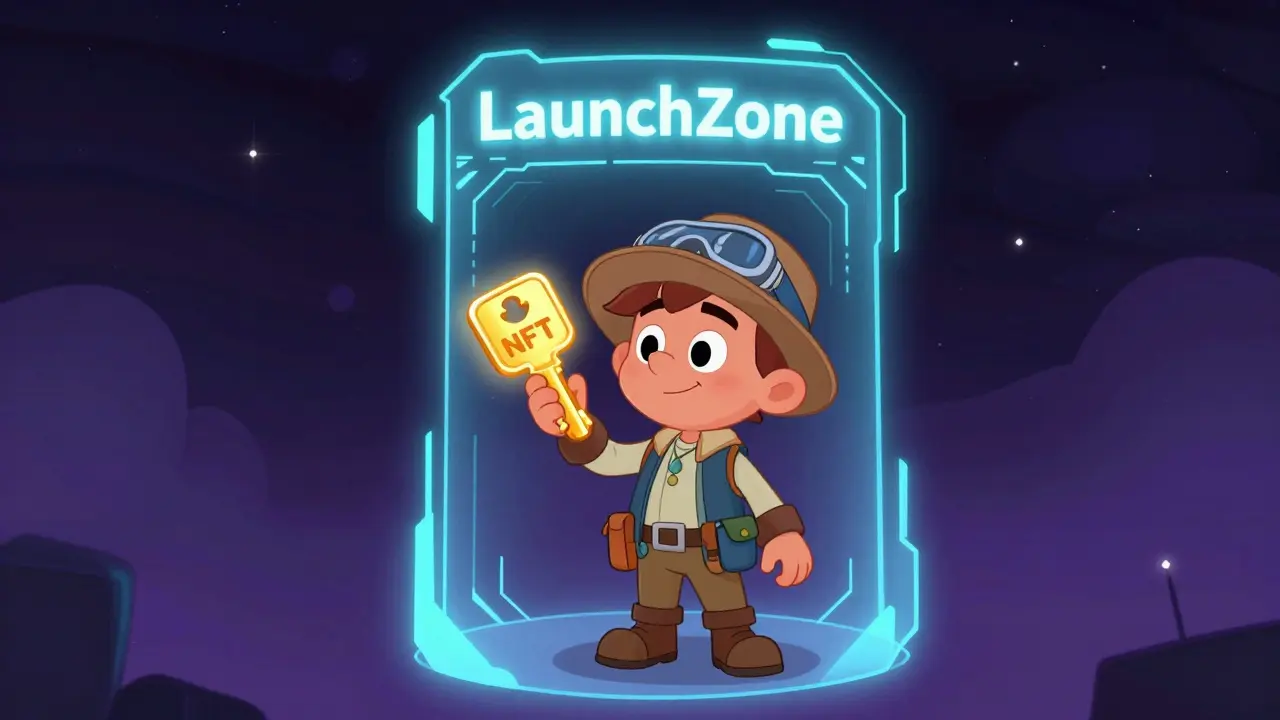
At its heart, LaunchZone positions itself as a decentralized finance (DeFi) platform. According to available video content and community discussions, it aims to integrate governance and utility under one roof using its native token, $LZ. The platform claims to support sustainable growth, though the mechanics behind this claim remain vague in public documentation.
The term "NFT Unit Farm" suggests a mechanism where users hold or interact with Non-Fungible Tokens (NFTs) to earn rewards. In traditional DeFi, you stake tokens. In NFT farming, you often stake the NFT itself, or use it as a key to unlock yield-generating opportunities. Think of it like having a VIP pass that not only gets you into the club but also pays you every time you walk through the door.
| Feature | Typical DeFi Airdrop | LaunchZone (Reported) |
|---|---|---|
| Entry Requirement | Swap/Liquidity Provide | NFT Ownership / Staking |
| Token Symbol | Varies (e.g., JUP, ETH) | $LZ |
| Transparency | High (Public Roadmap) | Low (Limited Public Data) |
| Risk Level | Medium (Smart Contract Risk) | High (Scams/Opacity) |
Decoding the "NFT Unit Farm" Mechanism
Since official documentation is sparse, we have to look at how similar systems operate. An "NFT Unit" likely refers to a specific digital asset issued by LaunchZone. Here is how these farms usually function:
- Acquisition: You obtain the NFT. This might involve buying it on a marketplace, minting it directly from their site, or earning it through early participation.
- Staking: You deposit the NFT into a smart contract designated as the "Farm."
- Yield Generation: While staked, the NFT accrues points or tokens. In some models, the NFT acts as a multiplier for other activities, such as providing liquidity.
- Airdrop Distribution: At a predetermined snapshot or continuously, the protocol distributes $LZ tokens to eligible wallets.
The danger here lies in the "Unit" aspect. If the NFT has no intrinsic value outside of this farm, and the project fails, you are left with a worthless image file. Always verify the contract address before interacting with any NFT.
Red Flags and Security Protocols
In the world of crypto airdrops, silence is suspicious. The lack of detailed technical specs for LaunchZone’s NFT Unit Farm is a major red flag. Compare this to projects like Jupiter LFG Launchpad, which clearly stated minimum staking requirements (10 JUP tokens), or Linea Park, which outlined tiered voucher systems based on wallet balances. LaunchZone currently lacks this clarity.
To protect your capital and data, follow these strict security rules:
- Never Share Private Keys: No legitimate airdrop will ever ask for your private key or seed phrase. If a site asks for this, close it immediately.
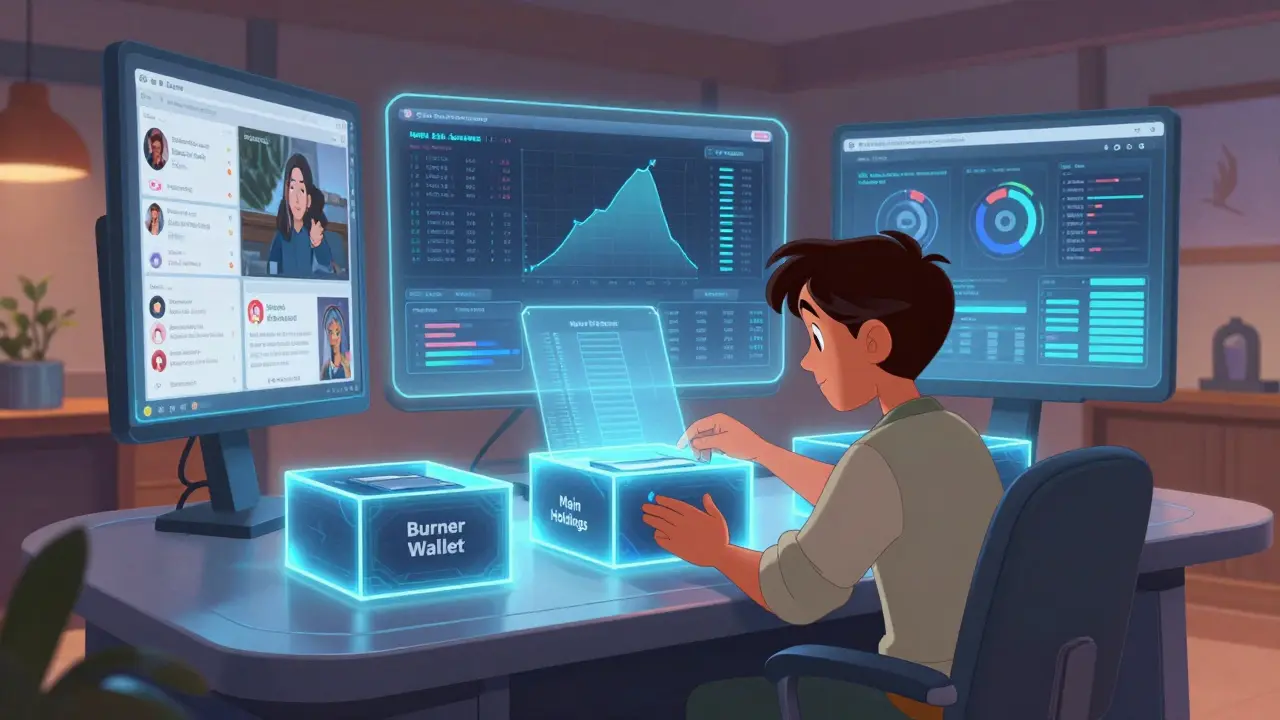
- Use a Burner Wallet: Create a separate MetaMask or Phantom wallet specifically for airdrop farming. Fund it with only what you can afford to lose. Keep your main holdings isolated.
- Verify Contract Addresses: Copy-paste addresses from official sources only. Do not click links from random Twitter DMs or Telegram groups.
- Check Revoked Permissions: Use tools like Revoke.cash regularly to ensure you haven’t granted unlimited spending power to unknown contracts.

Strategic Preparation: How to Position Yourself
Even without concrete details, you can prepare for potential opportunities. Experienced farmers like Taiki, who manages large-scale airdrop portfolios, emphasize consistency and diversification. Here is a practical checklist to get ready:
- Monitor Official Channels: Follow LaunchZone’s verified Twitter account and Discord server. Look for pinned messages regarding "Snapshot Dates" or "Claim Windows."
- Engage Early: If there is a testnet or a beta version of the platform, participate. Many airdrops reward early adopters who provide feedback or report bugs.
- Track NFT Marketplaces: Check OpenSea, Magic Eden, or Blur for any new collections labeled "LaunchZone." Sometimes, the "Unit" NFTs are traded before the farm opens.
- Calculate Gas Costs: If the platform is on Ethereum Mainnet, gas fees can eat into small airdrop rewards. Consider if the network is EVM-compatible (like Polygon or Arbitrum) where fees are lower.
The Reality of Airdrop Farming in 2026
The landscape has changed. In 2024, simple interactions were enough. By 2026, protocols are more sophisticated. They track "sybil" behavior-multiple wallets created by one person to game the system. LaunchZone may employ advanced analytics to filter out bots.
This means organic activity matters. If you decide to farm, do it naturally. Don’t just create ten wallets and spam transactions. Interact with the platform as a real user would. Swap small amounts, provide minimal liquidity, and hold assets over time. Consistency beats volume when algorithms are watching.
Comparing Alternatives: Is It Worth the Risk?
Before committing time and money to LaunchZone, consider if there are safer bets. Platforms like Jupiter or those integrated with Galxe offer clearer paths to rewards. For example, some platforms require holding specific tokens (like 1700 LXP in Linea Park) to unlock tiers. These criteria are transparent. With LaunchZone, you are betting on the *promise* of an airdrop rather than a confirmed mechanism.
If you choose to proceed, treat it as venture capital, not income. Allocate a tiny percentage of your portfolio-say, 1-2%-to experimental farms like this. Never bet your rent money on an unverified DeFi protocol.
Next Steps and Troubleshooting
What should you do today? First, verify if LaunchZone has released an official whitepaper or audit report. If not, proceed with extreme caution. Second, set up alerts for "$LZ token" on CoinGecko or CoinMarketCap to see if it lists officially. Third, join the community forums but remain skeptical of influencers promising guaranteed returns.
If you encounter issues connecting your wallet, check if the platform supports your network. Most modern DeFi apps require MetaMask, WalletConnect, or Coinbase Wallet. Ensure your browser extensions are updated. If a transaction fails, never retry immediately; wait for confirmation blocks to avoid double-spending errors.
Is the LaunchZone $LZ airdrop legit?
There is no definitive proof of legitimacy yet due to limited public documentation. Proceed with caution, use a burner wallet, and never invest more than you can afford to lose. Verify all contract addresses independently.
How do I get the NFT Unit for the farm?
Currently, the acquisition method is unclear. Monitor official LaunchZone channels for minting events or marketplace listings. Do not buy NFTs from unofficial third-party sites claiming to sell "LaunchZone Units" unless verified by the team.
What is the minimum requirement to qualify?
Unlike Jupiter LFG which required 10 JUP tokens, LaunchZone has not published specific minimums. Expect requirements to include NFT ownership, staking duration, or interaction history. Stay tuned for official announcements.
Can I farm the airdrop on mobile?
Yes, most DeFi platforms are mobile-friendly via WalletConnect. However, complex NFT farming interfaces may be easier to manage on a desktop browser for better visibility of transaction details.
When will the $LZ token launch?
No official date has been released. Be wary of rumors suggesting specific dates. Always rely on information from the official LaunchZone website or verified social media accounts.