What Exactly Are Decentralized Gaming Platforms?
Decentralized gaming platforms are video games built on blockchain technology where players own their in-game items - not the company that made the game. This isn’t just about better graphics or faster loading times. It’s a complete shift in who controls what you earn and buy while playing. In traditional games like Fortnite or World of Warcraft, everything you unlock - skins, weapons, characters - belongs to the publisher. They can delete it, ban you, or change the rules anytime. In decentralized games, your items are stored as NFTs on a public ledger. You hold the keys. You can sell them, trade them, or even use them in other games if the developers allow it.
This model didn’t start with fancy studios or big budgets. It began with CryptoKitties in 2017, a simple game where people bred digital cats as NFTs. People spent thousands of dollars on them. It was weird, but it proved something: players would pay real money for digital things they truly owned. Today, that idea has grown into a $18.3 billion market as of 2024, with over 142 million active wallets playing Web3 games monthly. Platforms like The Sandbox, Axie Infinity, and Gods Unchained lead the pack, each letting players earn cryptocurrency just by playing.
How Do These Games Actually Work?
At the core of every decentralized game is a smart contract - a self-executing code on a blockchain. These contracts handle everything: who owns what, how rewards are paid out, how items can be traded. Most games run on Ethereum, Solana, or Binance Smart Chain. Each has trade-offs. Ethereum is secure but slow and expensive. Solana is fast and cheap, making it popular for games that need quick actions. Binance Smart Chain strikes a middle ground.
To play, you need a Web3 wallet - usually MetaMask or Trust Wallet. You don’t just download the game like you would on Steam. You connect your wallet, buy some crypto (like ETH or SOL), then use it to buy starter assets. Maybe it’s a character, a piece of land, or a weapon. These assets are NFTs. Once you own them, they’re yours forever unless you sell them. Some games even let you earn tokens by completing quests, winning matches, or renting out your assets to other players. Axie Infinity, for example, pays players in AXS and SLP tokens - some earn $50 to $500 a month playing part-time.
Game assets aren’t all stored on the blockchain. That would be too slow and expensive. Instead, the ownership data (who owns the sword, when it was bought) goes on-chain. The actual image, sound, or animation is stored on decentralized networks like IPFS or Filecoin. This keeps things fast while still ensuring the asset can’t be deleted or altered by the developer.
Play-to-Earn: Real Money from Gaming
The biggest draw of decentralized games is play-to-earn (P2E). It’s not a gimmick. People in countries like the Philippines, Vietnam, and Thailand are using these games as a real source of income. During the pandemic, thousands of Filipinos joined Axie Infinity’s Scholar program - where they borrowed NFTs from investors and split the earnings. One Reddit user, u/BlockchainGamer87, wrote in February 2025: “I started playing Axie with a borrowed set of Axies. Three months later, I bought my own. Now I earn more than my part-time job.”
According to Coinfantasy.io’s April 2025 report, players average $0.50 to $5.00 per hour of gameplay. That adds up. A player putting in 15 hours a week could make $375 a month. That’s not enough to quit your job in the U.S., but in places where average wages are lower, it’s life-changing. The problem? Most P2E games aren’t built to last. Dr. Michael Johnson from Stanford warned in April 2025 that 68% of token economies collapse within 18 months. Why? Too many rewards, not enough real demand. When new players stop joining, the token price crashes. GameFi Zoo collapsed in August 2024 after its token lost 99% of its value. Thousands of players were left with digital trash.
Successful games like The Sandbox and Axie Infinity have shifted from pure P2E to “play-and-earn.” Players still earn, but now they also spend - buying land, upgrading items, trading skins. This creates a real economy, not just a pump-and-dump scheme.
Why Most People Struggle to Get Started
For all the hype, getting into decentralized gaming is still hard. Most players quit before they even finish setup. Trustpilot reviews from May 2025 show 67% of complaints are about wallet issues - connecting, approving transactions, losing keys. One user on Reddit lost $1,200 worth of NFTs after clicking a fake MetaMask link. That’s not the game’s fault. It’s user error. And it’s common.
Here’s the typical onboarding process: buy crypto → set up wallet → connect to game → buy starter NFT → learn tokenomics → play → pay gas fees → file taxes. Most people get stuck on step two. Crypto wallets feel like banking apps from the 1990s - confusing, full of jargon, and unforgiving. If you send crypto to the wrong address? Gone forever. No customer service. No refund.
Even after getting past setup, gas fees can kill the experience. On Ethereum, a single transaction can cost $0.50 to $15 depending on network traffic. That’s fine for trading stocks. It’s ridiculous when you’re just trying to move a sword from your inventory to your backpack. Games like Axie Infinity solved this by moving to a layer-2 chain, cutting fees by 87%. But not all games have done that. Many still force players to pay high fees just to log in.
Decentralized vs. Traditional Gaming: What’s Really Different?
Let’s compare them side by side:
| Feature | Decentralized Gaming | Traditional Gaming |
|---|---|---|
| Asset Ownership | Players own NFTs. Can sell, trade, or move across games. | Game company owns everything. No real-world value. |
| Earnings | Players earn crypto. Some make $50-$500/month. | No real money. Only cosmetic rewards. |
| Transaction Speed | 15-50 TPS. Slower than traditional games. | 10,000+ TPS. Instant actions. |
| Technical Barriers | Wallet setup, crypto knowledge required. | Download and play. No extra steps. |
| Security Risks | 78% have smart contract flaws. 42% of losses are user error. | Centralized servers can be hacked, but player data is protected. |
| Regulation | 87% of countries have unclear or hostile rules. | Well-established legal frameworks. |
Decentralized games win on ownership and economic freedom. They lose on speed, ease of use, and safety. A decentralized FPS game called CryptoShooter failed in 2024 because players couldn’t shoot fast enough - the blockchain couldn’t keep up with real-time action. Traditional games like Call of Duty or Valorant? They run on servers built for milliseconds. No blockchain can match that yet.
Who’s Winning and Who’s Failing?
As of April 2025, the top three platforms by active users are:
- The Sandbox - 1.2 million users. Known for user-generated worlds and land ownership.
- Axie Infinity - 950,000 users. The original P2E giant, now focused on sustainable economy.
- Gods Unchained - 780,000 users. A competitive card game where every card is an NFT.
Big names are trying to join. Ubisoft launched Quartz in 2022. It got only 42,000 users. Square Enix tried something similar. Same result. Why? Players don’t trust big studios to give up control. Even Steam, the world’s biggest PC gaming platform, plans to integrate blockchain by late 2025. Epic Games is testing an NFT marketplace for August 2025. Nintendo filed a patent for blockchain item verification in March 2025. They’re watching. They’re not jumping in yet.
On the flip side, over 100 decentralized games have died since 2022. Most failed because they were designed as money machines, not fun games. Players don’t want to grind for tokens. They want to play. The winners are the ones that make gameplay first, earning second.
What’s Next for Decentralized Gaming?
The future isn’t about replacing Fortnite. It’s about adding new layers to gaming. Think of it like this: traditional games are like renting a house. Decentralized games are like owning it - you can paint the walls, rent it out, or sell it. The next big thing is interoperability. The Sandbox’s VoxEdit 3.0, released in January 2025, lets you take an NFT asset from one game and use it in another. That’s huge. Imagine owning a sword in one game and using it in a virtual concert in another.
DAO governance is also growing. Players vote on updates, new features, even how revenue is split. In Gods Unchained, token holders decide which cards get rebalanced. That kind of control keeps players invested longer. Konvoy Ventures found Web3 games have 37% higher retention than traditional ones.
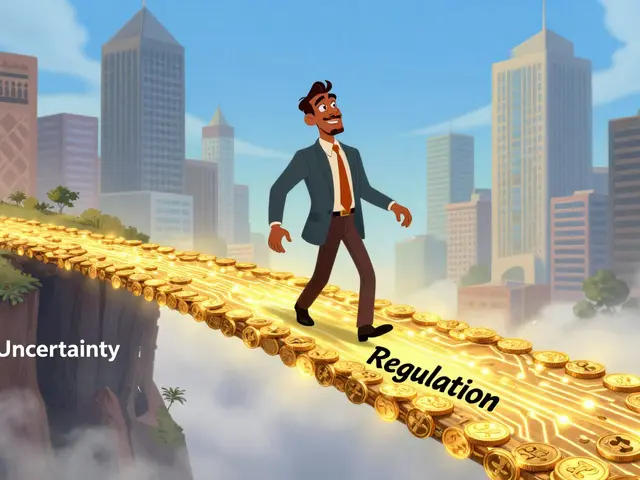
But the risks are real. Smart contract bugs cost players $412 million in 2024 alone. Phishing scams are rampant. Tax laws are messy - in the UK, crypto earnings are taxable as income. And regulators are watching. The US, Canada, and Germany are drafting rules. Other countries are banning it outright.
By 2027, analysts predict only 15-20 platforms will survive. The rest will vanish. The ones that do will be the ones that prioritize fun, fix wallet UX, and build real economies - not token pumps.
Should You Try It?
If you’re curious, start small. Don’t spend money you can’t afford to lose. Pick one game - maybe The Sandbox or Gods Unchained. Set up a wallet. Buy $10 worth of crypto. Play. See how it feels. Don’t chase earnings. Focus on the experience. If you enjoy owning your items, trading them, and being part of a community, you’re already ahead of most players.
If you’re looking to make money? Be realistic. Most people won’t earn enough to live on. A few will. But those who succeed are the ones who treat it like a side hustle - not a lottery ticket.
Decentralized gaming isn’t the future of all games. But it’s the future of player freedom. And that’s worth paying attention to.
Can you really make money playing decentralized games?
Yes, but not for most people. Some players, especially in countries with lower wages, earn $50-$500 a month by playing games like Axie Infinity or The Sandbox. These earnings come from selling tokens or NFTs earned through gameplay. However, 68% of play-to-earn token economies collapse within 18 months. Success depends on choosing stable games with real demand, not just hype.
Do I need to know about crypto to play?
You don’t need to be an expert, but you do need to understand basics: wallets, private keys, gas fees, and how to avoid scams. Setting up a MetaMask or Trust Wallet is the first step. If you don’t know how to recover your wallet if you lose your password, you shouldn’t invest money. Most losses come from user mistakes, not hacks.
Are decentralized games safe?
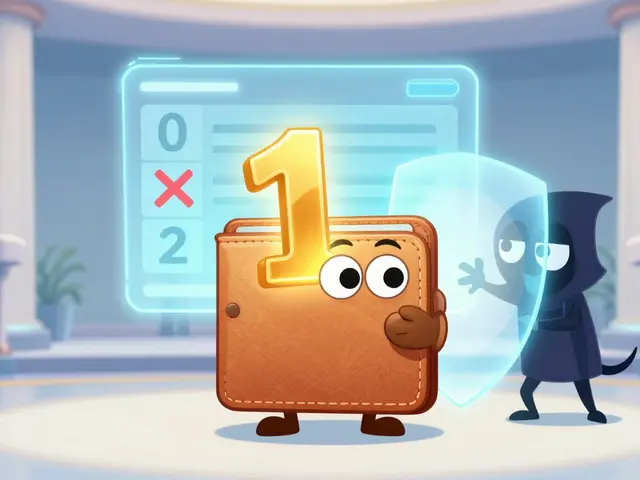
The games themselves can be risky. A 2025 report found 78% of decentralized games have critical smart contract vulnerabilities. Over $412 million was lost to exploits in 2024. Also, phishing scams trick users into giving away wallet keys. Always double-check links. Never share your seed phrase. Use hardware wallets for large holdings. The blockchain is secure - but you’re the weakest link.
What’s the difference between NFT games and regular games?
In regular games, your items exist only inside the game’s server. The company owns them. You can’t sell your Fortnite skin for cash. In NFT games, your items are unique digital assets recorded on a public blockchain. You own them. You can sell them on marketplaces like OpenSea. They can even be used in other games if developers allow it.
Why aren’t big companies like EA or Activision leading this space?
They’re afraid of losing control. If players own their items, they can sell them outside the game - cutting into the company’s revenue. Big studios rely on microtransactions and loot boxes. Decentralized games give power to players, not publishers. Some, like Ubisoft and Square Enix, have tried small experiments, but they’ve failed because players don’t trust them to do it right. The real innovation is coming from smaller teams who built these games from scratch.
Is decentralized gaming legal?
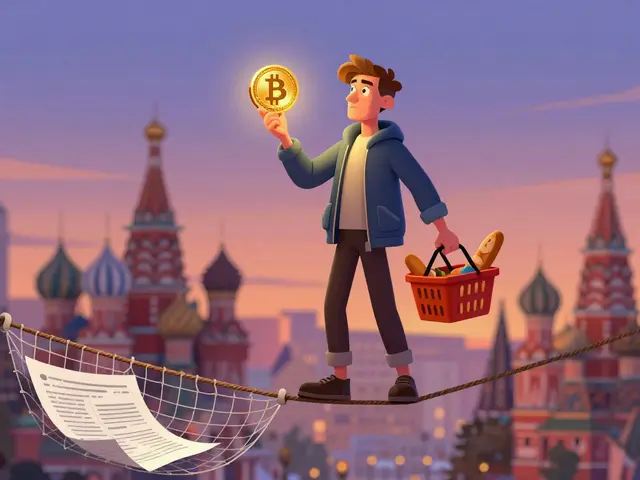
It depends on where you live. In the UK, earnings from NFT games are taxable as income. In the US, the IRS treats crypto rewards as taxable property. 41 countries have issued warnings about risks, and 28 are creating specific rules. Some countries, like China and India, have banned crypto gaming entirely. Always check your local laws before playing or cashing out.

Callan Burdett
This is honestly the most exciting thing to happen to gaming since Steam launched. I bought my first NFT sword last month and traded it for a dragon mount in another game. Feels like I’m actually building something, not just grinding for pixels. 🚀
Anthony Ventresque
I’ve been following this space since CryptoKitties. The real win isn’t the earnings-it’s the ownership. I still have my first Axie from 2021. It’s worth less now, but I keep it because it’s mine. No corporation can take that away.
Stephen Gaskell
This is just crypto gambling dressed up as gaming. You’re not owning anything. You’re just betting on a bubble that will pop. And the fees? Criminal.
Ashlea Zirk
While the theoretical framework of decentralized ownership is compelling, the practical implementation remains fraught with systemic vulnerabilities. The average user lacks the technical literacy to securely manage private keys, and the current infrastructure imposes prohibitive transaction costs. Moreover, the regulatory ambiguity across jurisdictions presents a non-trivial compliance burden that undermines scalability.
Rod Petrik
They’re using blockchain to control us even more. Did you know the government is secretly behind most of these platforms? They want to track every move you make in-game so they can tax your digital life. And those ‘wallets’? They’re just spyware with a fancy UI. 🤫
Bharat Kunduri
bro this is so cool but i tried to connect my wallet and i clicked the wrong button and lost 200$ 😭 why is this so hard
Chidimma Okafor
This is not merely a technological shift-it is a reclamation of agency. In nations where economic opportunity is scarce, these platforms offer not just income, but dignity. To dismiss them as ‘gambling’ is to ignore the lived reality of millions who are turning pixels into sustenance. The future is decentralized, and it is already here.
Vinod Dalavai
I started playing Gods Unchained last year just to chill. Now I’ve got 3 rare cards I trade on the side. Not rich, but I bought my cousin a laptop with the earnings. Easy money? Nah. Fun money? Yeah. 🤝
Tony Loneman
Let me stop you right there. This is the biggest scam since pyramid schemes. The ‘play-to-earn’ model is just a Ponzi wrapped in NFTs. Big players buy up all the assets, hype it, then dump on the suckers who joined late. And don’t even get me started on how these ‘DAOs’ are just CEO-controlled shells. You think you’re voting? Nah. You’re being manipulated.
Katherine Melgarejo
So I spent 3 hours setting up a wallet, paid $12 in gas fees to buy a virtual rock, and now I’m supposed to be excited? Cool. My cat has more utility than this NFT.
Patricia Chakeres
This is a Trojan horse for surveillance capitalism. Blockchain doesn’t give you freedom-it gives you a digital fingerprint that’s permanently recorded. And the ‘ownership’? It’s just a legal fiction enforced by code that can be forked or shut down at any time. The real owners are the miners and the VCs.
Michael Jones
If you’re thinking about trying this, start with a small amount-like $5. Use a hardware wallet. Write down your seed phrase on paper, not digital. And never click links from Reddit. You’re not a crypto expert? Good. That means you’re smart enough to be careful.
Lauren Bontje
America is falling behind because we let this tech get hijacked by crypto bros. China’s building sovereign blockchain games with state backing. Europe’s regulating it into oblivion. And we’re stuck with people trading cartoon cats while our kids get scammed by phishing links. Pathetic.
Telleen Anderson-Lozano
I think there’s a real opportunity here-especially for interoperability. Imagine if your Skyrim armor could be used in a VR concert in The Sandbox. But the UX is still terrible. And the tax implications? Unbelievably messy. I spent 20 hours last year trying to file my crypto gaming income. I’m not even sure I did it right.
CHISOM UCHE
The tokenomics architecture of most Play-to-Earn ecosystems exhibits profound structural fragility due to asymmetric reward distributions and non-sustainable inflationary models. The absence of durable demand-side utility renders these systems inherently deflationary once the speculative cohort exits. This is not innovation-it’s algorithmic rent-seeking.
Liza Tait-Bailey
i tried to play axie and i thought i was just logging in but i approved a transaction and lost $800 😭 i’m so dumb. i think i need to just stick to fortnite
nathan yeung
Honestly? I don’t care if it’s blockchain or not. If the game’s fun and I can trade my stuff, I’m in. I played Gods Unchained for 6 months, made $150, bought a new pair of shoes. That’s all I need to know.