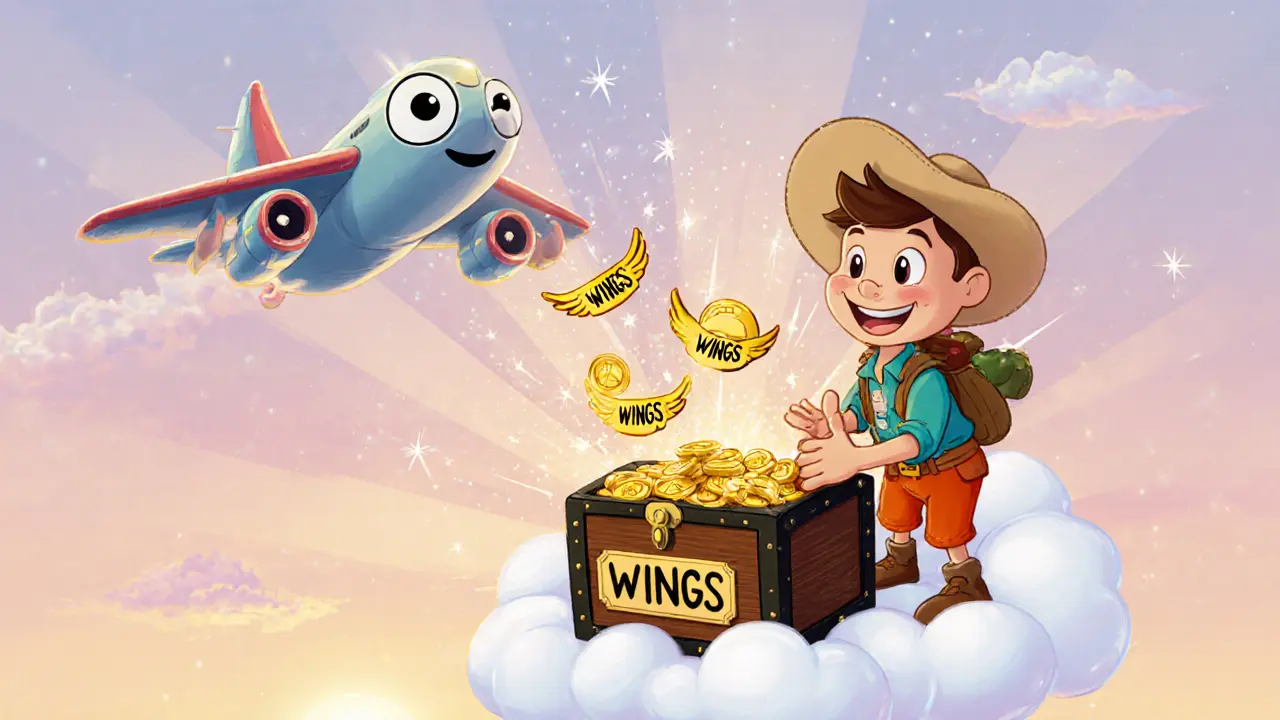
Discover the full details of the WINGS airdrop by JetSwap.finance, how to claim it, token outlook, and practical strategies for holders.
WINGS Airdrop: What It Is, How It Worked, and What to Know
When you hear WINGS airdrop, a token distribution event tied to the decentralized lending platform Wing Finance on the Ethereum network. It was one of the early DeFi projects that rewarded early users with governance tokens for participating in liquidity pools and testing the protocol. Unlike today’s flashy, social-media-driven drops, WINGS was built on real usage—users had to interact with the protocol to qualify. This meant no fake Twitter followers, no bot signups, just actual engagement with smart contracts.
The WINGS token, the native governance token of Wing Finance, used for voting on protocol upgrades and fee adjustments wasn’t handed out randomly. It was distributed based on how much you lent, borrowed, or provided liquidity on the platform before a set snapshot date. If you were active on Wing Finance in 2020, you got a share. If you weren’t, you missed it. That’s why the airdrop claims, the process users followed to receive and claim their WINGS tokens after the snapshot were so straightforward: connect your wallet, check your balance, and claim. No complex tasks, no KYC, no third-party sites—just direct on-chain eligibility.
What made WINGS stand out wasn’t the size of the drop, but how it was structured. It rewarded early adopters who took real risk. Back then, DeFi was still new, and lending platforms like Wing Finance had high gas fees and uncertain security. People who used them weren’t chasing hype—they were experimenting. The WINGS airdrop recognized that. It didn’t just give tokens to anyone who signed up—it gave them to those who actually used the system.
Today, the WINGS token still exists, but its role has changed. The project didn’t explode like some meme coins, but it didn’t vanish either. It kept operating, slowly evolving. Many who claimed WINGS in 2020 still hold it—not because they expected to get rich, but because they believed in the idea of user-owned DeFi. That’s the quiet legacy of this airdrop.
If you’re looking at old airdrops now, WINGS is worth remembering. It’s a case study in how to do it right: fair, transparent, and tied to real behavior. The posts below cover similar drops—some successful, some scams—and show you how to tell the difference. You’ll find guides on how to spot real eligibility, avoid fake claims, and understand what happens after the tokens hit your wallet. No fluff. Just what you need to know before you jump into the next one.