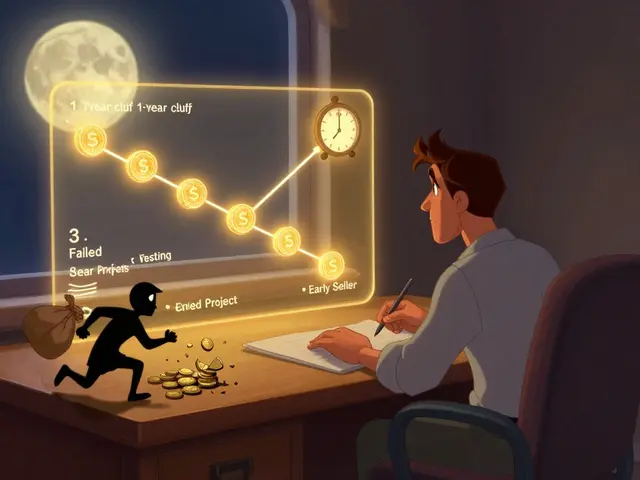
Blockchain ensures AI data integrity by creating tamper-proof records of training data and model updates. Used in healthcare, finance, and regulated industries, it proves data hasn’t been altered-critical for compliance and trust in 2025.
AI Data Provenance: Track Where Your Crypto Data Comes From
When you see an AI tool claim it can predict crypto prices or detect rug pulls, AI data provenance, the system that verifies where data came from and how it was processed. Also known as data lineage, it’s what separates real AI from flashy lies in crypto. Without it, you’re trusting predictions built on fake metrics, scraped tweets, or manipulated on-chain stats. In a space where 90% of new tokens vanish within months, knowing if the data behind an AI model is clean isn’t optional—it’s survival.
AI data provenance works like a digital birth certificate for data. It logs every step: where the data was pulled from (like a blockchain explorer or exchange API), who cleaned it, when it was updated, and how it was transformed before feeding into an algorithm. Projects like Alphakek AI, an AI system trained specifically on uncensored blockchain data use this to avoid training on garbage. If the data came from a fake volume pump on a low-liquidity DEX, the provenance system flags it. That’s why Alphakek’s predictions feel more reliable than most crypto Twitter bots. It’s not magic—it’s traceability.
But this isn’t just for AI tools. blockchain data integrity, the guarantee that on-chain records haven’t been altered matters just as much. Think of the crypto data tracking, the process of following token movements across wallets and exchanges behind airdrops like WMX or VDR. If you can’t prove who actually earned a token reward and who just created 20 fake wallets, the whole system collapses. That’s why exchanges like CoinMarketCap now tie airdrops to verified activity—not just wallet addresses. They’re using data provenance to stop bots and reward real users.
And it’s not just about scams. When you’re using a DeFi calculator to estimate impermanent loss or tracking tax liability on yield farming rewards, the numbers you see are only as good as the data feeding them. If the price feed is outdated or the transaction history is incomplete, your calculations are wrong. That’s where AI data provenance becomes your backup system—it tells you if the data you’re relying on is trustworthy.
What you’ll find below isn’t a list of buzzwords. It’s a collection of real cases where data integrity made or broke a project. From the CHY airdrop that claimed to help the poor but had zero trail of impact, to the WLBO token that automatically rewarded holders with verifiable trade data, you’ll see how data provenance separates the working systems from the hollow ones. You’ll learn how to ask the right questions before you invest—because in crypto, if you can’t trace it, you can’t trust it.