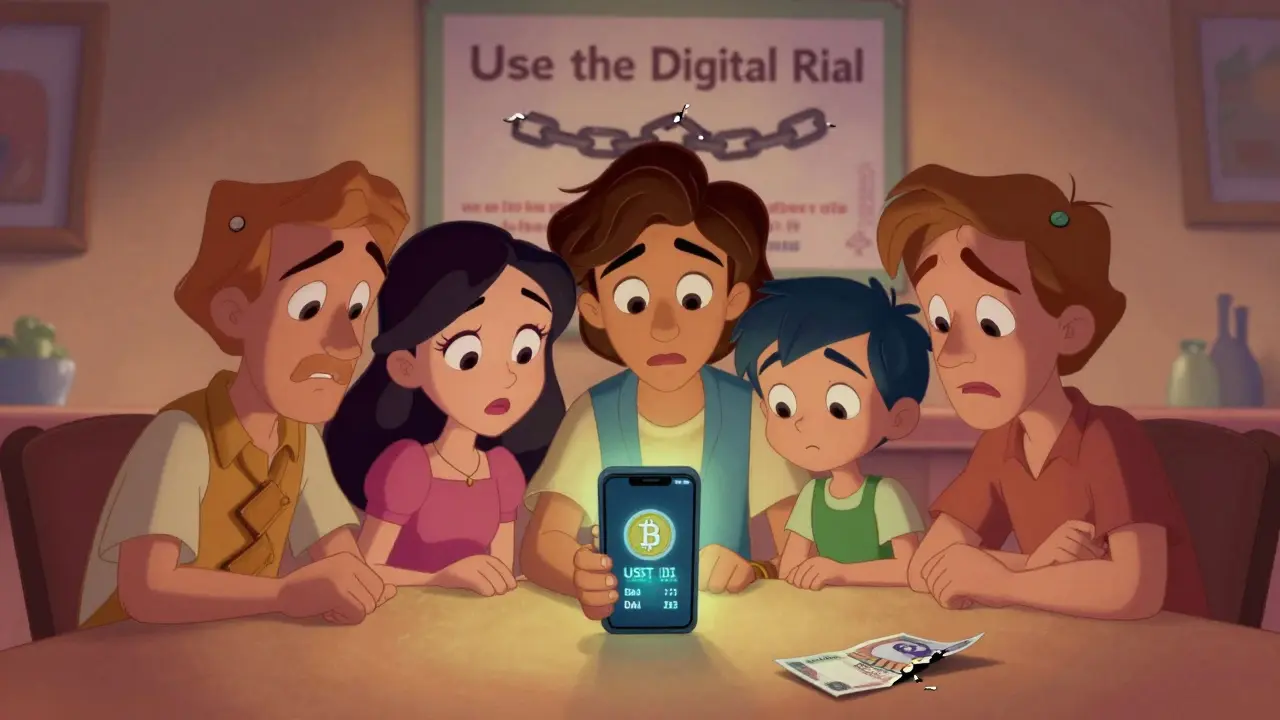
Iranians can’t buy crypto with rials anymore-not legally, at least. Since December 2024, the Central Bank of Iran shut down every domestic exchange’s ability to convert Iranian rials to Bitcoin, Ethereum, or USDT. No bank transfers. No mobile payments. No peer-to-peer platforms operating inside the country. The goal? Stop the rial from collapsing faster. But people still trade crypto. They just have to work around the rules.
Why Did Iran Block Crypto-to-Rial Trading?
The Iranian rial has lost over 90% of its value since 2018. Sanctions cut off oil exports, inflation hit 50% in 2024, and ordinary people watched their savings vanish overnight. Crypto became the only safe escape. Bitcoin and Tether (USDT) turned into digital savings accounts. But the government saw a problem: people were moving money out of the country, bypassing capital controls, and weakening the state’s grip on the economy. So in late 2024, the Central Bank of Iran made a hard move: block all rial-based crypto payments. Exchanges like Nobitex and Bitget Iran had to cut off bank links. You couldn’t deposit rials to buy USDT anymore. The idea was simple: if you can’t turn rials into crypto, you can’t drain the economy.But You Can Still Mine Crypto-Here’s Why
Here’s the twist: Iran still encourages crypto mining. The country is now one of the top five Bitcoin mining nations, producing nearly 4.5% of the world’s hash rate. Why? Because mining uses cheap, government-subsidized electricity. The state profits from it. Miners pay taxes. They sell their Bitcoin overseas. The dollars come back into the system through state-approved channels. It’s a loophole: you can’t trade crypto for rials, but you can mine crypto and sell it abroad for hard currency. The government even built special mining zones in remote areas, where electricity costs less than $0.01 per kWh. But there’s a catch: in 2025, they started limiting how much power miners can use. The grid was overloaded. Cities had blackouts. So now, miners need licenses, and their energy use is monitored. The state doesn’t want you to crash the power system-it just wants your Bitcoin.Stablecoin Limits: $5,000 a Year, $10,000 Max
On September 27, 2025, Iran dropped its most specific rule yet: you can only buy $5,000 worth of stablecoins per year. And your total holdings? No more than $10,000. That’s not a suggestion. It’s a legal cap. If you have $12,000 in USDT, you had one month to sell down to $10,000-or risk losing access to your funds. This targeted stablecoins because they’re the real lifeline. USDT isn’t volatile like Bitcoin. It’s pegged to the dollar. So Iranians use it to protect savings, pay for imports, or send money to family abroad. The Central Bank knew this. So they didn’t ban stablecoins-they just put a leash on them. Tether itself froze over $100 million in Iranian-linked wallets in July 2025. Most of those wallets were tied to Nobitex and accounts linked to the IRGC. That sent shockwaves through the Iranian crypto community. People scrambled to move funds to DAI on Polygon, a cheaper, faster network that Tether couldn’t easily monitor. The shift happened fast. Within weeks, DAI became the new USDT in Iran.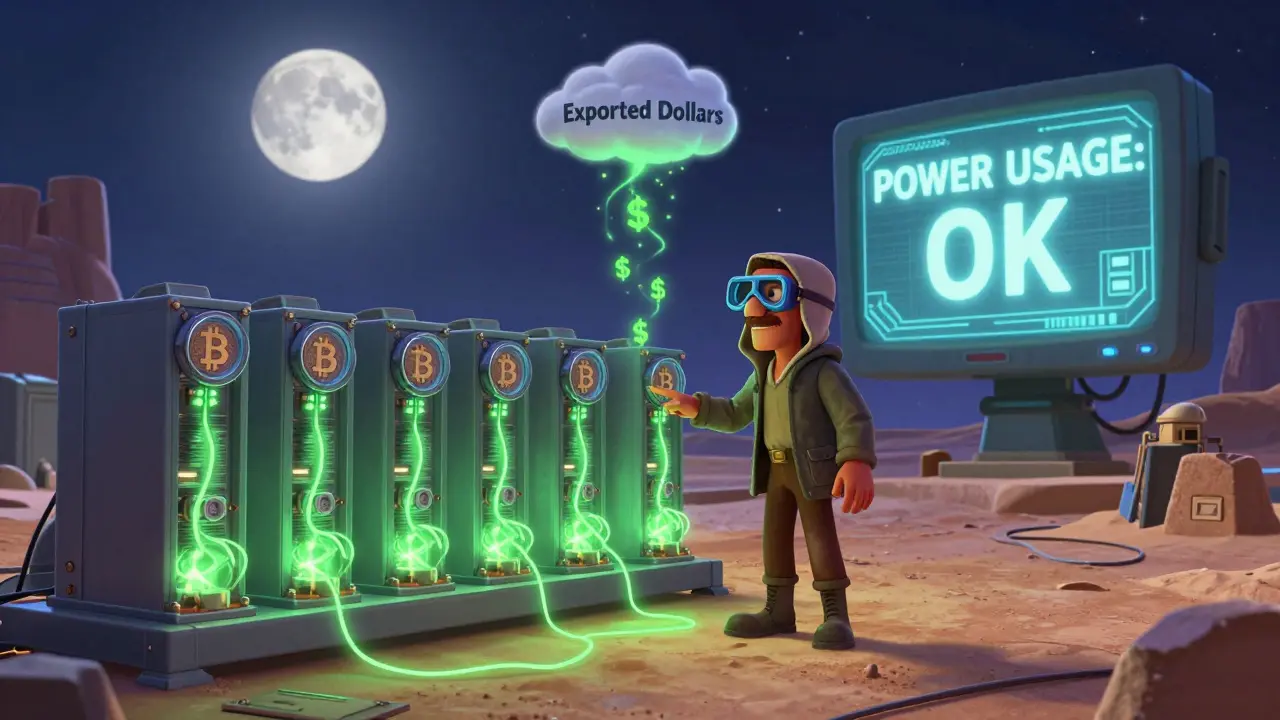
No Ads, No Influencers, No Promotion
In February 2025, Iran banned all crypto advertising. No YouTube videos. No Instagram posts. No billboards. No TikTok tutorials. Even influencers who posted “how to buy Bitcoin” got fined or had their accounts shut down. The government didn’t want people thinking crypto was a good idea. They wanted people to focus on surviving the rial, not chasing digital assets. But the ban didn’t stop trading. It just pushed it underground. People now use Telegram channels, private WhatsApp groups, and encrypted apps to share exchange links. The word “crypto” is avoided. Instead, users say “digital dollars” or “online gold.” It’s not perfect, but it works.Iran’s Own Digital Currency: The Rial Currency
While cracking down on Bitcoin, Iran quietly launched its own digital currency: the Rial Currency. It’s not blockchain-based. It’s not decentralized. It’s just a digital version of the paper rial, controlled entirely by the Central Bank. Think of it like Apple Pay, but for the entire country. A pilot program started on Kish Island, a tax-free zone where tourists and foreign businesses operate. The goal? Reduce reliance on the US dollar. The Rial Currency can’t be mined. You can’t trade it for Bitcoin. It’s only used for domestic payments-like paying for groceries or bus tickets. So far, adoption is slow. People don’t trust it. Why would you use a digital rial when the real rial keeps losing value?
Crypto Is Now Taxable-And Here’s How
In August 2025, Iran passed its first crypto tax law: the Law on Taxation of Speculation and Profiteering. For the first time, profits from crypto trading are taxed like real estate or gold. If you bought USDT for $8,000 and sold it for $12,000, you owe tax on the $4,000 gain. The tax rate? Around 15-20%, depending on income level. The government hasn’t fully rolled out enforcement yet. But exchanges are now required to report transactions to tax authorities. If you’re trading on a licensed platform, they’ll send your data. If you’re trading privately? Good luck hiding it.How Iranians Are Still Trading Crypto in 2026
Despite all the rules, Iranians are still buying and selling crypto. Here’s how:- Border traders: People in border towns like Khoy or Zahedan buy USDT from Iraqi or Turkish traders using cash. No bank accounts needed.
- Foreign exchanges: Iranians use exchanges like Binance or Bybit, but they fund them through third-party payment processors in Turkey, UAE, or Armenia.
- Peer-to-peer cash trades: In Tehran, you’ll find people meeting in coffee shops to swap cash for USDT via mobile wallets.
- DAI on Polygon: After Tether’s freeze, DAI became the preferred stablecoin. It’s cheaper to transfer and harder to block.
What’s Next for Iran’s Crypto Scene?
Iran’s approach is unique. No other country bans domestic crypto trading while actively encouraging mining. But it’s not sustainable. The rial keeps falling. Inflation is still above 40%. People need a way to save. Crypto is the only option left. The government may eventually soften the rules. Maybe they’ll allow small, licensed exchanges to operate with strict KYC. Maybe they’ll let people buy $10,000 in USDT per year instead of $5,000. But for now, the message is clear: you can hold crypto. You can mine it. But you can’t use it to save your rials. The real test? If the rial drops below 500,000 to the dollar, will Iranians still care about the rules? Or will they just keep trading, no matter what?Can I still buy Bitcoin in Iran with my rials?
No. Since December 2024, all Iranian banks and licensed exchanges are blocked from converting rials to cryptocurrency. You can’t deposit rials on any domestic platform to buy Bitcoin, Ethereum, or USDT. The only way to acquire crypto is through foreign exchanges or peer-to-peer cash trades outside the banking system.
What happens if I have more than $10,000 in USDT?
If you held more than $10,000 in stablecoins as of September 2025, you were given one month to reduce your holdings to under that limit. If you didn’t comply, your wallet could be flagged, and future transactions might be blocked. While enforcement on individuals is rare, exchanges and wallet providers are required to report large holdings to the Central Bank.
Is trading crypto illegal in Iran?
Trading crypto itself isn’t illegal, but using Iranian rials to buy or sell it is. You can own Bitcoin, Ethereum, or DAI. You can even mine it. But you can’t legally convert rials into crypto through banks or licensed platforms. Most Iranians trade through foreign exchanges or cash-based peer-to-peer deals, which exist in a legal gray area.
Why does Iran allow crypto mining but ban trading?
Mining brings in hard currency. Miners sell Bitcoin overseas and earn dollars, which the government can tax and control. Trading, on the other hand, lets people move money out of the country and avoid the rial entirely. The state wants the profits from mining, but it doesn’t want people abandoning the rial. It’s a way to benefit from crypto without losing control of the currency.
Can I use DAI instead of USDT in Iran?
Yes, and many Iranians already do. After Tether froze Iranian-linked wallets in July 2025, users migrated to DAI on the Polygon network. DAI is decentralized, cheaper to transfer, and harder for Tether to freeze. It’s now the most popular stablecoin among Iranian traders for daily use and savings.
Is Iran’s digital rial the same as Bitcoin?
No. Iran’s digital rial is a centralized digital currency issued by the Central Bank. It’s tied 1:1 to the paper rial and cannot be mined or traded. Bitcoin is decentralized, limited in supply, and not controlled by any government. The digital rial is designed to replace cash, not compete with crypto.
Are crypto profits taxed in Iran?
Yes. Since August 2025, Iran has taxed crypto gains under its Speculation and Profiteering Law. If you make a profit from trading Bitcoin, USDT, or any other digital asset, you owe tax-usually between 15% and 20%. Licensed exchanges report your transactions, and the tax authority is starting to audit large traders.





Paul Johnson
Iranians are just gambling with their lives using crypto like it's a lottery ticket lmao
Danyelle Ostrye
So the government lets people mine Bitcoin but bans them from buying it with their own money? That’s not control, that’s just greed wrapped in a power suit.
Don Grissett
Why are people even surprised? The state wants crypto profits but not the instability. They’re treating Bitcoin like a cash cow not a currency. Classic authoritarian logic. Also DAI on Polygon is the real MVP here. Tether’s a puppet.
Katrina Recto
Imagine having to hide your savings in digital tokens because your own currency is worthless. This isn’t crypto freedom. This is survival.
Veronica Mead
The Central Bank’s policy is both economically rational and morally indefensible. One cannot simultaneously suppress capital flight and encourage mining without creating a two-tiered financial caste system. This is not innovation-it is institutionalized hypocrisy.
Sherry Giles
USA and Israel are behind this. They want Iran to collapse so they can take over the oil. Crypto is just the distraction. The real war is on the grid. They caused the blackouts. You think the power cuts are accidents? Lol no. This is cyber warfare. DAI? That’s just their Trojan horse.
Andy Schichter
So Iran lets people mine Bitcoin but won’t let them buy coffee with it? What a brilliant economic strategy. Next they’ll tax the air people breathe. At least the miners get to laugh all the way to the bank while the rest of us beg for bread.
Caitlin Colwell
My cousin in Tehran told me they meet in parks now to swap cash for DAI. No phones. No apps. Just handshakes and QR codes. It’s like the wild west but with more chai.
Denise Paiva
Of course they banned ads. They don’t want people to realize crypto is the only thing keeping them from eating dirt. The digital rial? That’s just a prison with a nice UI. You can’t escape a system that owns your digits
Charlotte Parker
So the government wants you to mine Bitcoin but not use it? That’s like letting someone chop wood but forbidding them to build a fire. Brilliant. I’m sure the peasants are thrilled. Also DAI on Polygon? Of course. Because why trust a centralized token when you can trust a decentralized one that’s literally designed to be unseizable? Duh.
Sarbjit Nahl
The real issue is not crypto policy but the failure of fiat. Iran’s digital rial is a monument to central planning. Bitcoin is a protest. Mining is resistance. DAI is the new currency of dignity. The state is not fighting crypto. It is fighting its own irrelevance
Meenakshi Singh
DAI on Polygon 💪🔥 100% the move. Also Tether freezing wallets? That’s not security, that’s a corporate coup. And the $5k cap? Bro that’s like giving someone a $5 coupon for a $500 meal. Pathetic. 😒
Kelley Ramsey
This is actually kind of beautiful? People are creating their own financial system despite everything. DAI, cash trades, Telegram groups… it’s like a grassroots revolution with wallets instead of flags. We should be cheering them on, not judging.
Michael Richardson
Iranians mining Bitcoin while their kids go hungry? Classic. Let them mine. Let them die. The West wins either way.
Sabbra Ziro
It’s heartbreaking but inspiring. People are using tech to survive oppression. DAI isn’t just a token-it’s a lifeline. And the fact that they’ve built this underground economy without any help? That’s human ingenuity at its finest.
Krista Hoefle
DAI on Polygon? Cute. But you still need a way to get dollars out. And the government’s watching. This whole thing is a house of cards made of wishful thinking and bad WiFi.
Natalie Kershaw
Hey everyone-just a quick heads-up: if you’re trading via Telegram or cash meetups, always use multisig wallets and never share your seed phrase. Also, DAI on Polygon is your best friend, but make sure your node is synced. You got this 💪. And if you need help setting up a wallet, DM me-I’ve got templates!