
Imagine finding a new crypto exchange that promises huge returns with zero risk. It sounds too good to be true, right? Well, when it comes to HyperBlast, the answer is a resounding yes. If you are reading this review because you stumbled upon an ad for HyperBlast or received a message from someone claiming they made money there, stop scrolling and read carefully. This platform does not exist in any legitimate regulatory database, and all signs point to it being a sophisticated scam.
In the world of digital assets, trust is everything. You need to know exactly where your money goes and who holds the keys. With HyperBlast, neither of those things is transparent. Instead of offering real trading services, sites like this often use high-pressure tactics to trick users into depositing funds that can never be withdrawn. Let’s break down why you should keep your wallet closed and avoid this platform entirely.
What Is HyperBlast?
First, let’s get one thing straight: HyperBlast is not a recognized financial institution. Unlike major exchanges such as Coinbase, Binance, or Kraken, which operate under strict government regulations, HyperBlast has no verifiable license. A quick search through financial authorities like the UK Financial Conduct Authority (FCA) or the US Securities and Exchange Commission (SEC) yields nothing. Zero results. That silence is deafening.
These types of platforms usually pop up overnight, often promoted by bots on social media or through fake celebrity endorsements. They mimic the look of professional trading apps, complete with sleek dashboards and live charts. But behind the scenes? There is no real market connection. The prices you see are manipulated by the operators to make you think you’re winning, only to freeze your account when you try to cash out.
Red Flags That Signal Danger
You don’t need to be a tech expert to spot a scam. Here are the biggest warning signs associated with HyperBlast and similar fraudulent schemes:
- No Regulatory License: Legitimate exchanges must register with financial bodies. HyperBlast lists none.
- Unrealistic Promises: Claims of guaranteed profits or “AI-driven” wins that beat the market every time are lies. No system works like that.
- Pressure Tactics: Support agents may urge you to deposit more quickly, citing limited-time bonuses or urgent market moves. Real brokers never rush you.
- Vague Ownership: Who runs HyperBlast? Where is their office? These details are missing or fabricated.
- Poor Online Reputation: Search forums like Trustpilot or Reddit, and you’ll find stories of people unable to withdraw their funds.
If even one of these rings true, run. When all five apply, as they do with HyperBlast, it’s not just risky-it’s dangerous.
How the Scam Works
Understanding the mechanics helps you protect yourself. Most crypto scams follow a predictable pattern. First, you sign up using basic info. Then, you’re encouraged to deposit via bank transfer, credit card, or cryptocurrency. Once the money is in, the dashboard shows fake growth. You might see your $100 turn into $500 in minutes. Exciting, right? Not really.
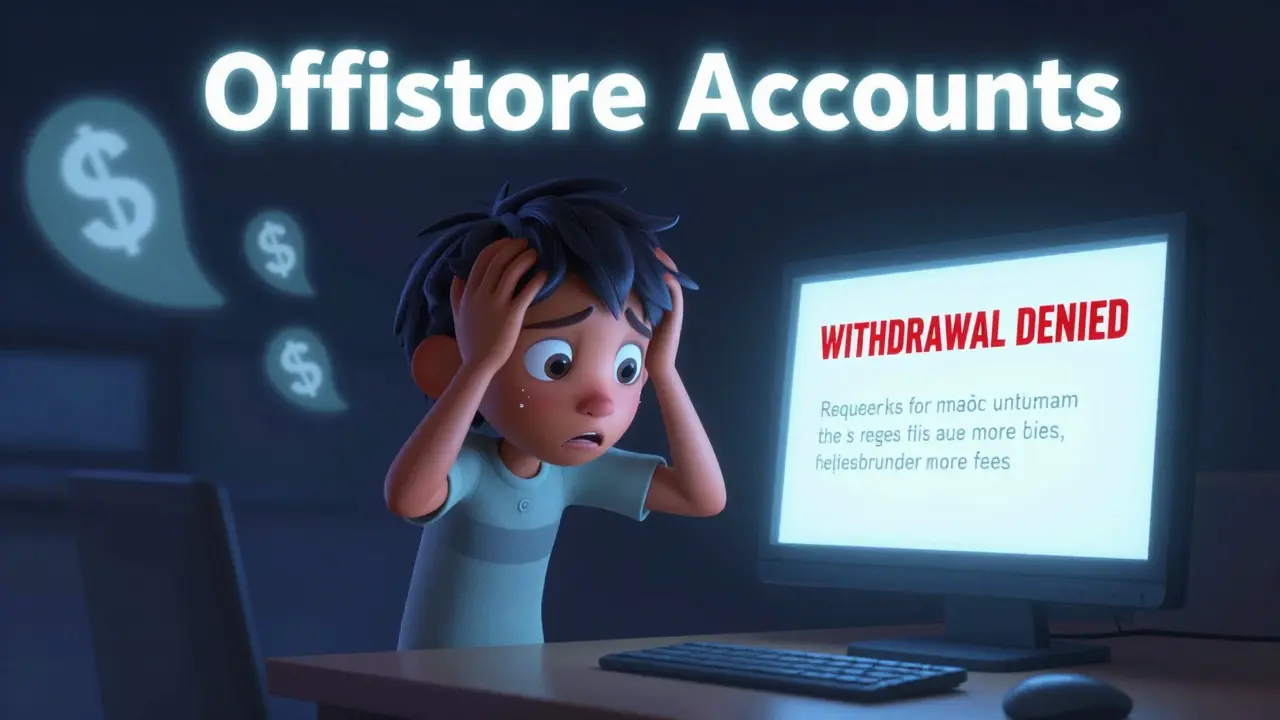
The moment you request a withdrawal, the problems start. Suddenly, you’re told you need to pay a “tax,” a “verification fee,” or a “security deposit.” Pay that, and another fee appears. This cycle continues until you realize you’re throwing good money after bad. In reality, the initial deposit is already gone, transferred to offshore accounts controlled by the scammers.
This isn’t speculation. It’s a documented method used by hundreds of fake platforms globally. Organizations like the Internet Crime Complaint Center (IC3) receive thousands of reports yearly about this exact behavior. Don’t become a statistic.
Safe Alternatives for Trading Crypto
Avoiding scams doesn’t mean avoiding crypto altogether. Digital currencies offer real opportunities if you use trusted platforms. Here are some reputable options that prioritize security and compliance:
| Exchange | Regulation | Security Features | Best For |
|---|---|---|---|
| Coinbase | FCA, SEC | Cold storage, insurance | Beginners |
| Binance | Global licenses | SAFU fund, 2FA | Advanced traders |
| Kraken | Multiple jurisdictions | Proof-of-reserves audits | Privacy-focused users |
| eToro | FCA, CySEC | Social trading tools | Copy trading |
Each of these platforms undergoes regular audits, maintains transparent ownership, and offers customer support that actually resolves issues. They also provide educational resources to help you learn before risking capital. That’s the difference between investing and gambling with scammers.
Protecting Yourself Online
Staying safe in the crypto space requires vigilance. Start by enabling two-factor authentication (2FA) on all accounts. Use hardware wallets like Ledger or Trezor to store large amounts offline. Never share private keys or seed phrases-not even with “support staff.”
Before signing up anywhere, check independent reviews. Look beyond the homepage testimonials; dig into forum discussions and news articles. If a site blocks comments or deletes negative feedback, that’s a red flag. Also, verify domain age. New domains registered recently are more likely to be scams than established ones.
Remember, legitimate businesses don’t hide. They publish terms of service, privacy policies, and contact information clearly. If something feels off, trust your gut. Your financial health depends on it.
What To Do If You’ve Already Deposited
If you’ve sent money to HyperBlast, act fast. Contact your bank or payment provider immediately to dispute the transaction. Credit cards often have fraud protection windows. For cryptocurrency transfers, recovery is harder but not impossible-report the incident to local law enforcement and file a complaint with relevant agencies like the FCA or IC3.
Document everything: screenshots, emails, chat logs. This evidence strengthens your case. While getting funds back is difficult, early action improves your chances. More importantly, warn others. Share your experience online to prevent friends and family from making the same mistake.
Why Scams Keep Emerging
The rise of platforms like HyperBlast reflects broader trends in the industry. As crypto adoption grows, so does interest from bad actors. They exploit excitement around Bitcoin price surges or Ethereum upgrades to lure inexperienced investors. Social media algorithms amplify their reach, showing ads to people searching for easy money.
Education is the best defense. Understand how blockchain works, recognize common phishing techniques, and stay updated on regulatory changes. The more you know, the less vulnerable you become. Ignorance costs far more than curiosity ever will.
Is HyperBlast a legitimate crypto exchange?
No, HyperBlast is not a legitimate exchange. It lacks regulatory approval, has no verifiable company history, and exhibits multiple characteristics of a scam operation.
Can I recover my funds if I deposited into HyperBlast?
Recovery is difficult but possible if you act quickly. Contact your bank to dispute charges, report the fraud to authorities, and gather all documentation related to the transaction.
How can I identify a fake crypto platform?
Look for missing regulatory licenses, unrealistic profit claims, pressure to deposit, vague ownership details, and poor online reputations. Always verify through official sources.
Are there safe alternatives to HyperBlast?
Yes, consider regulated exchanges like Coinbase, Binance, Kraken, or eToro. These platforms offer transparency, security features, and responsive customer support.
Why do crypto scams keep appearing?
Scammers target growing markets with inexperienced users. They use social media, fake endorsements, and psychological manipulation to exploit enthusiasm around rising asset prices.
Stay informed, stay skeptical, and always prioritize safety over speed. Your portfolio deserves better than a gamble with strangers.