Imagine reading a single article and paying exactly what you think it’s worth-maybe five cents. Or watching one video and tipping the creator instantly without waiting months for ad revenue to trickle in. This is the promise of micropayments, defined as tiny online payments, usually less than $1, that allow users to pay for digital goods and services in small amounts. For years, this model was stuck in limbo because traditional banking fees ate up the profit. But blockchain technology is changing the game by making these micro-transactions viable, instant, and transparent.
Why Traditional Payments Fail Micropayments
The biggest hurdle has always been cost. When you buy a $5 eBook using a credit card, the payment processor charges a flat fee plus a percentage. Often, that fee is higher than the transaction itself. For example, centralized exchanges like Coinbase have historically charged around $0.99 for transactions under $10. If you try to sell a piece of content for $0.50, you lose money before you even start.
This economic reality forced creators into two extremes: either bundle content behind expensive subscriptions or rely on advertising models that prioritize engagement over quality. The result? Creators feel undervalued, and audiences get bombarded with intrusive ads. Blockchain aims to break this cycle by removing the middleman who takes the cut.
| Model | Average Fee per Transaction | Payout Speed | User Experience |
|---|---|---|---|
| Credit Card (Stripe/PayPal) | $0.30 + 2.9% | 2-7 days | Familiar but costly for small amounts |
| Traditional Crypto (Bitcoin) | $1-$5+ (variable) | 10 mins - 1 hour | Complex wallet management |
| Blockchain Micropayments | Fraction of a cent | Seconds | Seamless if integrated correctly |
How Blockchain Solves the Fee Problem
Blockchain networks, particularly those designed for high speed and low cost, enable frictionless value transfer, which refers to the ability to send money instantly with negligible fees, bypassing traditional banking intermediaries. By using native tokens on these networks, creators can accept payments as small as fractions of a cent. The network validates the transaction through consensus mechanisms rather than a central bank, drastically reducing overhead.
But it’s not just about cheap transfers. It’s about automation. Smart contracts are self-executing contracts with the terms of the agreement directly written into code, ensuring automatic and fair revenue distribution among all parties. When a user pays for your content, the smart contract automatically splits the revenue. If you collaborated with an editor and a designer, they get their shares instantly. No invoicing, no chasing payments, no disputes.
The Three Pillars of Tokenized Content
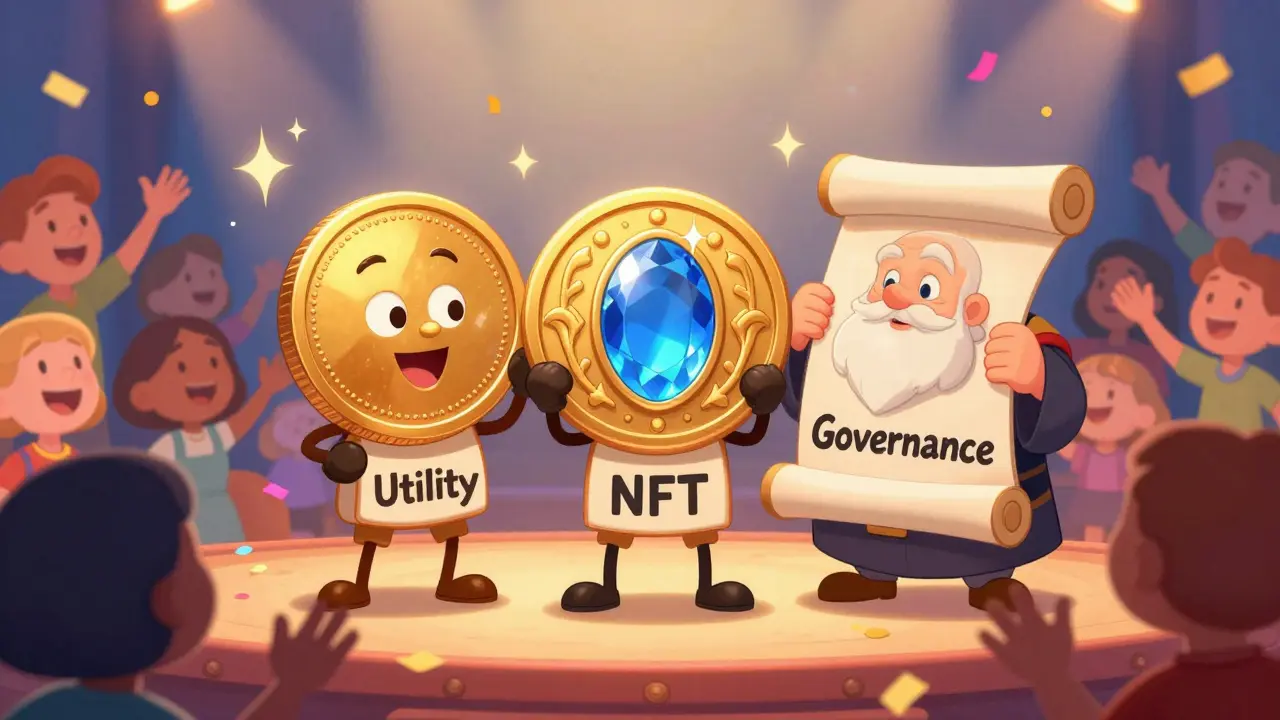
To make this work, you need more than just a currency. You need a system. Most successful blockchain content platforms rely on three types of tokens:
- Fungible Tokens: These act as utility currency. Users buy them to pay for access, tips, or downloads. They are interchangeable, much like dollars or euros, but exist within your specific ecosystem.
- Non-Fungible Tokens (NFTs): These represent unique ownership. An NFT might grant exclusive access to a premium community, verify authenticity of a digital art piece, or serve as a collectible ticket to a live event.
- Governance Tokens: These give holders a voice. Fans who invest in your success can vote on future content topics, platform features, or charity donations. This builds a loyal community that feels invested in your output.
This structure transforms passive readers into active participants. Instead of just consuming content, they become stakeholders in its creation.
Overcoming User Experience Barriers
Here’s the hard truth: most people don’t want to manage private keys. Asking a casual reader to download a wallet, buy crypto, and swap tokens just to read an article is a recipe for failure. The industry is responding with "invisible" blockchain solutions.
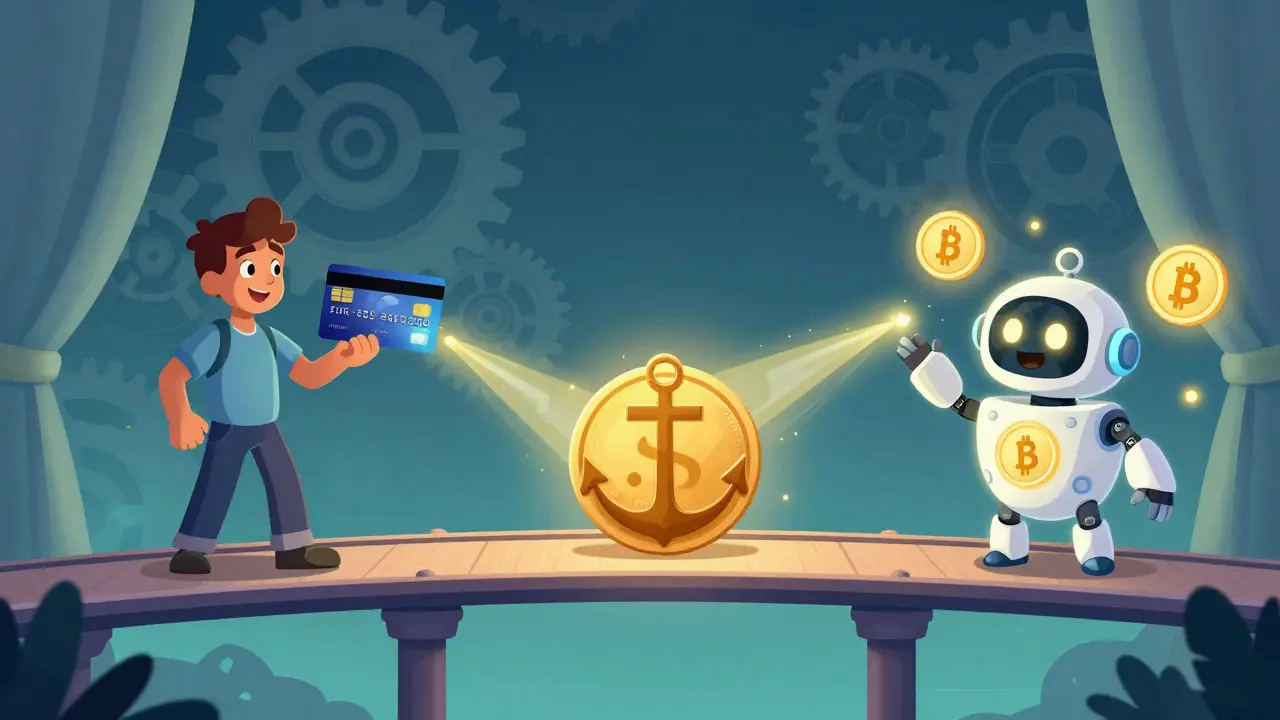
Newer platforms use account abstraction, where users log in with email or social media accounts. The platform handles the wallet backend. When a user clicks "pay," they might use a credit card, and the platform converts it to crypto instantly behind the scenes. This bridges the gap between familiar finance and blockchain efficiency.
However, volatility remains a risk. If you price your article at 0.001 ETH, and ETH drops 10% overnight, your income shrinks. To combat this, many systems now integrate stablecoins-cryptocurrencies pegged to fiat currencies like the US Dollar. This ensures the value of the micropayment remains steady regardless of market swings.
Real-World Applications Beyond Articles
Micropayments aren’t limited to text. Consider these scenarios:
- Music: Listeners pay per stream instead of supporting a few major artists via subscription pools. Independent musicians earn directly from every play.
- Education: Students unlock individual modules of a course rather than buying the entire package. This reduces upfront costs and increases completion rates.
- Gaming: Players purchase micro-items or experiences directly from developers, cutting out app store commissions.
- Live Events: Attendees tip performers in real-time during streams, creating a dynamic revenue stream based on engagement.
Platforms like Patreon and Ko-fi have pioneered the donation model, but blockchain adds transparency and ownership. With tokenized systems, fans can resell their access passes or trade exclusive content, creating secondary markets that benefit the original creator.
Getting Started: A Practical Checklist
If you’re ready to explore blockchain micropayments, start small. Don’t overhaul your entire business model overnight. Follow these steps:
- Choose the Right Network: Look for blockchains with low gas fees and fast confirmation times. Ethereum Layer 2 solutions or dedicated chains like Polygon are good starting points.
- Select a Wallet Provider: Use wallets that support multiple tokens and offer easy integration with web interfaces. MetaMask is popular, but consider custodial options for non-tech-savvy users.
- Implement Smart Contracts: Work with developers to create simple contracts that handle payments and revenue splits. Test thoroughly on testnets before going live.
- Educate Your Audience: Provide clear guides on how to set up wallets and buy tokens. Transparency builds trust.
- Monitor Volatility: Use stablecoins for pricing to protect your income. Convert earnings to fiat regularly if needed.
The transition won’t be seamless, but the long-term benefits-direct fan relationships, automated accounting, and global reach-are worth the effort.
The Future of Content Monetization
We’re still in the early stages. Regulatory clarity is evolving, and user adoption will take time. However, the trajectory is clear. As blockchain infrastructure becomes cheaper and easier to use, micropayments will shift from a niche experiment to a standard tool for creators.
The key is balancing innovation with usability. If the technology gets in the way of the content, it fails. But if it disappears into the background, empowering creators and rewarding audiences fairly, it could redefine how we value digital work.
What are the main barriers to adopting blockchain micropayments?
The primary barriers include complex user experience (managing wallets and keys), cryptocurrency volatility affecting income stability, and residual transaction fees on some networks. Additionally, regulatory uncertainty and lack of familiarity among general users hinder widespread adoption.
How do smart contracts benefit content creators?
Smart contracts automate revenue distribution, ensuring collaborators receive their shares instantly and accurately. They eliminate manual invoicing, reduce administrative overhead, and provide transparent records of all transactions.
Can I use stablecoins for micropayments?
Yes, stablecoins are highly recommended for micropayments. Since they are pegged to fiat currencies like the US Dollar, they offer price stability, protecting both creators and consumers from the volatility associated with cryptocurrencies like Bitcoin or Ethereum.
What types of content are best suited for blockchain micropayments?
Content that is easily divisible and consumed individually works best. This includes articles, blog posts, short videos, podcasts, music tracks, e-books, and modular online courses. Unique digital assets like art also benefit from NFT-based micropayment structures.
How does blockchain improve upon traditional tipping platforms?
Blockchain offers lower transaction fees, instant payouts, and global accessibility without banking restrictions. It also enables additional features like governance tokens and resale markets for digital assets, providing deeper engagement opportunities for fans.