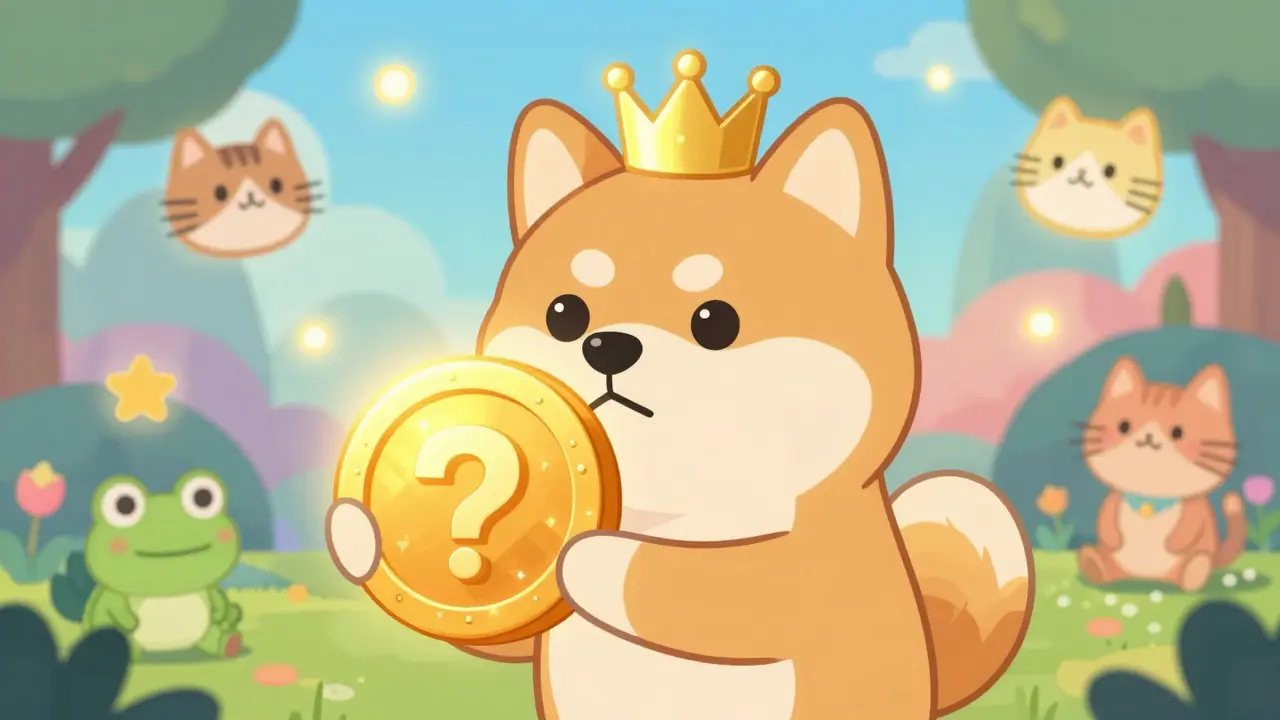
You’ve probably seen the endless stream of new coins popping up on your screen. One day it’s a cat, the next it’s a frog, and now you’re asking about MARVIN a Solana-based meme cryptocurrency launched as a tribute to Elon Musk's dog, also known as Marvin Inu or Elon's Dog. It sounds catchy, right? But before you throw money at any token just because it has a cute name or ties into a celebrity pet, we need to look at what’s actually under the hood.
MARVIN isn’t Bitcoin. It isn’t even close to the big players like Dogecoin or Shiba Inu. It sits in a very specific, very risky corner of the crypto world called "ultra-low-cap meme tokens." If you are wondering whether this is a smart investment or a trap, you aren’t alone. Thousands of retail investors find themselves staring at these tiny market caps every day. Let’s break down exactly what MARVIN is, where it lives, and why you should be extremely careful before buying in.
The Basics: What Is MARVIN?
At its core, MARVIN is a meme coin built on the Solana blockchain a high-performance blockchain platform known for fast transactions and low fees. The project claims to be a tribute to Elon Musk’s dog, aiming to stand out from what it calls "inadequate and unoriginal meme tokens." That’s the marketing pitch. The reality is a bit more complex.
Launched by an anonymous team, MARVIN promises more than just hype. Their website touts ecosystem utilities like a Launchpad, Staking, and Farming features. On paper, that sounds useful. In practice, however, there is no verified technical documentation proving these features exist or work. This is a common pattern in the meme coin space: big promises, little proof.
| Feature | Details |
|---|---|
| Blockchain | Solana |
| Token Name | MARVIN (also known as Marvin Inu) |
| Total Supply | Inconsistent data: 1 Trillion (CoinMarketCap) vs 100 Million (CoinGecko/Bitget) |
| Circulating Supply | Highly disputed; some sources list 0 circulating |
| Contract Address | GpQQj55Sx5JULYrXY3jFyvF595WBh2DM7kjHmETsNXey |
| Primary Use Case | Speculative trading / Meme culture |
The Data Mess: Why Numbers Don't Add Up
If you try to research MARVIN, you will quickly hit a wall of conflicting information. This isn’t just a minor discrepancy; it’s a major red flag. Reliable financial instruments have consistent data across all major platforms. MARVIN does not.
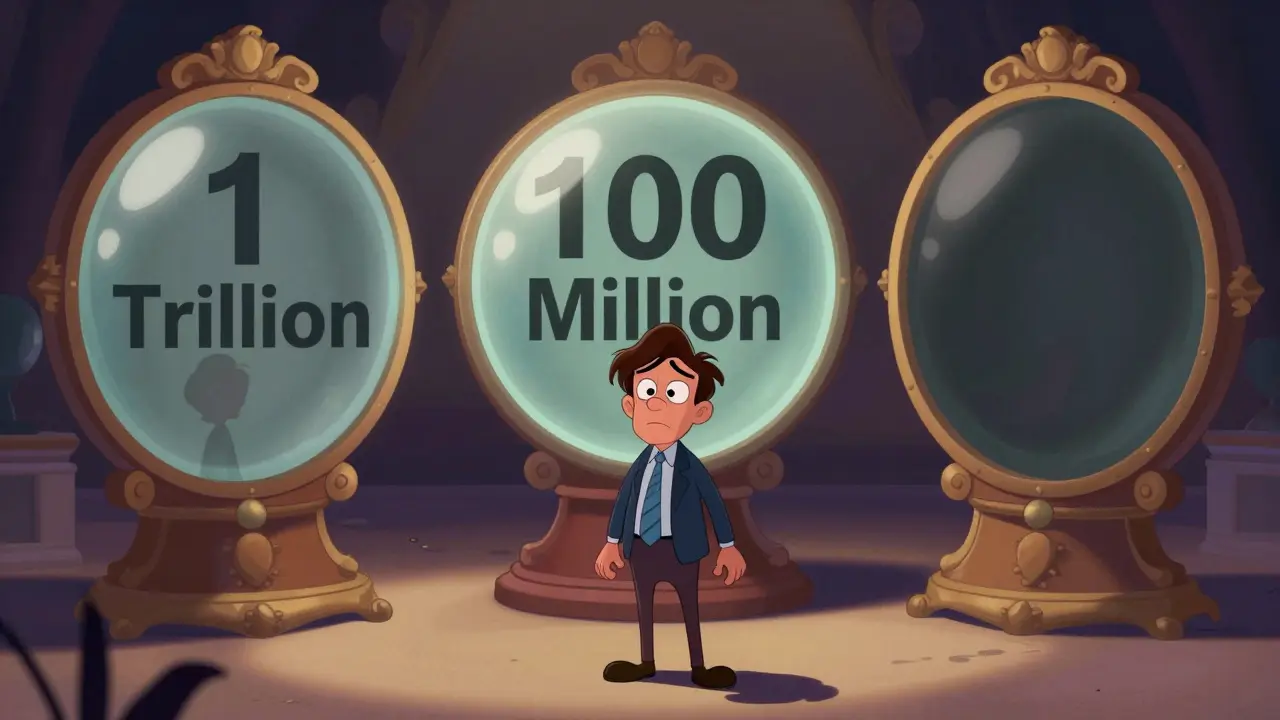
Take the supply numbers, for example. CoinMarketCap a leading cryptocurrency price and volume tracking platform reports a total supply of 1 trillion tokens. Meanwhile, CoinGecko another major cryptocurrency data aggregator and Bitget list a total supply of only 100 million. How can two reputable trackers disagree by a factor of 10,000? Usually, this happens when a project fails to provide clear, audited data during listing, or when the token contract itself is poorly structured.
Then there is the issue of circulating supply. Bitget lists a circulating supply of zero, which makes no sense if people are supposedly holding the coin. CoinMarketCap says there are about 3,000 holders. LiveCoinWatch shows a market cap of $0.0 with a price of $0.000087. These inconsistencies make it nearly impossible to calculate the true value or risk of the asset. When you can’t trust the basic numbers, how can you trust the potential returns?
Market Position: Tiny in a Giant World
Let’s talk size. MARVIN ranks #7063 on CoinMarketCap and #5276 on LiveCoinWatch. To put that in perspective, Bitcoin is usually ranked #1. Even popular meme coins like Dogecoin and Shiba Inu rank in the top 50 globally. MARVIN is nowhere near those giants.
Its market capitalization hovers between $40,000 and $74,000 depending on who you ask. Compare that to Dogecoin’s market cap of roughly $14 billion. MARVIN represents less than 0.0002% of Bitcoin’s value. It is a drop in the ocean. This tiny size means two things:
- Extreme Volatility: A single trade of $1,000 could move the price significantly. This creates wild swings that can wipe out accounts instantly.
- Liquidity Risks: With such a small pool of money behind the token, selling your shares might be difficult. You could see massive slippage, meaning you get much less money than the displayed price suggests.
Most professional analysts ignore tokens with market caps below $10 million. They simply don’t meet the threshold for serious research. MARVIN falls far below that line, leaving you on your own to do due diligence.
The "Elon" Factor and Celebrity Hype
The project leans heavily on its connection to Elon Musk’s dog. This is a classic strategy in the crypto world. We saw it with Doge, and we see it constantly with new "Elon-themed" coins. The idea is simple: if Elon tweets about it, the price goes up. Right?
Here is the hard truth: Elon Musk has never officially endorsed MARVIN. The project uses his dog’s image and name for marketing, but that doesn’t mean he supports it. In fact, many of these tokens are created specifically to ride the coattails of celebrity names without any actual involvement from the celebrity. This is often referred to as "parasitic branding."
When you buy MARVIN, you are betting on the hope that Elon might mention it someday. That is not investing; that is gambling. And unlike a casino, the house here is anonymous developers who may disappear at any moment.
Risks You Need to Know Before Buying
If you are still considering buying MARVIN, you need to understand the specific dangers associated with ultra-low-cap meme coins. These aren’t theoretical risks; they happen daily.
- Scam Potential: Anonymous teams can pull a "rug pull," where they drain the liquidity pool and vanish, leaving the token worthless. There is no legal recourse for you.
- No Utility: Despite claims of staking and farming, there is no evidence these features are live. Without real-world use, the token’s value relies entirely on someone else paying more for it later (the Greater Fool Theory).
- Low Liquidity: As mentioned, with only $2,200 in 24-hour trading volume reported by some sources, getting in and out easily is tough. You might buy in, but find you can’t sell without crashing the price yourself.
- Bot-Inflated Communities: Social media metrics for projects like this are often fake. High follower counts on Twitter (@elonsdogmarvin) don’t equal real engagement. Many accounts are bots designed to create a false sense of popularity.
Is There Any Upside?
Let’s be fair. Some people do make money on these tiny coins. Bitget’s prediction model suggests MARVIN could reach $0.0003872 by 2026, which would be a significant percentage gain from current levels. However, these predictions lack methodological transparency. They are guesses, not facts.
The only "upside" is speculative. If a viral trend hits, or if Elon Musk accidentally mentions the token, the price could spike. But for every person who gets rich quick, thousands lose their entire investment. The average lifespan of a meme coin with a market cap under $100,000 is less than six months, according to analytics firm Santiment. Most die quietly, forgotten by the market.
How to Check MARVIN Yourself
If you want to verify the information yourself, here is what you should do. Never trust a single source.
- Check Multiple Trackers: Look at CoinMarketCap, CoinGecko, and LiveCoinWatch. Note the discrepancies in supply and price.
- Verify the Contract: Use a Solana block explorer to look at the contract address: GpQQj55Sx5JULYrXY3jFyvF595WBh2DM7kjHmETsNXey. Check if the liquidity is locked. If it isn’t, the developers can steal the funds.
- Analyze Social Sentiment: Go to Twitter and Reddit. Are real people discussing it, or is it just bots posting emojis? Look for critical comments, not just praise.
- Review Documentation: Visit marvinelonsdog.com. Does it have a whitepaper? Audit reports? If not, treat it as highly experimental.
Final Thoughts on MARVIN
MARVIN is a high-risk, speculative asset with no proven utility and inconsistent data. It fits the profile of a typical low-cap meme coin: driven by hype, lacking substance, and prone to extreme volatility. While the dream of turning $10 into $1,000 is tempting, the odds are stacked heavily against you.
If you decide to participate, only use money you can afford to lose completely. Treat it like a lottery ticket, not an investment. For most people, sticking to established cryptocurrencies with transparent teams, locked liquidity, and real-world usage is a safer path to building wealth in the digital age.
Is MARVIN coin a scam?
While there is no definitive proof that MARVIN is a scam, it exhibits many characteristics of high-risk projects. These include an anonymous development team, inconsistent data across major trackers, lack of verified utility, and extremely low liquidity. These factors increase the risk of a rug pull or total loss of value.
Where can I buy MARVIN tokens?
MARVIN is primarily available through decentralized exchanges (DEXs) on the Solana blockchain. It is not listed on major centralized exchanges like Binance or Coinbase. You will need a Solana-compatible wallet (like Phantom) and SOL to swap for MARVIN via DEX interfaces.
Why do different sites show different prices for MARVIN?
Due to MARVIN's extremely low trading volume and lack of standardized listing data, different aggregators receive conflicting information from various liquidity pools. Some sources may report stale data, while others may reflect isolated trades. This inconsistency is a sign of poor market structure.
Does Elon Musk support MARVIN?
No. There is no official endorsement from Elon Musk regarding MARVIN. The project uses his dog's name and image for marketing purposes, which is a common tactic in the meme coin sector to attract attention without actual celebrity involvement.
What is the total supply of MARVIN?
The total supply is disputed. CoinMarketCap lists 1 trillion tokens, while CoinGecko and Bitget list 100 million tokens. This massive discrepancy indicates a lack of transparency and accurate reporting from the project team.
Is it safe to invest in low-cap meme coins like MARVIN?
It is generally considered unsafe for long-term investing. Low-cap meme coins are highly volatile, often lack liquidity, and carry a high risk of fraud. Most experts recommend allocating only a tiny fraction of your portfolio-if any-to such speculative assets.
What blockchain is MARVIN built on?
MARVIN is built on the Solana blockchain. This allows for faster transactions and lower fees compared to Ethereum, making it easier for small traders to interact with the token, though it does not mitigate the underlying risks of the project itself.