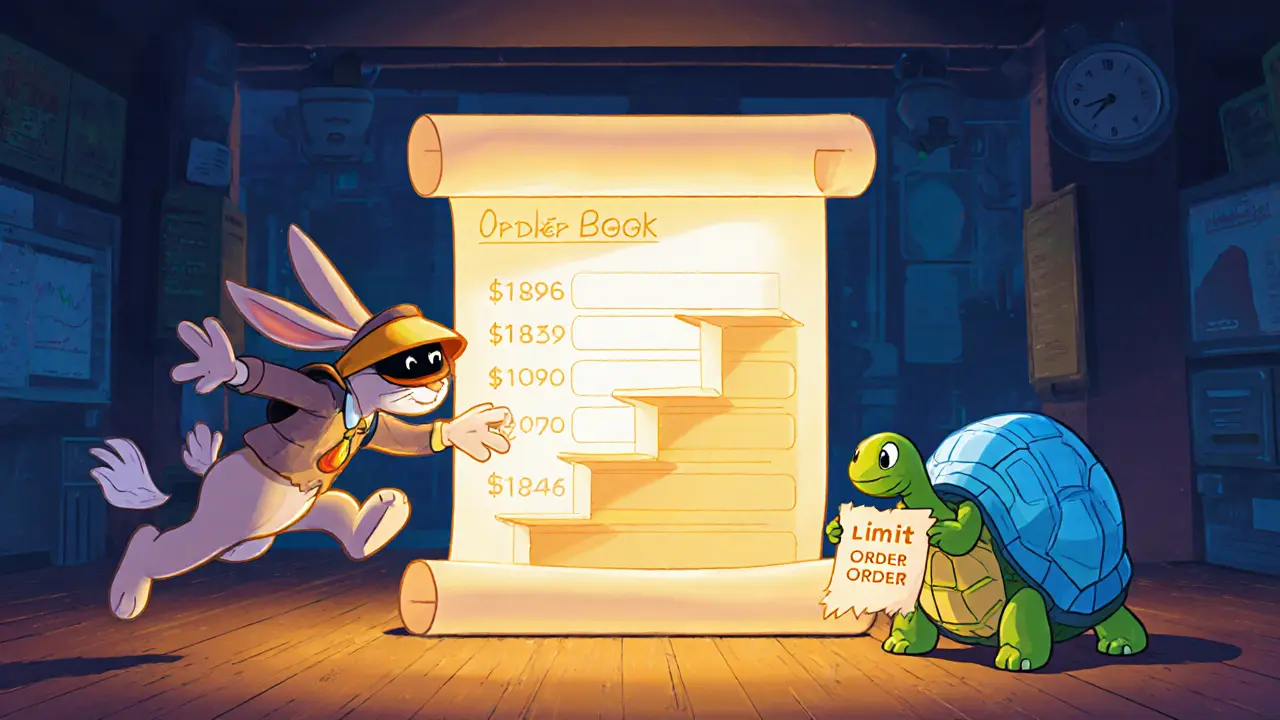
Learn how market orders and limit orders work inside order books, their pros and cons, and when each is best for your trading strategy.
Slippage Explained: Why It Matters in Crypto Trading
When working with Slippage, the gap between the price you expect and the price you actually receive when a trade settles. Also known as price deviation, it can bite traders on fast‑moving markets. Understanding slippage helps you avoid surprise losses and plan more accurate entry and exit points. Slippage encompasses price impact and requires awareness of market depth, so knowing the forces behind it is the first step to control.
Key Factors That Drive Slippage
One of the biggest drivers is Liquidity, the amount of buy and sell orders available at a given price level. When liquidity is thin, even a modest order can shift the price, creating higher slippage. Liquidity influences slippage directly, which is why traders watch order books closely. Another factor is the type of platform you use. A DEX, a decentralized exchange that matches trades on‑chain often has more variable price curves than a centralized exchange, so using a DEX requires awareness of slippage. Finally, trading fees and gas costs add to the effective price you pay, further widening the gap between quoted and executed prices.
Across the articles below you’ll find practical ways to measure slippage, tools that help you set max‑slippage limits, and real‑world examples from token tax guides, exchange restriction updates, and DEX reviews. Whether you’re swapping a low‑cap token on Karura Swap or planning a large move on Uniswap v4, the insights here will let you spot potential price impact early and keep your trades on target. Dive in to see how each piece fits into the bigger picture of smart crypto trading.