
Have you seen the buzz around NFTLaunch (NFTL)? If you are scrolling through Twitter or Telegram groups right now, you have likely encountered claims about massive rewards, whitelist spots, and an upcoming Initial D Offering (IDO). The excitement is real, but so is the noise. In the current crypto landscape of 2026, distinguishing between a legitimate opportunity and a sophisticated scam requires more than just hype-it requires verification.
This guide breaks down everything you need to know about the NFTLaunch ecosystem, how IDO airdrops actually work in today’s market, and the specific steps you must take to secure your allocation without getting burned. We will look at the mechanics of launchpads, the reality of "free" tokens, and the safety protocols that separate professional investors from casual speculators.
What Is NFTLaunch and the NFTL Token?
To understand the airdrop, you first need to understand the platform. NFTLaunch is a decentralized launchpad designed to facilitate Initial D Offerings (IDOs) for new blockchain projects, primarily focusing on integrating Non-Fungible Tokens (NFTs) into the fundraising process. Unlike traditional equity crowdfunding, this operates on-chain, meaning transparency is built into the smart contracts rather than promised by a central company.
The native utility token, often referred to as NFTL, serves several critical functions within this ecosystem. It is not just a speculative asset; it is the key to participation. Typically, holding NFTL allows users to:
- Stake tokens to gain priority access to whitelists.
- Vote on which projects get listed on the platform (governance).
- Receive a share of the transaction fees generated by successful IDOs.
In the context of an airdrop, NFTL acts as the reward mechanism. Projects launching on the platform may distribute their own tokens to early supporters, while the platform itself might distribute NFTL to users who help verify identities or provide liquidity. Understanding this dual-layer incentive structure is vital before you connect your wallet.
How IDO Airdrops Work in 2026
The days of "follow us on Twitter and get free money" are largely behind us. By 2026, the industry has shifted toward merit-based and engagement-weighted distributions. This shift was driven by the saturation of bot accounts during earlier bull runs, forcing platforms like DAO Maker, PancakeSwap, and TrustPad to implement stricter qualification criteria.
An IDO airdrop generally follows one of three models:
- Hold-to-Earn: You must hold a specific amount of the launchpad’s native token (like NFTL) at a set snapshot time. The larger your stake, the higher your tier, and the bigger your allocation.
- Task-Based: You complete specific actions such as joining a Discord, verifying your identity via KYC (Know Your Customer), or interacting with other dApps. Each task adds points to your eligibility score.
- Liquidity Provider Rewards: You provide initial liquidity to the trading pair when the token launches. In return, you receive a percentage of the trading fees or additional tokens over time.
For NFTLaunch specifically, reports suggest a hybrid model. They emphasize "quality participation." This means simply creating a wallet isn't enough. You need to demonstrate that you are a real user interested in the long-term health of the projects they list. This aligns with trends seen in major distributions like those from Initia and Nillion Network, where millions were distributed only to users who showed genuine technical engagement.
Step-by-Step: How to Participate Safely
If you are serious about claiming your share of the NFTLaunch airdrop, follow this structured approach. Skipping steps here is the most common way people lose funds to phishing sites or miss out due to technical errors.
1. Verify the Official Channels
Before you click any link, go directly to the official website. Do not trust links from random tweets or DMs. Look for the verified badge on social media platforms. Check if the project has a presence on CoinGecko or CoinMarketCap. If the token is not tracked there, proceed with extreme caution. Scammers often clone legitimate websites with slight URL variations (e.g., nftlaunch.io vs nft-launch.com).
2. Set Up a Dedicated Wallet
Never use your main savings wallet for airdrops. Use a burner wallet or a secondary hardware wallet. Connect this wallet to the NFTLaunch dashboard. Ensure you have sufficient gas fees (ETH, BNB, or SOL depending on the chain they operate on) to execute transactions. If the platform supports multiple chains, make sure your wallet is configured for the correct network.
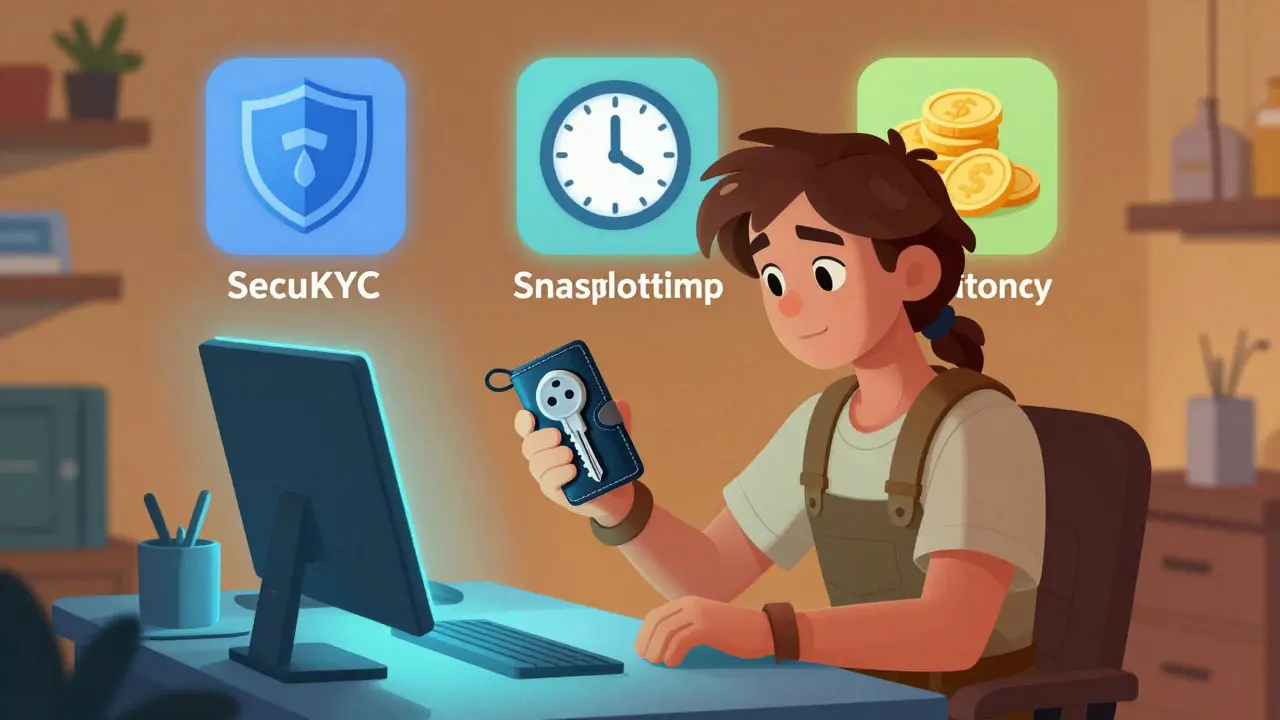
3. Complete KYC and Whitelist Registration
Most reputable launchpads now require KYC to prevent sybil attacks (where one person creates hundreds of wallets to farm rewards). Upload your ID documents securely. Once verified, apply for the whitelist. Whitelist status usually guarantees you a minimum allocation, protecting you from being priced out by whales.
4. Stake NFTL Tokens (If Required)
If the airdrop terms require staking, lock up your NFTL tokens in the platform’s vault. Note the lock-up period. Some platforms allow unstaking after the claim date, while others require longer commitments. Calculate the opportunity cost-is tying up your capital worth the potential airdrop value?
5. Monitor Snapshot Times
Airdrops are based on snapshots taken at specific block numbers or timestamps. Miss the snapshot, and you get nothing. Set calendar reminders. Keep an eye on the official Discord announcements for any last-minute changes to the schedule.
Red Flags: Avoiding Airdrop Scams
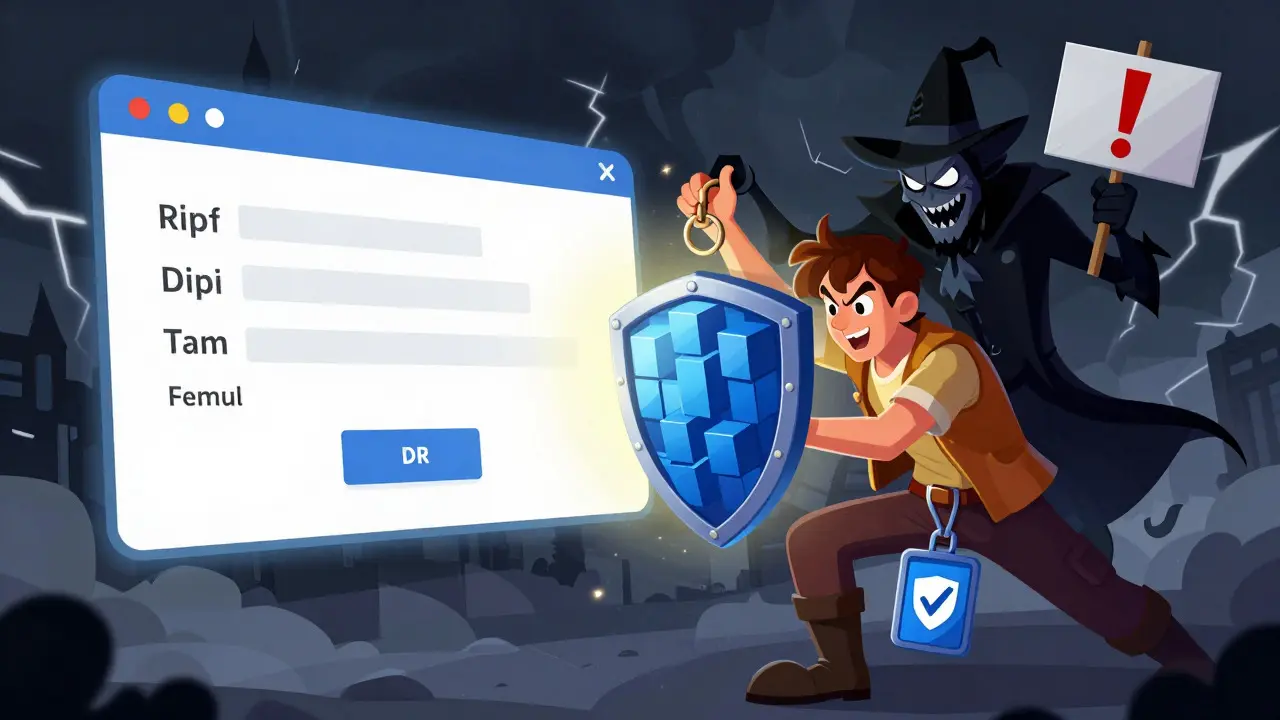
The crypto space is rife with deception. Here are the specific red flags to watch for regarding NFTLaunch and similar projects:
- Requests for Private Keys: No legitimate platform will ever ask for your private key or seed phrase. If a site asks for this, disconnect immediately.
- Unverified Smart Contracts: Check if the contract address is verified on explorers like Etherscan or BscScan. Unverified code can hide malicious functions that drain your wallet.
- Pressure Tactics: Phrases like "Claim in the next hour or lose forever" are psychological triggers used by scammers to bypass your critical thinking. Legitimate airdrops usually have windows of days or weeks.
- Too Good To Be True: If an airdrop promises thousands of dollars for minimal effort, it is likely a honeypot. Real value comes from real contribution.
Comparison: NFTLaunch vs. Other Major Launchpads
| Platform | Native Token | Primary Chain | KYC Requirement | Avg. ROI Potential |
|---|---|---|---|---|
| NFTLaunch | NFTL | Multi-chain (EVM/Solana) | Yes (Tiered) | High (Early Stage) |
| DAO Maker | DAO | Ethereum/BSC | Yes | Medium-High |
| PancakeSwap | CAKE | BSC | No (Syrup Pools) | Low-Medium |
| TrustPad | TPT | BSC/Polygon | Yes | Medium |
As shown in the table, NFTLaunch positions itself in the high-risk, high-reward category typical of newer entrants. Established players like DAO Maker offer more stability but often have lower upside due to mature valuations. PancakeSwap offers accessibility without strict KYC for some pools, but allocations are highly competitive. Your choice depends on your risk tolerance and willingness to undergo identity verification.
Tokenomics and Distribution Strategy
Understanding the tokenomics is crucial for long-term value assessment. While exact figures for NFTL should be verified in their latest whitepaper, standard structures for 2026 launchpads typically allocate:
- 20-30%: Community Airdrops and Liquidity Mining.
- 15-20%: Team and Advisors (vested over 2-4 years).
- 10-15%: Development Fund.
- 10-20%: Public Sales (IDO/Private Rounds).
Look for vesting schedules. If the team holds a large percentage of tokens with no vesting, they could dump their holdings immediately after launch, crashing the price. Reputable projects ensure team tokens are locked for at least 12 months. This alignment of incentives ensures the team is motivated to build a sustainable platform rather than a quick cash-out scheme.
Strategic Tips for Maximizing Airdrop Value
Participating is step one. Maximizing value is step two. Here are advanced strategies used by seasoned crypto investors:
Diversify Your Exposure: Don’t put all your capital into one launchpad. Spread your stakes across NFTLaunch, Polkastarter, and Speedify. This mitigates the risk of a single project failing.
Engage Early: Join the Discord and Telegram channels weeks before the announcement. Active contributors often receive bonus multipliers or direct invitations to exclusive tiers. Build relationships with community managers.
Plan Your Exit: Decide your exit strategy before you even claim the tokens. Will you sell 50% immediately to recoup your investment? Will you hold for a year? Emotional decision-making during volatile post-IDO price swings is the biggest profit killer.
Frequently Asked Questions
Is the NFTLaunch (NFTL) airdrop free?
Technically, the distribution of tokens is free, but participation usually requires costs. You will need to pay gas fees for transactions, potentially purchase NFTL tokens to stake for whitelist access, and possibly pay for KYC verification services. Treat these as investment costs rather than free money.
Which blockchain does NFTLaunch operate on?
NFTLaunch is designed to be multi-chain compatible. It primarily supports Ethereum Virtual Machine (EVM) chains like Binance Smart Chain (BSC) and Polygon, as well as Solana. Always check the specific project page to see which network the IDO is hosted on, as this determines which gas token you need.
How do I verify if the NFTLaunch website is legitimate?
Cross-reference the URL with links provided in their official, verified Twitter account or Discord server. Check for SSL certificates (HTTPS). Use tools like VirusTotal to scan the website URL. Additionally, look for audits from reputable firms like CertiK or Hacken, which are often displayed on the homepage.
What happens if I miss the whitelist deadline?
If you miss the whitelist, you may still be able to participate in the public sale phase, but allocations are typically much smaller and subject to higher competition. In many cases, missing the whitelist means you have to buy the token on the open market after listing, often at a higher price than the IDO price.
Do I need to complete KYC for the NFTL airdrop?
Yes, most modern launchpads including NFTLaunch require Know Your Customer (KYC) verification to prevent bot farms and comply with regulatory standards. This involves submitting government-issued ID and proof of address. Without KYC, your claimed tokens may be frozen or rejected.
When can I trade my NFTL tokens after the IDO?
Trading availability depends on the vesting schedule. Often, a portion of tokens is unlocked immediately upon listing on exchanges like PancakeSwap or Uniswap. However, significant portions held by teams or advisors may be locked for 6 to 18 months. Check the specific tokenomics chart for the unlock dates.
What is the difference between an IDO and an ICO?
An ICO (Initial Coin Offering) is a centralized fundraising method where investors send funds to a company's wallet. An IDO (Initial DEX Offering) takes place on a decentralized exchange or launchpad. IDOs are generally considered safer because funds are held in smart contracts, reducing the risk of rug pulls, and listings happen instantly on decentralized markets.



Nick Darring
Look, I know everyone is losing their minds over this NFTLaunch thing and the promise of free tokens, but have we collectively forgotten how to think critically about anything that involves a blockchain and a shiny new acronym? It is absolutely fascinating how quickly the crypto community pivots from one hype cycle to the next without ever actually learning from the rug pulls of 2022 or the LUNA collapse. You read through this guide and it sounds so professional, with all its talk of merit-based distributions and KYC requirements, but let's be real for a second here because the truth is often much simpler and uglier than what these whitepapers suggest. Most of these IDOs are just sophisticated ways for insiders to dump bags on retail investors who are too busy chasing airdrop points to notice the tokenomics are rigged against them from day one. The idea that holding a token gives you governance rights is cute, sure, but when has governance actually stopped a team from pulling a fast one or changing the rules mid-game? I remember back in the early days when people thought DAOs would solve everything, and now we just have more complex ways to get exploited by smart contract vulnerabilities or simple human greed. So while you are out there staking your NFTL tokens and hoping for the best, maybe take a step back and ask yourself why you need this specific project to make you feel like you are part of the future of finance. It is not that being skeptical makes you a contrarian for no reason, it is just that the pattern repeats itself so often that ignoring it feels like willful blindness at this point.
Eden Tadesse
i totally agree with nick above honestly its so easy to get swept up in the hype but i always try to keep my boundaries clear when it comes to sharing personal info online even if they say its secure kycc is scary sometimes
Matt Kay
scam. dont bother.
Prudence Flemming
the concept of value in digital scarcity is inherently flawed yet we chase it anyway perhaps the true utility is the social consensus we build around these arbitrary tokens rather than any intrinsic worth they might possess which is to say none really matter except as mirrors of our own desperation for validation in a decentralized void where identity is both protected and exposed simultaneously
Dave Kjendal
listen up folks the game is rigged unless you understand the basic mechanics of liquidity provision and vesting schedules most of you are just lemmings jumping off cliffs thinking they can fly because someone told you the wind was right check the contract address before you connect your wallet or you will end up with nothing but regret and a drained balance sheet
Aryan MISHRA
The technical architecture of multi-chain interoperability is often overstated in marketing materials; however, the implementation of EVM compatibility alongside Solana support suggests a robust underlying infrastructure designed to mitigate single-point-of-failure risks associated with monolithic chain dependencies. Furthermore, the requirement for tiered KYC is not merely bureaucratic friction but a necessary evil in the current regulatory landscape to prevent Sybil attacks which have historically plagued fair launch mechanisms thereby ensuring that the distribution of NFTL tokens aligns more closely with genuine user engagement rather than bot-driven manipulation. Investors must scrutinize the audit reports from firms like CertiK to verify that the smart contracts governing the staking vaults do not contain hidden functions that could allow administrators to mint infinite supply or alter lock-up periods post-deployment.
Ryan Robinson
i mean it seems pretty legit to me i did the kyc and got whitelisted so far so good lets hope the price goes up soon cause i need some cash lol
Earl Kott65
Oh wow, Ryan, you really are living on the edge aren't you? 😂 Connecting your main wallet to a brand new launchpad is basically financial suicide, buddy! 🤡 But hey, if you want to play Russian roulette with your savings, who am I to judge? Just don't come crying to me when the devs pull the plug and leave you holding the bag of worthless pixels! 📉💀 Stay safe out there, or don't, it's your funeral! 🔥
Ethan Yuwono
it is interesting how fear drives so many decisions in this space yet also how hope keeps us coming back perhaps the middle path is simply to allocate only what you can afford to lose and treat it as tuition for learning about blockchain technology rather than a lottery ticket to early retirement
Jack Delasquez
lets goooooo nftl to the moon guys i already bought some and staked em all in so ready for that massive gains moment lets do this together fam
Harman Singh
why is everyone so excited i feel like im missing something big here please explain why i should care about this token instead of just waiting for the next big thing that will probably scam me anyway life is hard enough without trying to figure out crypto
Qolbina Islami
This entire narrative is dominated by Western-centric platforms that ignore the realities of emerging markets!!! We need solutions that work for everyone, not just those with high-speed internet and expensive hardware wallets!!! The fees alone are prohibitive for the average person in developing nations!!! Stop pretending this is democratized finance when it is clearly elitist garbage designed to enrich the few at the expense of the many!!!
SUBHAM CHOUDHURY
just take it easy and follow the steps carefully there is no rush in this game patience is key so make sure you verify everything twice and triple check your wallet connections before sending any funds good luck to everyone participating