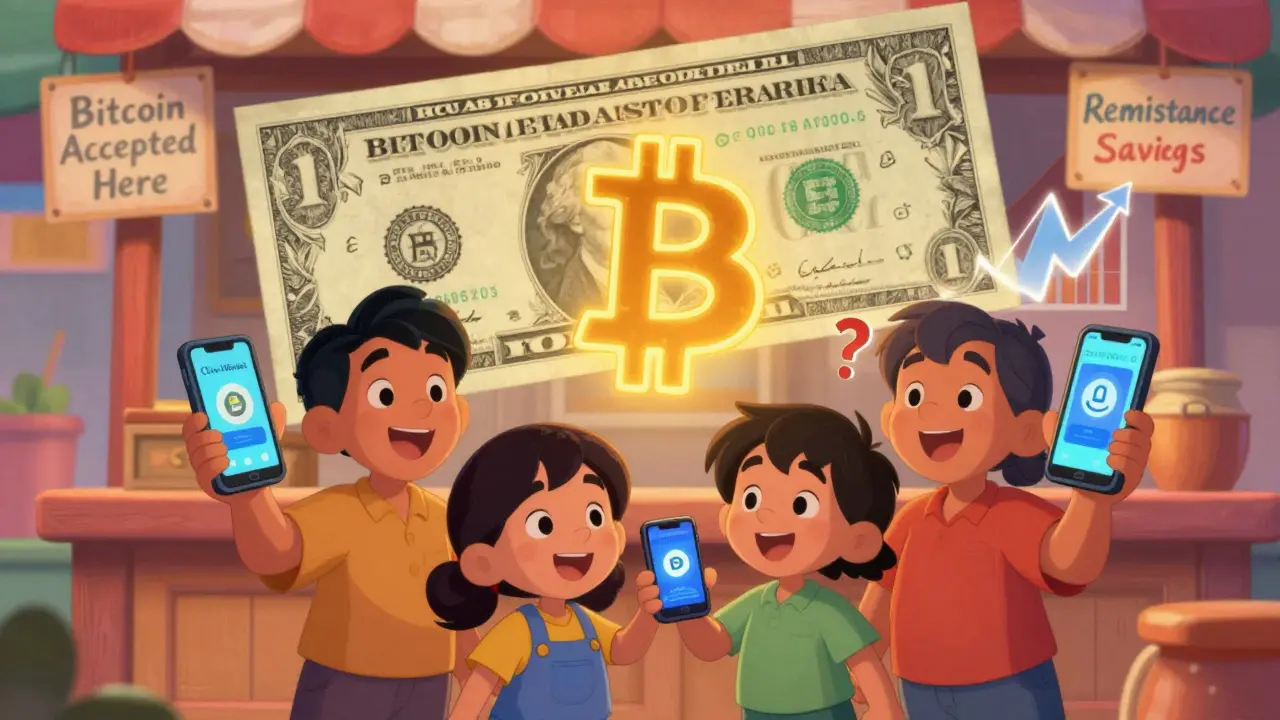
On September 7, 2021, El Salvador did something no other country had ever done: it made Bitcoin legal tender alongside the U.S. dollar. The move was bold, flashy, and instantly global news. President Nayib Bukele promised it would fix broken finances, cut remittance fees, and bring the unbanked into the modern economy. But nearly five years later, the reality is far more complicated - and far less successful - than the hype suggested.
Why Bitcoin? The Problem El Salvador Wanted to Solve
El Salvador’s economy has long been stuck. With a GDP of just $27 billion, the country relies heavily on money sent home by Salvadorans living abroad - mostly in the U.S. These remittances make up over 20% of the entire national income. Sending that money through Western Union or banks used to cost 10% or more. For families living paycheck to paycheck, that’s a huge cut. Then there’s the banking problem. More than 70% of adults didn’t have bank accounts. They didn’t trust the system, couldn’t afford minimum balances, or lived too far from branches. The government said Bitcoin could fix both issues at once: cheaper, faster remittances, and financial access for everyone with a smartphone. So they passed the Bitcoin Law. It said businesses had to accept Bitcoin as payment. Taxes could be paid in Bitcoin. Debts could be settled in Bitcoin. And the government would give you free Bitcoin just for downloading their app, Chivo Wallet.The Plan: Free Bitcoin, Discounted Gas, and a Digital Revolution
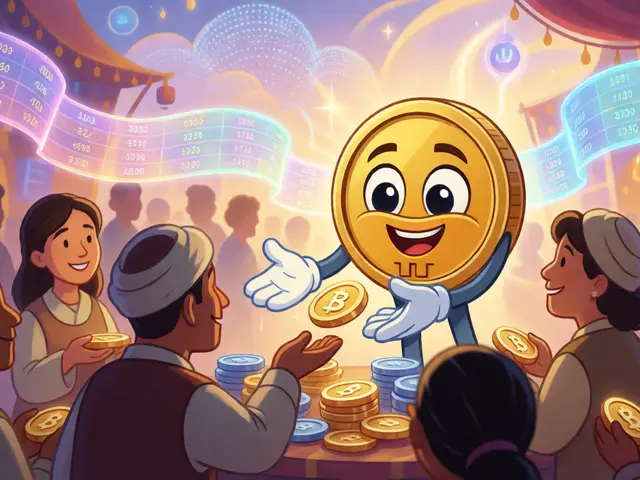
The rollout was theatrical. The government dropped $150 million into Bitcoin reserves. They gave every Salvadoran who downloaded the Chivo app $30 in Bitcoin. Gas stations offered discounts if you paid with Bitcoin. Restaurants put up signs saying “Bitcoin Accepted Here.” At first, people downloaded the app. Over half the population tried it. But then, something strange happened: they stopped using it. A 2023 study of 1,800 households found that more than 60% of those who got the free Bitcoin never made a single transaction after spending their bonus. One in five still hadn’t touched their original $30. The people who actually used Bitcoin regularly? Young, urban, educated men - the exact opposite of the unbanked population the program was meant to help. Why? Because Bitcoin isn’t easy. It’s not like cash. You need a phone with internet. You need to understand wallets, private keys, and exchange rates. You need to trust that the value won’t drop 20% before you spend it. For many Salvadorans, especially older people in rural areas, that was too much.The Tech Didn’t Work - And Neither Did the Trust
The Chivo app was buggy at launch. Transactions failed. Wallets got locked. People lost money. The government promised instant conversions between Bitcoin and dollars, but the system often lagged or crashed. Small business owners didn’t want to risk holding Bitcoin because its price swung wildly - sometimes by 15% in a single day. And then there was the bigger issue: no one knew who was really managing the Bitcoin reserves. The government claimed they were buying low and holding for long-term gains. But no one could see the transactions. No audits. No transparency. That scared off investors and confused citizens alike. Even the free Bitcoin didn’t work as intended. People didn’t spend it to buy groceries. They cashed it out for dollars as soon as they could. The app became a way to get free cash, not a tool for daily payments.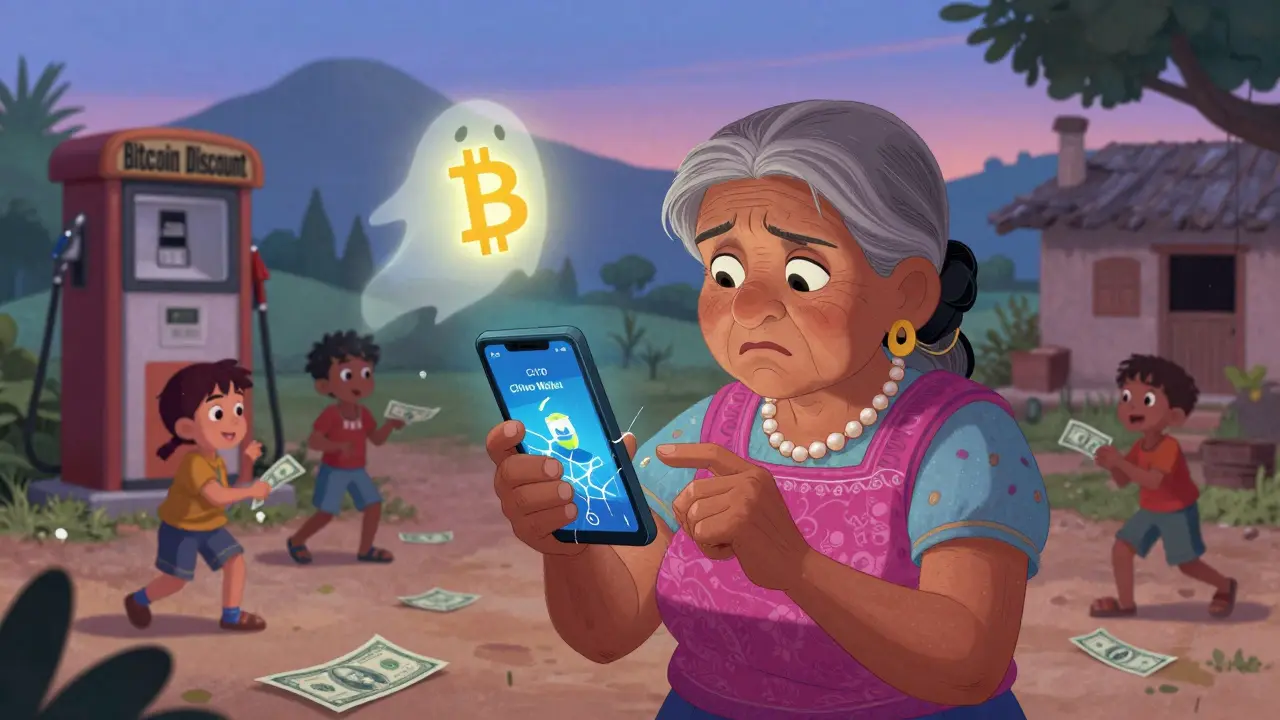
The IMF Steps In - And the Dream Gets Real
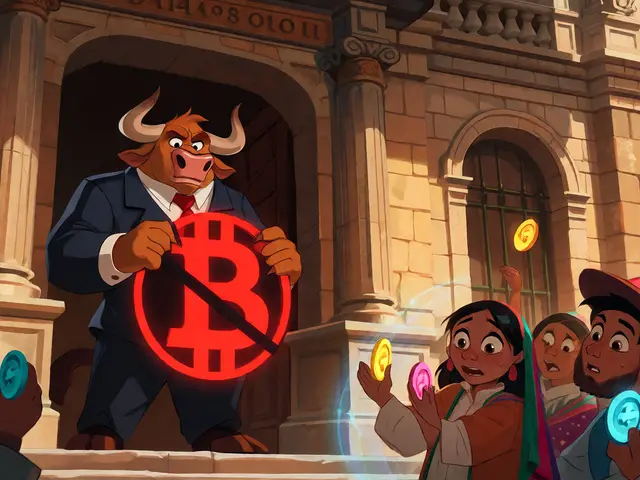
By 2024, the cracks were too big to ignore. El Salvador’s debt was rising. Inflation was creeping up. International investors were nervous. The country needed a $1.4 billion loan from the International Monetary Fund (IMF) to stay afloat. The IMF said yes - but only if El Salvador scaled back its Bitcoin experiment. The deal required the government to stop using Bitcoin as a reserve asset, limit Bitcoin purchases, and improve financial transparency. In short: the world’s first Bitcoin nation had to admit it couldn’t run a currency like a tech startup. This wasn’t a surrender. It was a retreat. El Salvador still says Bitcoin is legal tender. But now, the government barely uses it. The Chivo app still exists, but it’s mostly a relic. No new incentives. No new promotions. The big push is over.What Actually Changed?
Did Bitcoin make remittances cheaper? A little - but not because of Bitcoin. Most remittances now go through apps like Wise or PayPal, which are faster and cheaper than traditional banks - and don’t require you to hold volatile crypto. Did it bring the unbanked into the financial system? Not really. The number of Salvadorans with bank accounts barely moved. The real financial inclusion came from mobile payment apps like TransferWise and Remitly - not Bitcoin wallets. Did it attract foreign investment? Not even close. Companies didn’t flock to El Salvador to build Bitcoin businesses. They stayed away because of the instability, the lack of clear rules, and the political risk. The only thing that really changed? El Salvador now has a $1.4 billion debt to the IMF - and a reputation as a cautionary tale.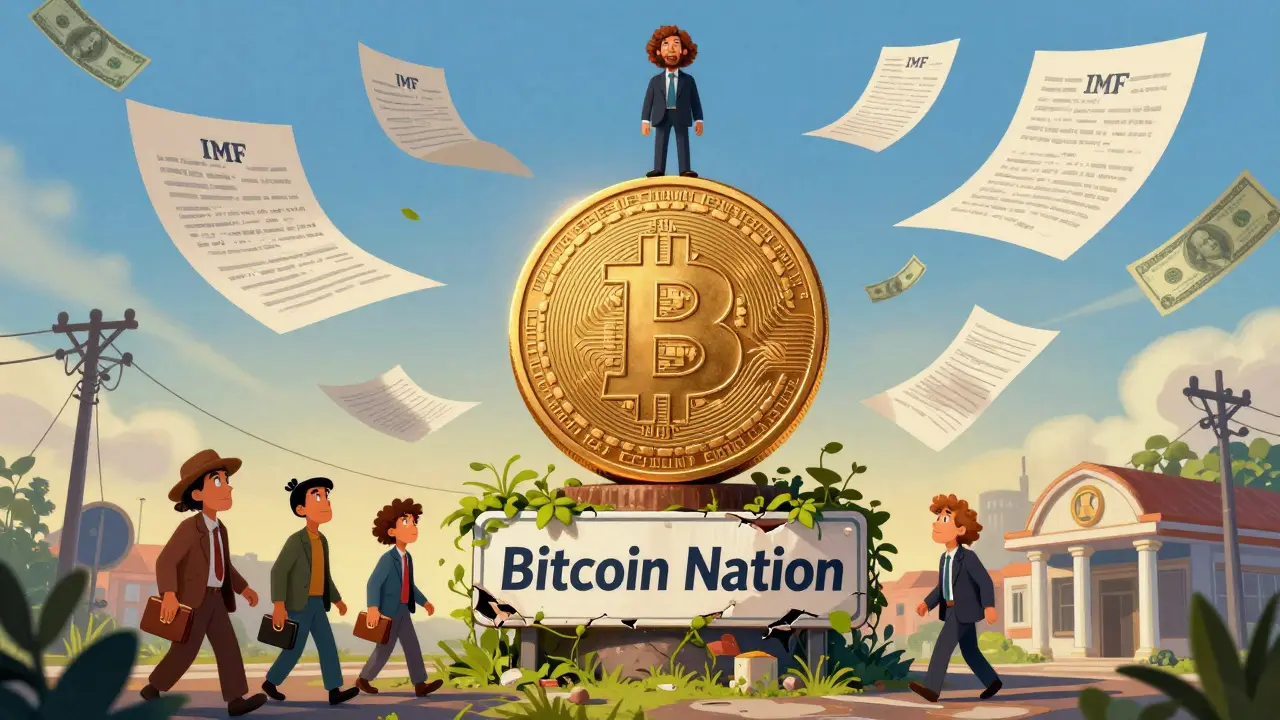
What’s Next for El Salvador’s Bitcoin Experiment?
The government still owns about 2,300 Bitcoin, bought mostly during the 2022-2023 price dip. They say they’re holding it long-term. But there’s no plan to spend it. No strategy to use it for public services. It’s just sitting there - like a trophy from a failed bet. The real future of El Salvador’s economy isn’t Bitcoin. It’s better banking. Cheaper remittance services. More reliable electricity and internet. And real financial education - not free crypto giveaways. Bitcoin was supposed to be the revolution. Instead, it became a distraction. A shiny object that pulled attention away from the real problems: corruption, weak institutions, and underinvestment in infrastructure.Lessons from El Salvador’s Bitcoin Mistake
El Salvador didn’t fail because Bitcoin is bad. It failed because it tried to solve deep economic problems with a single, flashy tool. You can’t fix poverty with a wallet. You can’t replace a banking system with a cryptocurrency app. And you can’t run a national economy on a volatile asset that swings 30% in a week. The real lesson? Innovation doesn’t mean forcing a new technology onto a population that doesn’t need it - or understand it. Real progress comes from solving problems step by step, not with one big, risky bet. El Salvador’s Bitcoin experiment didn’t work. But maybe that’s okay. Because now the country has a chance to try again - this time, with clearer goals, better tools, and a focus on real people, not crypto headlines.Is Bitcoin still legal tender in El Salvador?
Yes, Bitcoin is still legally recognized as tender alongside the U.S. dollar. Businesses are required to accept it, and taxes can be paid in Bitcoin. But in practice, almost no one uses it for daily transactions. The government no longer promotes it actively, and the IMF agreement in 2024 effectively ended its role as a core economic tool.
Why did the IMF oppose El Salvador’s Bitcoin plan?
The IMF warned that Bitcoin’s extreme price swings threatened macroeconomic stability. Holding Bitcoin as a reserve asset exposed the country to massive fiscal risk. If Bitcoin’s value dropped sharply, the government could lose billions. The IMF also criticized the lack of transparency in Bitcoin purchases and the absence of proper financial safeguards. Their 2024 loan deal required El Salvador to limit Bitcoin use to protect its economy.
Did Bitcoin reduce remittance costs in El Salvador?
Slightly - but not because of Bitcoin. Most remittances now flow through apps like Wise, PayPal, or Revolut, which charge less than 3% and settle in minutes. These services don’t require users to hold Bitcoin. The Chivo app, which was supposed to cut costs, saw very little usage for remittances. The real savings came from traditional fintech, not crypto.
How many Salvadorans actually use Bitcoin daily?
Very few. A 2023 survey found that only about 2% of Salvadorans used Bitcoin for regular payments. Most who downloaded the Chivo app used it once - to claim their free $30 - then stopped. The active user base is mostly young, tech-savvy men in cities. The unbanked, elderly, and rural populations rarely use it.
What happened to the free Bitcoin the government gave out?
Most people cashed it out for U.S. dollars immediately. The free Bitcoin wasn’t meant to be held - it was a lure to get people to download the app. Once they had it, many used exchange services to convert it to cash. Very few used it to pay for goods or services. The government never tracked how much was actually spent locally.
Is El Salvador still buying Bitcoin?
No. Since the 2024 IMF agreement, the government stopped purchasing Bitcoin. They still hold around 2,300 BTC, bought mostly between 2021 and 2023 when prices were lower. But they’ve made no new purchases since then. Their focus has shifted to stabilizing the dollar-based economy and meeting IMF requirements.


Catherine Hays
This is what happens when you let a dictator with a Twitter addiction run an economy. Bitcoin isn't a currency it's a gamble. And now El Salvador is broke and begging the IMF for handouts. Classic.
Barbara Rousseau-Osborn
I told you all this would fail. Free Bitcoin? Are you kidding me? People aren't dumb. They saw it for what it was: a publicity stunt wrapped in blockchain glitter. The only thing that got 'banked' was Bukele's ego.
Melissa Contreras López
Honestly? The real win here is that people are talking about financial inclusion. Maybe the Bitcoin part flopped, but now we're finally asking: why do so many people still live outside the system? That’s the real conversation we should be having.
Arielle Hernandez
The IMF's involvement was inevitable. Bitcoin's volatility violates every principle of monetary stability. Central banks hold reserves to buffer shocks-not to speculate on meme coins disguised as assets. This was never economics. It was theater.
Mike Stay
Let’s not pretend this was purely about technology. El Salvador’s government used Bitcoin as a distraction from decades of institutional decay. When you have no real plan to fix corruption, weak infrastructure, or education, you slap on a shiny app and call it innovation. It’s the same playbook used by failed startups everywhere.
Taylor Mills
Yall act like this was some radical experiment. Nah. It was a dumb idea with a big PR budget. You think poor people in rural areas care about blockchain? They care about food on the table. And now the gov owes 1.4 billion because they spent cash on crypto speculation. Classic American-style arrogance.
Ryan Depew
I downloaded Chivo just to get the free $30. Then I cashed out. Everyone did. It wasn’t about crypto. It was about free money. The government thought they were building the future. They just built a really expensive gift card.
steven sun
bro why are we still talking about this? the whole thing was a vibe check fail. people want fast cheap remittances not a crypto wallet that crashes every time you try to pay for tacos. just let people use paypal. it works. end of story.
Tammy Goodwin
I feel bad for the people who lost money because the app glitched. No one should be forced to gamble with their livelihoods just because a politician thinks he’s Satoshi.
Jen Allanson
The notion that a nation can adopt a decentralized, unregulated asset as legal tender without regulatory oversight is not merely imprudent-it is an abdication of sovereign responsibility. This was never a financial innovation. It was a constitutional failure.
Chidimma Catherine
In Nigeria we have similar challenges with remittances and banking access. But we solve it with mobile money like Paga and Opay. Not crypto. Not speculation. Simple tech that works with the existing infrastructure. El Salvador didn’t need Bitcoin. They needed better internet and more bank branches.
HARSHA NAVALKAR
I dont understand why people think crypto will fix poverty. its just numbers on a screen. when you need to buy rice tomorrow, you cant eat bitcoin. this was always a fantasy for rich tech bros who never met someone who lives on $5 a day.
Jessica Boling
So the president gave away free crypto to get likes and now the country is in debt… again. What a surprise. Next up: El Salvador launching its own NFT national anthem
Brenda Platt
I’m so glad someone finally said this out loud. The real innovation wasn’t Bitcoin-it was the fact that people started talking about financial access. Maybe now we can actually build real solutions instead of chasing shiny objects 🙌
Darrell Cole
You think this is bad? Wait till the next country tries to run its economy on Dogecoin. At least Bitcoin has some actual utility. This was just bad governance wrapped in blockchain buzzwords. And now they’re stuck with 2300 BTC they can’t sell without crashing the market. Poetic justice.
Harshal Parmar
Look i know it sounds crazy but maybe the real lesson is not that bitcoin failed but that top down tech solutions dont work without trust and education. imagine if instead of giving free btc they spent the money training 10000 community leaders to teach people how to use digital payments. that would have changed lives for real. instead they gave away candy and called it revolution.
Adam Fularz
The only thing more pathetic than the bitcoin experiment is how people still defend it. 'Oh but it was a learning experience!' Yeah and the learning experience was: don't trust politicians who think crypto is a cure-all. Simple.
Clark Dilworth
From a systems perspective, the failure was structural: Bitcoin’s non-deterministic settlement time, lack of fiat peg, and absence of lender-of-last-resort mechanisms made it incompatible with sovereign monetary policy. The Chivo wallet’s UX was merely symptomatic of a deeper architectural mismatch.
Mathew Finch
Let’s be real. This wasn’t about financial inclusion. It was about Bukele flexing. He wanted to be the first to do something no one else dared. Now he’s got a cult following and a national debt. Congrats. You won the internet. You lost your country.
Adam Lewkovitz
I’m from the US and I still don’t get crypto. But I know this: if your country’s solution to poverty is handing out digital coins you can’t even spend reliably, you’re not fixing anything. You’re just making the rich richer and the poor more confused.
David Zinger
The only people who benefited were the early adopters who cashed out at $40k. Everyone else got a buggy app and a lesson in why governments shouldn’t play traders.
Linda Prehn
I just hope no other country tries this. Imagine if India tried to make Rupee into an NFT. Or Canada made maple syrup the reserve asset. This isn’t innovation. It’s a carnival sideshow with national consequences.