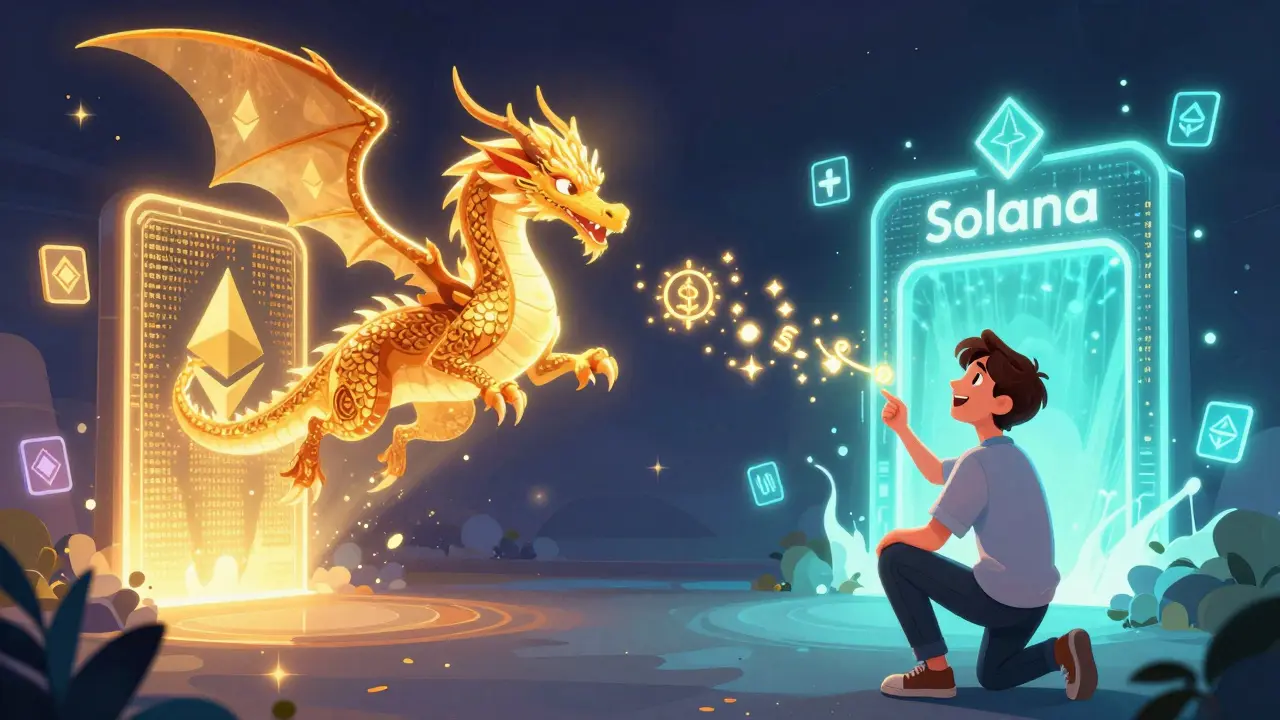
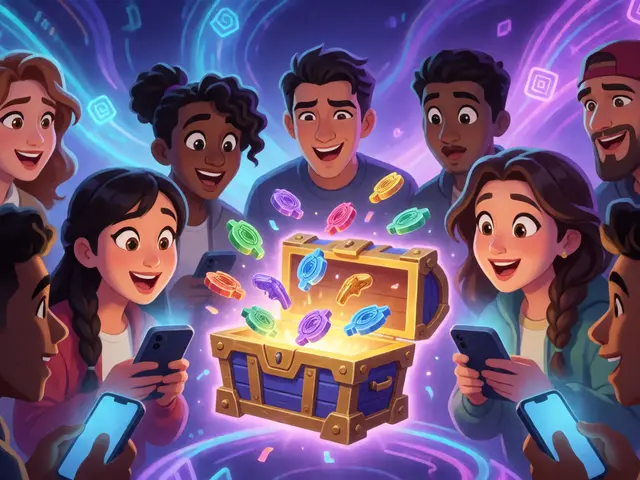
Imagine buying a digital artwork on Ethereum, then instantly using it in a game on Solana - no wrapping, no bridges, no lost metadata. That’s the promise of cross-chain NFT standards. For years, NFTs were locked to the chains they were minted on. A Bored Ape on Ethereum couldn’t move to Polygon without being copied, wrapped, and stripped of its original verification. That’s changing. Today, cross-chain NFT standards are no longer experimental. They’re the backbone of the next wave of digital ownership.
Why Cross-Chain NFTs Matter More Than Ever
In 2021, NFTs exploded. But by 2023, the cracks showed. Collectors couldn’t use their assets across platforms. Gamers couldn’t bring their skins from one game to another. Artists saw their work trapped on one chain, missing out on audiences elsewhere. The result? Liquidity froze. Markets fragmented. Users got frustrated. The fix? Standards that let NFTs move natively - not as copies, not as wrapped tokens, but as the original asset, with full proof of ownership, metadata, and royalties intact. That’s what cross-chain NFT standards do. They don’t just transfer tokens. They transfer identity. By Q1 2026, over 58% of all cross-chain NFT transfers happened in gaming. Think Star Atlas players moving their ships from Ethereum to Sui, or Illuvium characters appearing in a new world on Polygon. These aren’t just convenience features. They’re economic necessities. If your NFT can’t move, it can’t earn. And if it can’t earn, it loses value.Chainlink CCIP: The Enterprise Standard for High-Value NFTs
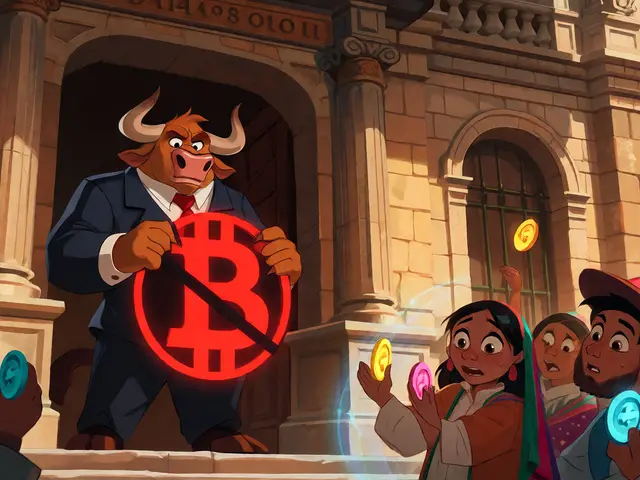
When institutions enter the NFT space - auction houses, galleries, real estate tokenizers - they don’t want guesswork. They want audit trails, compliance, and zero failure rates. That’s where Chainlink’s Cross-Chain Interoperability Protocol (CCIP) comes in. CCIP v2.1, released in January 2026, supports 30+ blockchains including Ethereum, Solana, Near, Sui, and Aptos. It doesn’t rely on wrapped tokens. Instead, it uses verifiable proofs to confirm an NFT’s origin and status across chains. Its decentralized Guardian network - 31 independent nodes requiring 21-of-31 signatures - has achieved 99.998% uptime. That’s banking-grade reliability. What sets CCIP apart is its Automated Compliance Engine (ACE). It checks the location of the buyer and seller in real time. If a collector in Hong Kong buys an NFT from a seller in the U.S., ACE automatically applies the right KYC and tax rules. That’s why ANZ, Fidelity, and China AMC used CCIP to settle 1,247 institutional NFT transactions in late 2025 - with zero failures. Institutional platforms like SuperRare and Foundation now require CCIP for high-value sales. Why? Because regulators demand proof of origin. Wrapped tokens can’t provide that. CCIP can.ERC-7683: The Simplicity Revolution
Not everyone needs compliance engines. Many creators and indie collectors just want to move their NFTs fast, cheap, and without bloat. Enter ERC-7683. Developed by Across Protocol and Uniswap, and ratified as an EIP in November 2025, ERC-7683 is built around “intent.” Instead of sending a token, you send an instruction: “Move this NFT from Ethereum to Polygon, and keep everything intact.” The protocol handles the rest. No wrapped assets. No third-party custody. Just native transfers. It’s fast. Slippage is under 0.37%. Finality is under 10 seconds on major chains. And it’s growing. By Q2 2026, ERC-7683 will support over 100 chains through its permissionless Routes SDK. OpenSea used it to cut integration time by 37% compared to older bridge models. MIT’s Digital Currency Initiative found ERC-7683 reduces NFT provenance disputes by 94.3% compared to wrapped token systems. Why? Because the original token never gets duplicated. It moves. Like a passport, not a photocopy.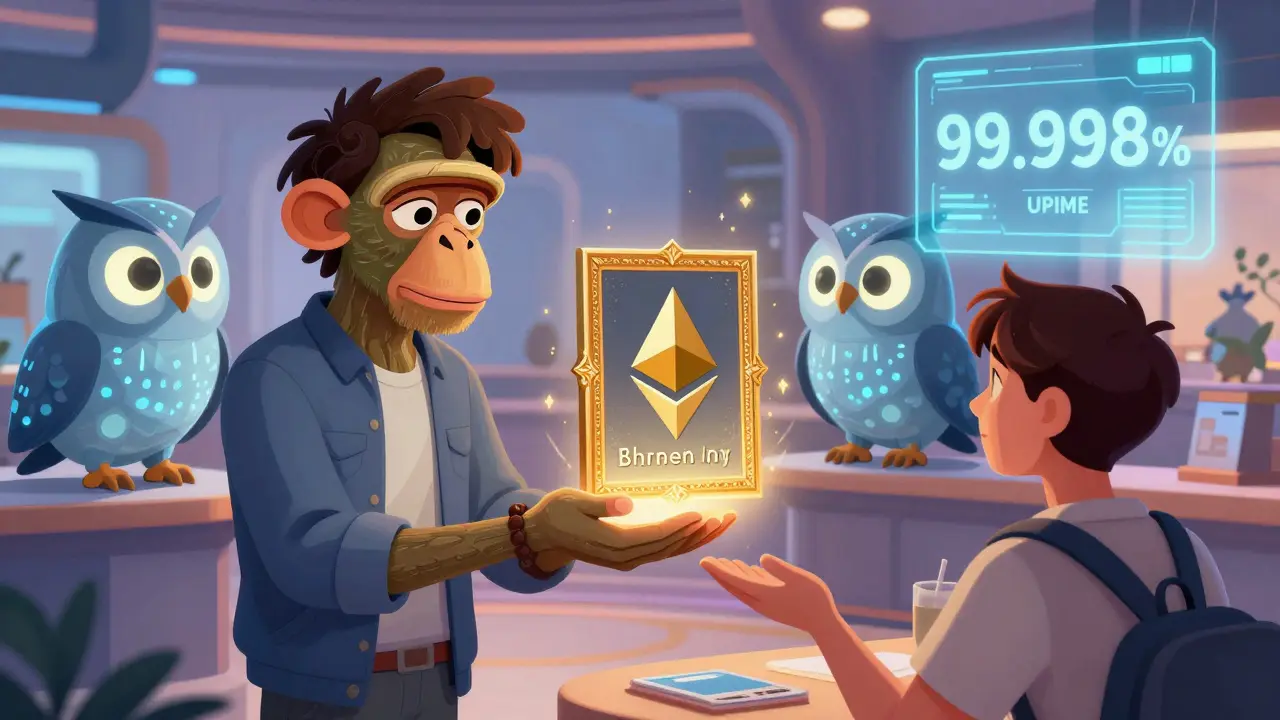
Symbiosis Finance: The Bitcoin Bridge and the Indie Favorite
Most cross-chain protocols ignore Bitcoin. Not Symbiosis. Its v3.4 release in December 2025 added non-custodial Bitcoin integration - a first for NFT transfers. Using Multi-Party Computation (MPC), it lets users move NFTs between Ethereum, Solana, and Bitcoin without trusting a central party. It’s popular with indie creators. One Reddit user transferred a Bored Ape from Ethereum to Solana in 15 seconds and wrote: “No wrapped token nonsense.” That’s the kind of feedback that builds trust. Symbiosis also supports 430+ token pairs, making it ideal for DeFi-NFT hybrids. Its average finality time of 12.7 seconds between Ethereum and Solana beats Wormhole and Stargate. Fees are slightly higher - around $0.014 - but users say it’s worth it for the flexibility. Its biggest weakness? Complexity. Setting up MPC nodes requires technical skill. But for creators who want Bitcoin exposure or need to move assets across obscure chains, it’s the only option.Wormhole and Stargate: Where the Consumer Market Lives
Wormhole still leads in adoption among top NFT marketplaces - 41.7% of platforms use it. But its strength is also its flaw: wrapped tokens. It creates synthetic versions of NFTs on target chains. That means metadata can break. Royalties can vanish. And users report verification issues 12.3% more often than with native protocols. Stargate, on the other hand, uses unified liquidity pools. It keeps a single representation of an NFT across chains, avoiding the 15-22% liquidity fragmentation seen in wrapped models. But it only supports 8 EVM chains. That limits its use for NFTs on Solana, Sui, or Cosmos. For casual users buying $500 NFTs on OpenSea or Blur, Wormhole works fine. For professionals, it’s a liability.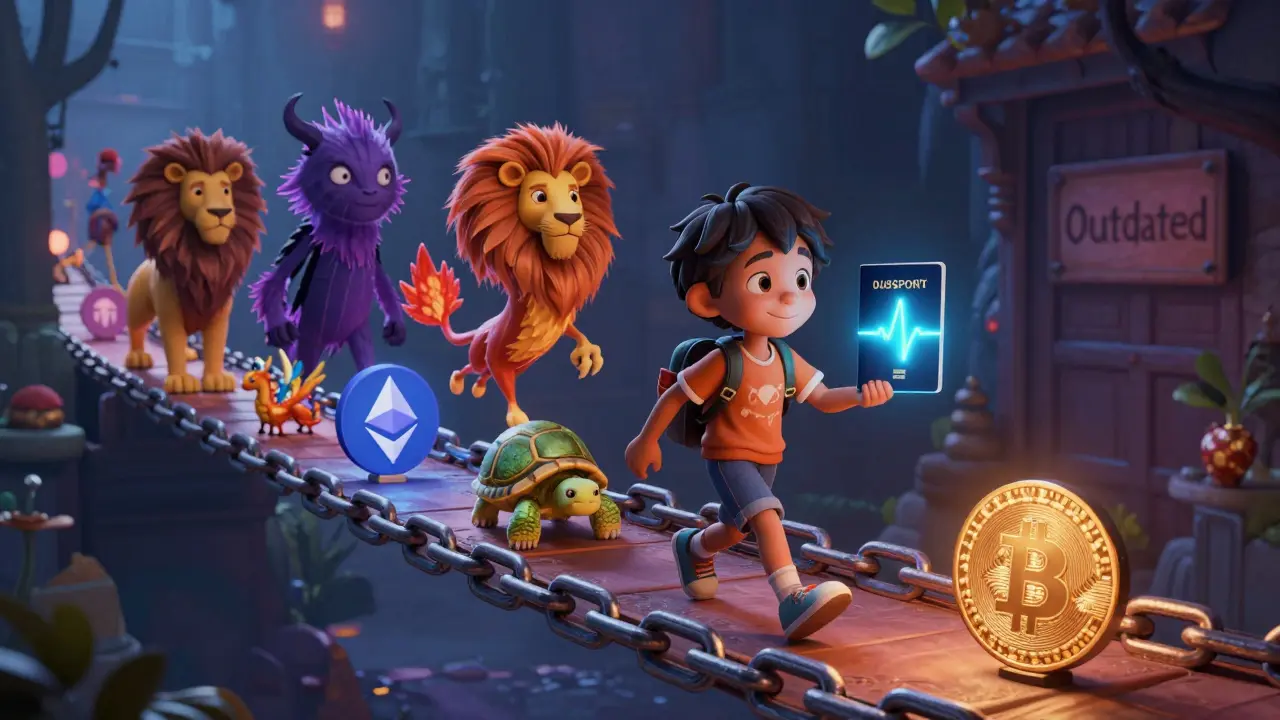



Adam Fularz
lol so now we need 5 different standards just to move a jpeg around? i just wanted to put my ape in a game. not write a whitepaper.
Melissa Contreras López
This is actually kind of beautiful if you think about it - NFTs finally becoming like real art, free to roam where they’re appreciated. No more cages. No more wrappers. Just pure digital ownership. 🌱✨
Mike Stay
The transition from fragmented, chain-locked digital assets to a truly interoperable ecosystem represents a paradigmatic shift in the architecture of decentralized identity. The institutional adoption of Chainlink CCIP, with its verifiable proof mechanisms and Guardian network, constitutes a foundational layer of trust that was previously absent in Web3 infrastructure. This is not merely a technical upgrade - it is the institutionalization of digital provenance.
MOHAN KUMAR
All this fancy tech but 63% of royalties still broken? Why are we wasting time on this? Just make it work.
Jen Allanson
If you're not using CCIP for high-value NFTs, you're not serious about ownership. Wrapped tokens are digital counterfeit. This isn't innovation - it's negligence.
Dave Ellender
I’ve used Symbiosis to move an NFT to Bitcoin. It worked. Took 17 seconds. No one else can say that. Honestly? It felt like magic.
Linda Prehn
So now we have to choose between a bank-grade system that costs 10k in gas or a simple one that might break your art? What a joke. We’re building a museum with duct tape
Adam Lewkovitz
America built the internet. China’s building the next blockchain. Why are we letting some tech bros in San Francisco decide how NFTs move? This is cultural imperialism.
Clark Dilworth
The ODP integration with ERC-7683 is the real MVP here. Metadata standardization via on-chain anchoring eliminates the off-chain dependency vector that’s been the Achilles’ heel of generative art since 2021.
Brenda Platt
YESSSS this is what I’ve been screaming about!! 🙌 No more broken animations! No more royalty theft! If you’re still using Wormhole, please go cry into your Bored Ape hoodie and come back when you’re ready to grow up 💅
Barbara Rousseau-Osborn
They’re all lies. CCIP is just a front for the Fed. ERC-7683? A decoy. They’re tracking every transfer. You think your NFT is yours? It’s theirs. Always has been.
Arnaud Landry
I’ve been waiting for this. But I still don’t trust any of it. What if the Guardian nodes are compromised? What if the MPC nodes are bought? What if the whole thing collapses tomorrow? I sleep with my seed phrase under my pillow. Just in case.
steven sun
I just moved my punk to solana in 8 sec. no drama. no gas wars. just vibes. why is everyone overcomplicating this?
Catherine Hays
Royalty enforcement is broken? No surprise. Artists never get paid anyway. This whole thing was a scam from day one
Chidimma Catherine
This is amazing for Africa too. We can mint on Ethereum and sell in Nigeria without bridge fees. No more middlemen. Thank you for thinking of us
Nathan Drake
If ownership is truly portable, then what does it mean to 'own' something at all? Is it the token? The metadata? The community’s belief in its value? Or is it just the illusion of control in a system designed to make us feel like we have agency?
Jessica Boling
So we’re supposed to be impressed that a protocol can move a JPEG without breaking it? Meanwhile my cat’s Instagram got 20k likes. Which one matters more?
Tammy Goodwin
I’ve been using ERC-7683 for my digital paintings. The speed is insane. And the fact that my metadata didn’t vanish? Honestly, I cried a little. It felt like my art finally had a home.
Andy Simms
For devs: if you're integrating cross-chain, test metadata on at least 3 chains. And check royalty triggers manually. No automation is perfect yet. I lost 3 weeks because I trusted a library that didn’t handle Sui properly.
tim ang
yessss finally someone gets it!! i moved my illuvium char to polygon and now my friend can fight it in his game too. this is the future. no more copying. no more wrappers. just pure magic
Bonnie Sands
You think this is about ownership? Nah. It’s about control. Who owns the nodes? Who owns the compliance engine? This is just Wall Street with better UI
katie gibson
I bought an NFT last week. It looked like a painting. Now it’s just a pixelated blob on Solana. So much for 'native transfer'. They’re all lying. Every single one of them
Ashok Sharma
This is good development. For India, low-cost transfer is essential. Many artists cannot afford high gas. ERC-7683 is a gift. Thank you for building this.