
Finding a hidden gem in the crypto world usually starts with a whisper about a new token launch or a free giveaway. When you hear about the ADAPad is a cryptocurrency project focused on the launchpad ecosystem, aiming to facilitate the initial release of new tokens via decentralized mechanisms. Also known as ADAPAD, it operates within the high-stakes world of Initial DEX Offerings., it's easy to get caught up in the hype. But before you connect your wallet or stake your hard-earned assets, you need to know if the reward is worth the risk.
What exactly is the ADAPad IDO launch?
An IDO is an Initial DEX Offering, which is a fundraising mechanism where a project sells its tokens directly to investors through a decentralized exchange (DEX). Unlike traditional IPOs in the stock market, an IDO allows retail investors to get in on the ground floor without needing a fancy brokerage account. For ADAPad, the IDO represents the moment the project opens its doors to the public, providing the initial liquidity needed to start trading.
In the current landscape, most IDOs happen on platforms like DAO Maker or Polkastarter. These platforms act as gatekeepers, vetting projects and managing the sale process. If you're looking to participate in an ADAPad airdrop or token sale, you'll typically need to follow a specific set of steps: creating a compatible wallet (like MetaMask), completing a KYC (Know Your Customer) process, and sometimes staking the launchpad's own native tokens to earn a "ticket" or allocation for the sale.
Breaking down the airdrop details
Airdrops are basically the "free samples" of the crypto world. Projects use them to create buzz, reward early supporters, or distribute tokens to a wider group of people to ensure the network isn't just owned by a few whales. While specific, verified airdrop criteria for ADAPad can be hard to find in official docs, most airdrops in this category follow a few common patterns.
Usually, you're eligible for an airdrop if you've held a certain amount of a partner token, interacted with the project's testnet, or joined their social media community early on. However, be careful. Because airdrops are so popular, scammers often create fake "claim" pages. If a site asks for your seed phrase to "unlock" your ADAPAD tokens, close the tab immediately. No legitimate project will ever ask for your private keys.

Current market performance and price action
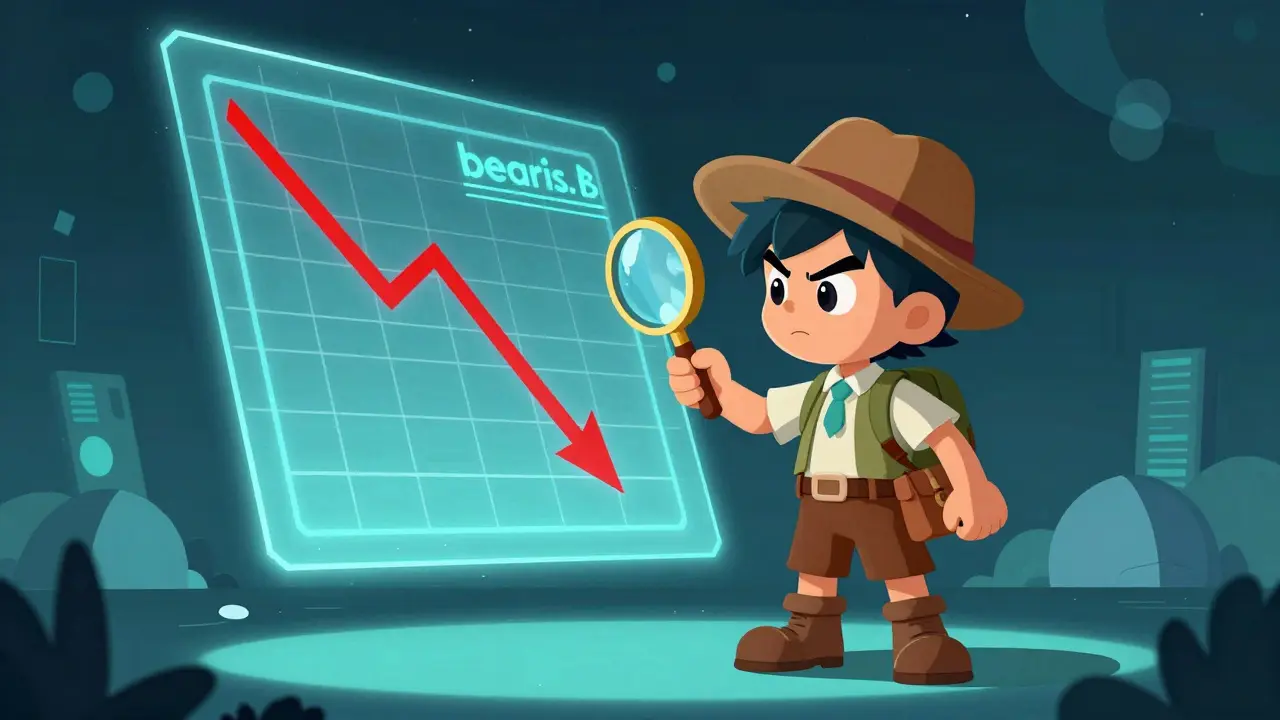
Looking at the numbers, ADAPad hasn't had the smoothest ride lately. As of recent data, the token is trading around $0.0027. If you're a technical trader, you've probably noticed the bearish trend. The 50-Day Simple Moving Average (SMA) is sitting at $0.002813, and the 200-Day SMA is even higher at $0.003144. When the short-term average is below the long-term average, it's usually a signal that the price is in a downward slide.
The Relative Strength Index (RSI) is hovering around 50.96. In plain English, this means the token isn't "oversold" (too cheap) or "overbought" (too expensive)-it's just floating in the middle. With volatility sitting at 5.69%, it's surprisingly quiet for a low-cap token. Some analysts are even predicting a drop toward $0.001959 by the end of 2025, which makes the current entry point a gamble.
| Metric | Current Value | Market Sentiment |
|---|---|---|
| Current Price | $0.0027 | Bearish |
| 50-Day SMA | $0.002813 | Downward Trend |
| 14-Day RSI | 50.96 | Neutral |
| Volatility | 5.69% | Low |
How to actually participate in the launch
If you're determined to get involved, you need a game plan. Participating in a modern IDO isn't as simple as clicking "buy." Here is the typical workflow for projects utilizing decentralized launchpads:
- Wallet Setup: You'll need a non-custodial wallet. Since ADAPad operates in the DEX space, a wallet that supports the BNB Chain or Ethereum is a must.
- KYC Verification: Most reputable platforms require you to prove you're a human. This involves uploading a government ID to prevent bot-driven sales from wiping out all the allocations.
- Staking for Allocation: Many platforms use a tiered system. For example, if you stake 1,000 tokens of the launchpad's own coin, you might get a "guaranteed allocation," meaning you're promised a specific amount of tokens to buy.
- The Contribution Phase: During the actual sale window, you send the required funds (usually USDT or BNB) to the smart contract.
- Claiming Tokens: After the IDO ends, you don't usually get the tokens instantly. You'll have to go back to the platform and manually claim them to your wallet.
The risks you can't ignore
Let's be real: IDOs are high-risk, high-reward. For every project that goes 15x, there are ten that crash to zero. The decentralized nature of these launches means there's less regulatory oversight than you'd find on a big exchange like Coinbase. One major risk is "dumping," where early investors and airdrop recipients sell their tokens the second the project hits the open market, crashing the price for everyone else.
Another issue is the lack of transparent documentation. If you can't find a detailed whitepaper or a verified team list, you're essentially flying blind. Always check if the project has a locked liquidity pool. Locked liquidity means the developers can't just pull all the money out of the exchange and disappear-a move commonly known as a "rug pull."
Comparing ADAPad to other launchpad giants
To understand where ADAPad fits, you have to look at the big players. Platforms like TrustPad have raised billions of dollars and seen massive returns. These established entities have a track record of vetting projects. ADAPad is trying to carve out its own space, but it lacks the massive historical data and trust that comes with a multi-billion dollar track record.
While a giant like DAO Maker focuses on high-tier retail access, smaller launchpads often provide lower barriers to entry. This is a double-edged sword: it's easier for you to get in, but it's also easier for low-quality projects to slip through the cracks. The trade-off is always between accessibility and security.
How do I know if I'm eligible for the ADAPad airdrop?
Eligibility usually depends on specific tasks defined by the project, such as holding a certain amount of partner tokens, participating in community events, or being an early user of their platform. Always check the official ADAPad social media channels or their official website to verify eligibility criteria. Never provide your private keys to any site claiming to check your eligibility.
Is ADAPAD a safe investment right now?
Safe is a strong word in crypto. With a current bearish trend and a price sitting below both the 50-day and 200-day moving averages, ADAPad is currently a high-risk asset. Technical indicators suggest potential further decline, so it is vital to only invest money you are prepared to lose and to conduct thorough due diligence on the project's roadmap.
What is the difference between an IDO and an ICO?
An ICO (Initial Coin Offering) is typically a centralized process where investors send funds directly to the project developers. An IDO (Initial DEX Offering) happens on a decentralized exchange. IDOs are generally considered more transparent because the liquidity is handled by smart contracts and the tokens are listed on a DEX immediately after the sale, providing instant market access.
Where can I trade ADAPAD tokens?
ADAPAD tokens are primarily traded on decentralized exchanges (DEXs) that support the blockchain they are built on. You can find them on platforms that aggregate liquidity pools for small-cap tokens, though you should always verify the contract address on a site like CoinMarketCap or CoinGecko to avoid buying fake versions of the token.
What should I do if I missed the IDO?
If you missed the initial sale, your options are to buy the token on the secondary market (the DEX) or wait for potential future airdrops and community rewards. However, buying after a launch often means you're buying at a higher price than the IDO participants, so monitor the RSI and moving averages to find a reasonable entry point.




Scott Fenton
The technical analysis provided regarding the Simple Moving Averages is quite accurate. It is imperative for investors to recognize that a death cross or a sustained bearish trend often precedes further decline, regardless of the project's utility. Maintaining a rigorous risk management strategy is the only way to survive in this volatile market.
Jessie Tayaban
Omg i almost fell for a fake airdrop site last week!! It's actually so scary how they look exactly like the real thing... thank god i didnt put my seed pharse in or i'd be totally broke right now!! 😱
Amanda Faust
everyone knows the 50-day sma is a lagging indicator and basically useless for low cap gems since they move on hype not trends
Swati Sharma
The tokenomics here seem to be geared toward maximizing TVL in the short term through staking tiers. If the project can successfully implement a sustainable reward emission schedule without causing massive slippage upon unlock, the liquidity depth could actually improve. We need to see if the smart contract audits are public before committing significant capital to the pool.
Jonathan Chamma
It's a bit like planting a tiny seed in a storm; you've got to be patient and protect it. Just remember to keep your head cool and only play with the pocket change you're okay with losing if the wind blows too hard!
EDOZIEM MICHAEL
money is just a game of perception anyway if the community believes it has value then it does
Artavius Edmond
I'm totally down for an airdrop if it's easy to get! Always love finding these new projects early on. Let's see if this one actually takes off or just fades away like a hundred others lol.
Rebecca Violette
i tried to get in but the kyc process is literally the worst thing ever it took me like three hours and then it glitched and i just want to cry lol why is everything so hard
Emily H
It is highly advisable to utilize a separate "burner" wallet when interacting with new IDO platforms. By segregating your primary assets from your interaction wallet, you significantly mitigate the risk of a catastrophic loss should the platform's smart contract contain an unforeseen vulnerability. This is a fundamental practice for any disciplined investor.
Prasanna Shembekar
my wallet is literally empty now i can't even buy a coffee lol this market is killing me
Lane Montgomery
How much you holding?
Mikayla Murphy
It's really important to remember that we all come from different backgrounds and some of us can't afford to lose even a small amount. Let's keep the discussion helpful and avoid pressuring people into risky bets.
Agnessa Dale
I'm sure it'll bounce back eventually!
logan bates
American investors are the only ones actually funding the real growth here. These offshore launchpads just want our dollars to pump their junk.