Have you ever scrolled through your social media feed, seen a cute bunny sticker, and wondered if that character has its own cryptocurrency? That’s exactly where Tuzki comes in. It’s not just a cartoon; it’s a cultural icon in China, created by animator Momo Wang. But recently, that same name popped up on crypto charts as the TUZKI token. If you’re asking what this coin actually does, how much it’s worth, and whether it’s safe to buy, you’ve landed in the right place.
The short answer? It’s a speculative asset tied to a popular internet character, trading at fractions of a cent with significant risks attached. Let’s break down what Tuzki really is, where it lives on the blockchain, and why you need to be careful before clicking "buy."
What Is the Tuzki Character?
Before we talk about tokens, contracts, or market caps, we have to understand the brand behind the ticker. Tuzki is an animated rabbit character that exploded in popularity across Asian messaging apps like QQ and WeChat. Known for its minimalist design and expressive, often humorous reactions, Tuzki became one of the earliest viral digital characters in China. Think of it as the original "meme" before memes had a formal name.
In the world of cryptocurrency, branding matters. Projects like Dogecoin or Shiba Inu leverage existing internet culture to build communities. Tuzki attempts the same strategy. The idea is simple: take a beloved, recognizable IP (Intellectual Property) and tokenize it. This creates a bridge between fans of the character and the crypto ecosystem. However, unlike some major projects, the connection between the original creator, Momo Wang, and the specific TUZKI tokens currently trading is often murky. Many of these tokens are community-driven or third-party deployments rather than official releases from the animation studio itself.
Which Blockchain Does TUZKI Use?
This is where things get complicated-and potentially dangerous for new investors. There isn’t just one TUZKI token. Instead, you’ll find versions deployed on multiple blockchains. This fragmentation is common in the meme coin space but makes tracking the "real" project difficult.
| Blockchain Network | Token Standard | Current Status | Key Risk Factor |
|---|---|---|---|
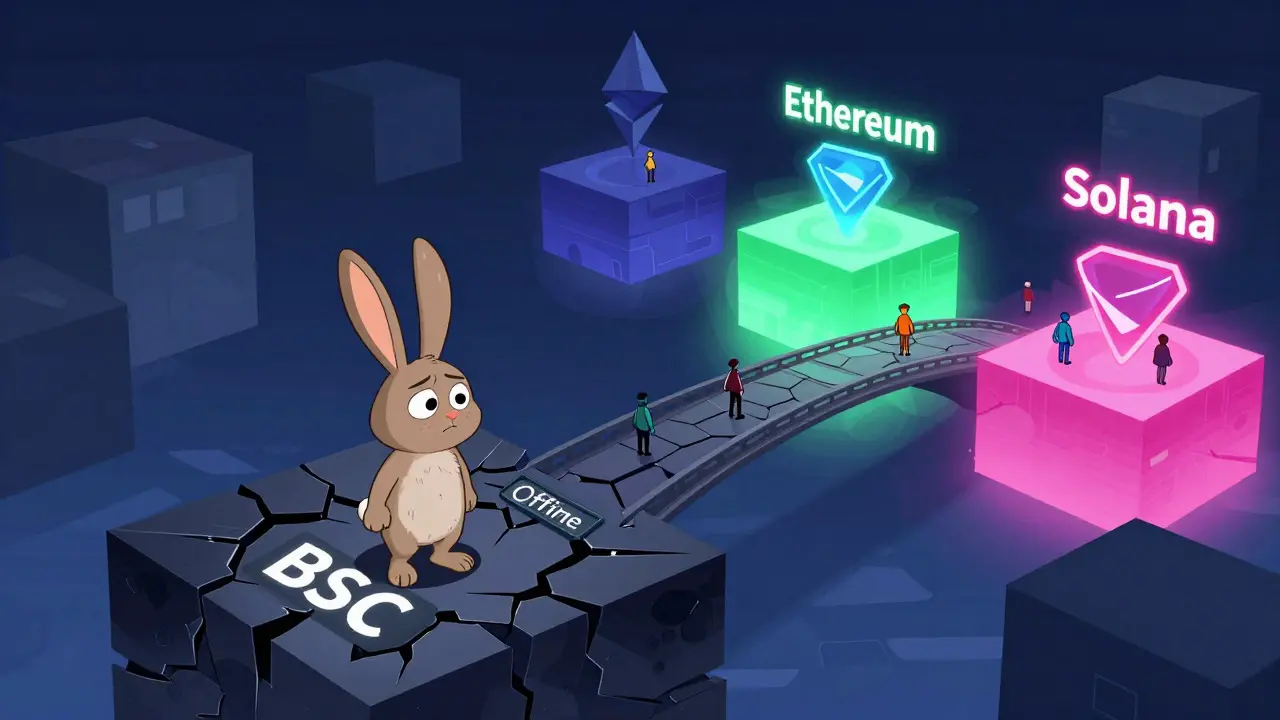
| Binance Smart Chain (BSC) | BEP-20 | Reported offline since October 2024 | Potential liquidity trap; no active development |
| Ethereum | ERC-20 | Active trading via Uniswap | High gas fees relative to token value |
| Solana | SPL Token | Active listings | Fragmented liquidity; potential copycat risk |
The most notable issue here is the Binance Smart Chain version. Reports indicate this deployment went offline in late 2024. For a decentralized asset, going "offline" usually means the liquidity pools were drained, the smart contract was abandoned, or the project team ceased operations. Meanwhile, the Ethereum version remains tradable, though its low price point creates unique challenges for users.
Market Data: Price, Supply, and Volume
If you look at the numbers, TUZKI is a micro-cap asset. As of mid-2026, the token trades at approximately $0.0000002147 USD. To put that in perspective, you would need millions of tokens to equal a single dollar. This extreme divisibility is typical for meme coins, which often use large supplies to make prices look "cheap" to retail investors.
- Max Supply: 420,690,000,000 tokens (a nod to internet culture slang).
- Circulating Supply: ~408 billion tokens.
- Fully Diluted Valuation (FDV): Around $83,928 USD.
- Market Cap Rank: Outside the top 10,000 cryptocurrencies globally.
The trading volume is equally telling. Depending on the data aggregator, 24-hour volume ranges from roughly $2,700 to $87,000 USD. While one source claims a 107% increase in volume, the absolute numbers remain tiny compared to established coins like Bitcoin or even mid-tier altcoins. Low volume means low liquidity. In practical terms, this means if you try to sell a large amount of TUZKI, you might crash the price yourself because there aren’t enough buyers waiting on the other side.
Furthermore, the token has declined over 94% from its all-time high. This steep drop suggests that early hype has faded, and long-term holders may have already exited their positions.
How to Buy TUZKI (And Why You Should Be Careful)
If you decide to proceed despite the risks, the process involves using a Web3 wallet and a decentralized exchange (DEX). Here is the step-by-step workflow for the Ethereum version, which is currently the most accessible:
- Set Up a Wallet: Download a non-custodial wallet like MetaMask or Trust Wallet. These allow you to hold ERC-20 tokens directly.
- Fund Your Wallet: Buy Ethereum (ETH) from a centralized exchange (like Coinbase or Binance) and send it to your MetaMask address. You’ll need ETH to pay for transaction fees (gas).
- Connect to a DEX: Go to Uniswap, the primary platform for trading TUZKI on Ethereum. Connect your wallet.
- Add the Token: Paste the official contract address:
0x6d68015171eaa7af9a5a0a103664cf1e506ff699. Note: Always double-check this address. Scammers often create fake tokens with similar names. - Swap ETH for TUZKI: Set your slippage tolerance. Because the token has low liquidity, you may need to set slippage to 0.1% or higher to ensure the trade goes through. However, higher slippage increases the risk of front-running bots stealing value.
For those looking at the Binance Smart Chain version, the process is similar but uses PancakeSwap and BNB instead of ETH. Just remember: the BSC version has been reported as inactive since late 2024. Buying there could mean buying a dead asset.
Risks and Red Flags
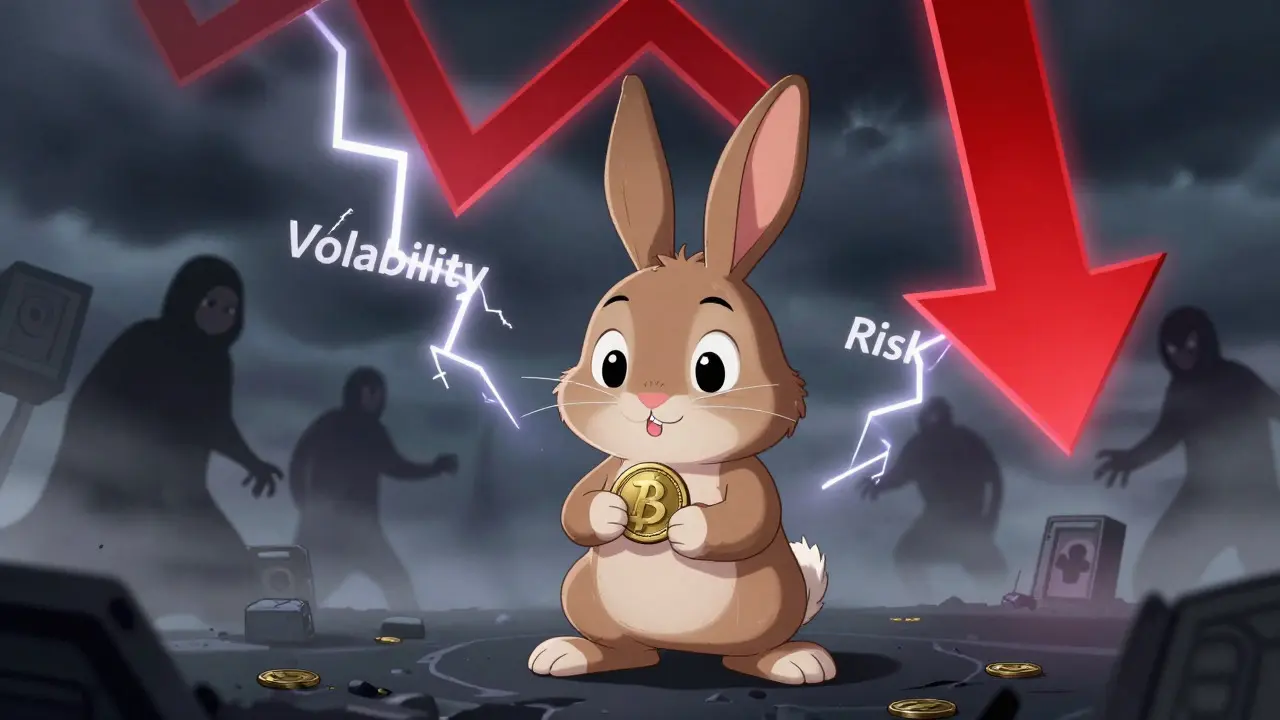
Investing in micro-cap meme coins is less like investing in Apple stock and more like buying a lottery ticket. Here are the specific red flags surrounding TUZKI that every investor should weigh:
1. Lack of Official Endorsement
There is little evidence that the original creators of the Tuzki character officially launched or support these specific tokens. In the crypto world, "fan tokens" or unauthorized derivatives are common. Without legal backing from the IP holder, the token has no fundamental utility beyond speculation.
2. Fragmented Ecosystem
Having tokens on Ethereum, Solana, and BSC simultaneously dilutes community effort and liquidity. Instead of building one strong network, the project spreads thin. This makes it harder for developers to maintain security and for traders to find reliable price feeds.
3. Development Silence
A healthy crypto project shows regular updates on GitHub, Twitter, or Discord. TUZKI’s GitHub activity is sparse, and the offline status of its primary BSC deployment raises serious questions about the team’s commitment. Did they abandon the project? Was it hacked? The lack of clear communication is a major warning sign.
4. Extreme Volatility
With a market cap under $100k and daily volumes in the thousands, TUZKI can swing 50% or more in a single day based on a single large buy or sell order. This isn’t investment-grade stability; it’s gambling-grade volatility.
Is Tuzki a Good Investment in 2026?
Let’s be direct: probably not, unless you have a high risk tolerance and are treating it as entertainment money. The crypto market in 2026 is increasingly dominated by projects with real-world utility, regulatory compliance, and strong institutional backing. Meme coins still exist, but the "gold rush" phase is over. Most random character-based tokens have failed to retain value after their initial hype cycle.
TUZKI lacks a clear roadmap beyond vague promises of "community growth" and "artist collaborations." Its previous goal of reaching a $1 billion market cap seems distant given its current trajectory. Compare this to established players like Dogecoin or Shiba Inu, which have survived bear markets due to massive community networks and integration into payment systems. TUZKI has neither scale nor infrastructure.
If you love the character, consider buying merchandise or supporting the artist directly. If you want exposure to crypto, consider diversified ETFs or blue-chip assets. If you insist on chasing the next big meme, keep your position size small-small enough that losing it entirely won’t affect your rent or grocery bill.
Is the Tuzki crypto coin official?
It is unclear. While the character Tuzki is owned by animator Momo Wang, there is no definitive public record confirming that he or his studio officially launched the TUZKI tokens currently trading on Ethereum or Binance Smart Chain. Many such tokens are community-created fan projects.
Why did the Binance Smart Chain version go offline?
Reports indicate the BSC version stopped functioning in October 2024. This likely means liquidity was removed, the contract was paused, or the project team abandoned that specific deployment. Users holding tokens on BSC may find them illiquid or worthless.
What is the contract address for TUZKI on Ethereum?
The documented contract address for the Ethereum ERC-20 version is 0x6d68015171eaa7af9a5a0a103664cf1e506ff699. Always verify this address on trusted trackers like CoinGecko before importing it into your wallet to avoid scams.
Can I make money trading TUZKI?
You can, but it is highly speculative. With a market cap under $100,000 and low liquidity, the token is prone to extreme pumps and dumps. Most investors lose money on micro-cap meme coins due to timing errors and high transaction costs relative to gains.
How do I add TUZKI to MetaMask?
Open MetaMask, go to the Assets tab, click "Import Tokens," paste the Ethereum contract address (0x6d68015171eaa7af9a5a0a103664cf1e506ff699), and confirm. Ensure you are on the Ethereum Mainnet network to see the balance correctly.