Learn what SPORT crypto coin is, its role in Lympo's sports NFT ecosystem, tokenomics, upcoming games, how to buy it, and key risks in a concise guide.
Play-to-Earn Sports: How Blockchain is Changing the Game
When diving into Play-to-Earn Sports, games that let players earn cryptocurrency while competing in virtual sports. Also known as P2E Sports, it blends traditional athletics with digital finance. This model sits inside the broader Play-to-Earn, a gaming approach where any gameplay can generate real‑world value ecosystem and relies heavily on Sports NFTs, unique tokens that represent player cards, team memorabilia, or virtual stadium assets. The whole experience runs on Blockchain Gaming, the use of decentralized ledgers to secure ownership and transactions and rewards users with Crypto Rewards, fungible tokens or stablecoins paid out for in‑game achievements. Together these pieces form a new sports economy that’s open, transparent, and instantly tradable.
Key Concepts in Play-to-Earn Sports
The engine behind most play-to-earn sports titles is tokenomics. Developers mint a native token, allocate a portion for player incentives, and lock the rest for future development or governance. This creates a built‑in demand curve: the more users play, the more tokens circulate, driving liquidity on decentralized exchanges. Smart contracts automate reward distribution, so you don’t have to trust a central admin. Because rewards are on‑chain, players can swap them for other crypto, stake them for yield, or even cash out to fiat via compliant platforms.
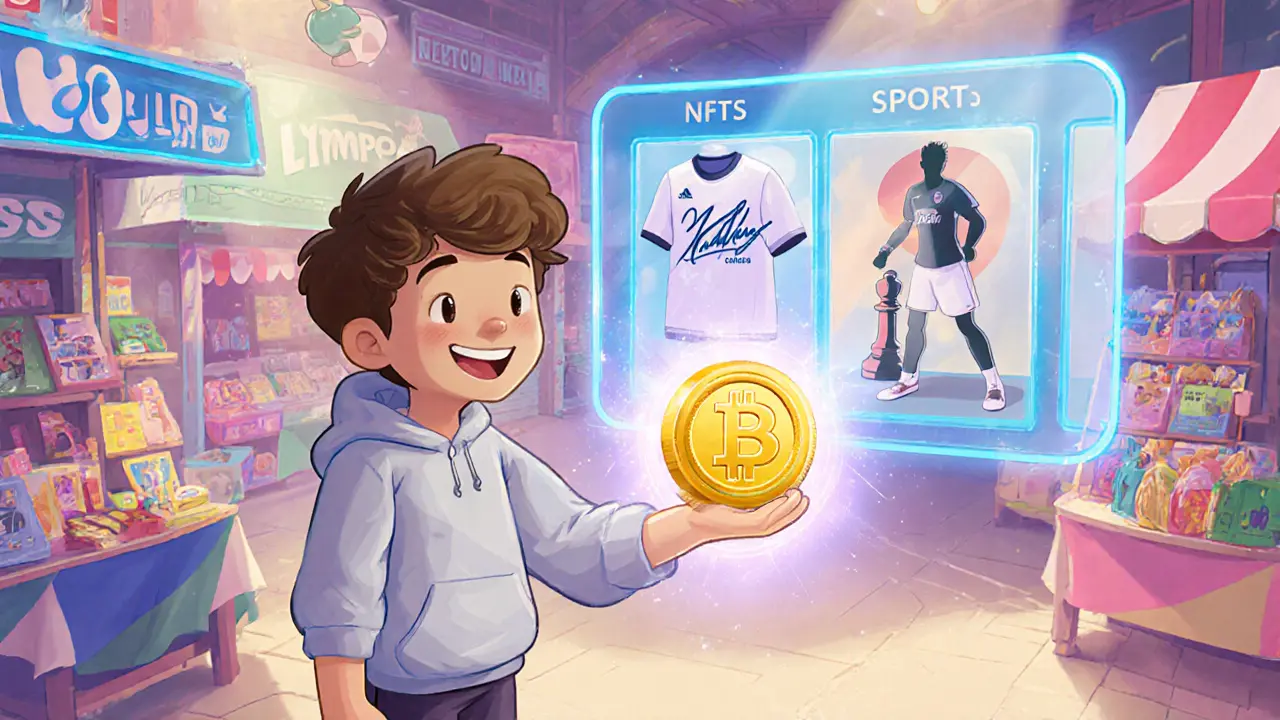
Sports NFTs add a layer of ownership that goes beyond cosmetic skins. Each NFT is a verifiable asset—think of a limited‑edition virtual jersey that can be bought, sold, or leased. Some projects let NFT holders earn a share of the game’s revenue, turning fans into stakeholders. This ownership model mirrors real‑world sports royalties, where athletes earn from merchandise sales. The rarity of each NFT is encoded in its metadata, making scarcity transparent and tradable across marketplaces.
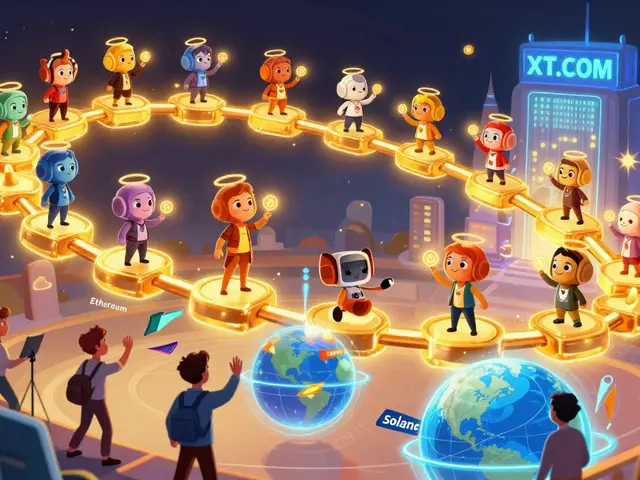
Infrastructure matters too. Most play-to‑earn sports run on layer‑2 solutions or sidechains to keep transaction fees low and latency high. Platforms like Polygon, Solana, and Immutable X provide the speed needed for fast‑paced matches, while still leveraging the security of their parent blockchains. Developers also integrate cross‑chain bridges, letting assets flow between ecosystems without losing provenance. This interoperability expands the player pool and boosts liquidity for NFTs and tokens alike.
Adoption isn’t just about tech; it’s about community. Many projects launch with influencer partnerships, real‑world sports club collaborations, or tournament prize pools funded by sponsors. These initiatives attract traditional fans who might be wary of pure crypto projects. Meanwhile, regulators are keeping an eye on how rewards are classified—some jurisdictions treat them as securities, others as taxable income. Understanding the local legal landscape is crucial for both players and developers.
Risk factors exist, too. Token price volatility can turn a lucrative reward into a loss in seconds. Smart contract bugs may expose funds to hacks, and NFT markets can suffer from low liquidity. That’s why reputable projects undergo third‑party audits, publish transparent roadmaps, and maintain active governance forums where token holders vote on upgrades.
Below you’ll find a curated collection of articles that dive deeper into each of these areas—tax considerations, exchange reviews, NFT mechanics, and more. Whether you’re a casual gamer, a serious investor, or just curious about the future of sports, the posts ahead give you practical insights to navigate the play‑to‑earn sports landscape.