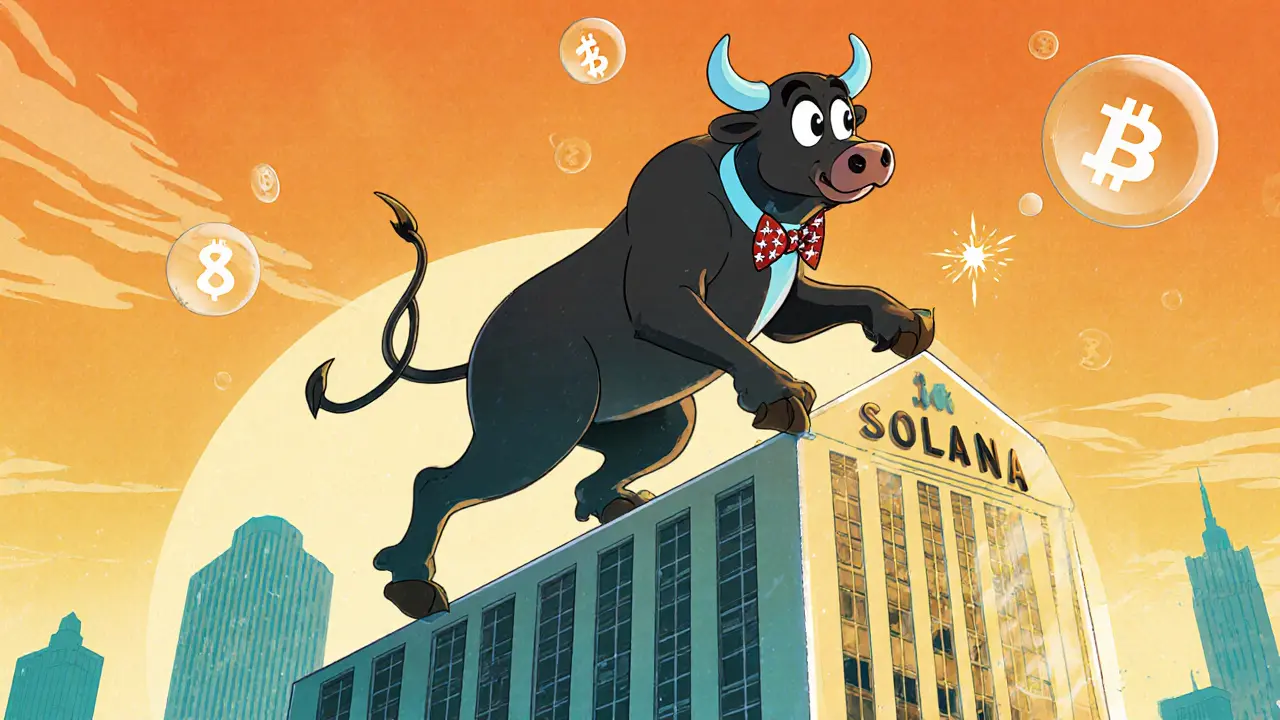
Discover what Wall Street Bull (BULL) crypto coin is, its Solana roots, price, volatility, exchange options, and why it’s considered a high‑risk investment.
High Risk Crypto: What You Need to Know
When dealing with high risk crypto, digital assets that carry unusually high volatility, regulatory uncertainty, or security weaknesses. Also called risky crypto tokens, these assets often promise big returns but can wipe out capital fast. They include high risk stablecoins, stablecoins that lack full collateral backing or operate on shaky legal grounds, crypto exchanges under bans, platforms restricted by governments for non‑compliance or fraud concerns, and crypto airdrop scams, free‑token campaigns designed to steal personal data or trick users into unsafe contracts. high risk crypto attracts attention because the upside looks huge, but the downside can be catastrophic if you ignore the warning signs.
Common Red Flags and How They Interact
One key attribute of high risk crypto is unstable tokenomics – the supply, distribution, or utility of the token often changes without clear communication. When tokenomics shift, price fluctuations spike, and investors may see huge swings in a single day. Another red flag is limited liquidity on decentralized exchanges, places where you can trade tokens without a central authority. Low liquidity means you might not be able to sell when the market turns, locking you into a loss. Regulatory bans also play a big role: governments that ban certain exchanges or token types force traders into unregulated venues, raising the chance of fraud and hacking. For example, a ban on a high‑risk stablecoin can trigger sudden price crashes, leaving holders with near‑worthless assets. Scam airdrops often target the same audience attracted to high risk crypto. The promise of free tokens tempts users to click suspicious links, share private keys, or approve malicious smart contracts. Once the contract is approved, attackers can drain wallets or use the data for money‑laundering. Because many high risk tokens exist on new or obscure blockchains, there are fewer security audits and less community oversight, making airdrop scams easier to pull off. To protect yourself, start by checking the project's compliance record. Look for clear KYC/AML policies, audit reports, and transparent roadmaps. Verify whether the token is listed on reputable exchanges rather than obscure DEXs with low trading volume. If a token claims to be a stablecoin, confirm its collateral backing and whether it is audited by a known firm. Finally, treat any airdrop that asks for private keys or wallet connections as a red flag – legit airdrops never need that information. These connections form a web: unstable tokenomics fuel price volatility, regulatory bans push traders toward risky venues, and scam airdrops exploit the excitement around big‑gain promises. Understanding how each piece influences the other helps you spot danger before you commit funds. Below you’ll find a curated set of articles that break down specific high risk crypto topics – from tax‑free opportunities in the UAE to deep‑dive reviews of risky DEXs, stablecoins, and exchange bans. Use them as a practical guide to evaluate projects, avoid scams, and make smarter decisions in this fast‑moving space.