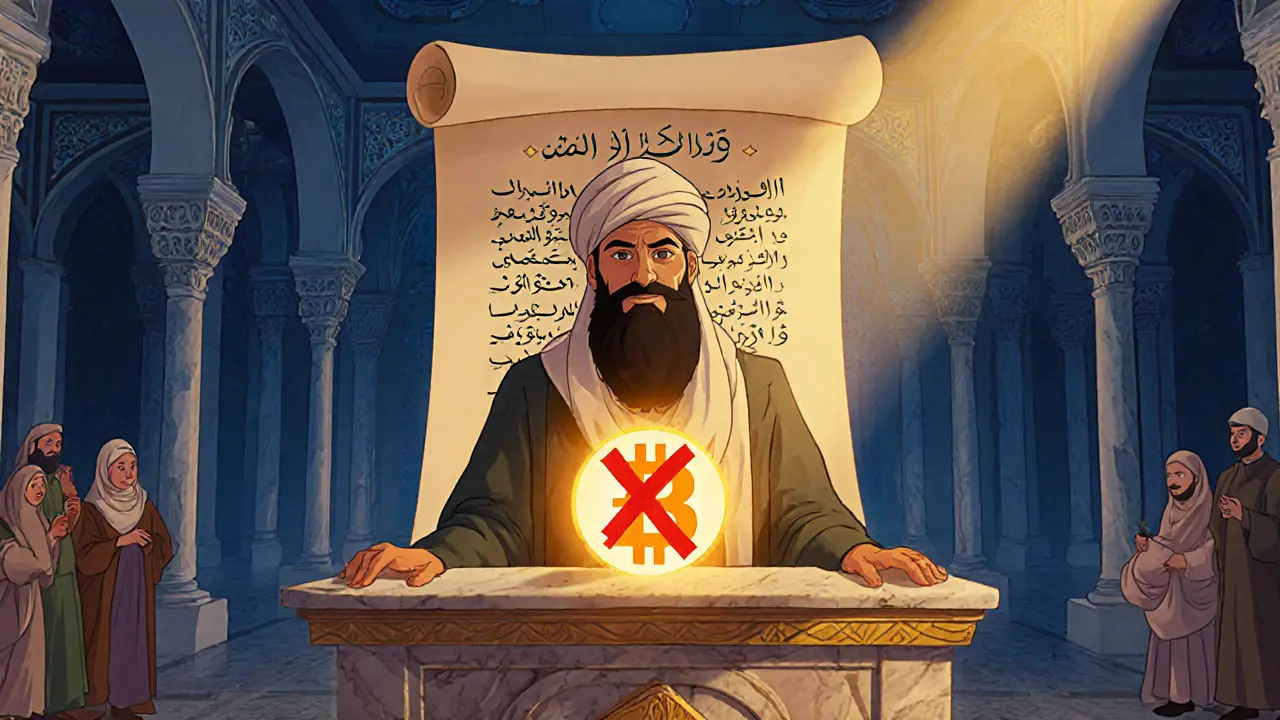
The Egyptian Grand Mufti's 2017 fatwa declares Bitcoin haram, detailing the religious, technical, and security reasons, its impact on Muslims, and how it compares to other Islamic crypto rulings.
Cryptocurrency Haram – What Islam Says About Crypto
When talking about cryptocurrency haram, the debate over whether digital money fits Islamic law. Also known as crypto haram debate, it pulls in Islamic finance, the system that follows Sharia rules on money and trade and the broader world of decentralized finance, financial services built on blockchain without traditional banks. The core question is simple: does crypto act like prohibited interest (riba), excessive uncertainty (gharar), or gambling (maysir)? Below we’ll break down the main arguments, look at real‑world fatwas, and see which tools help you stay compliant.
Key Principles Shaping the Crypto‑Haram Discussion
The debate hinges on three Sharia concepts. First, riba – any guaranteed return that isn’t tied to real‑world risk. Many view staking rewards as a form of interest, especially when the protocol promises fixed yields. Second, gharar – uncertainty or deception. Crypto’s price swings and opaque tokenomics often trigger this flag. Third, maysir – gambling‑like speculation. Buying a meme coin hoping for a moonshot can look like betting. But not every token falls into these traps. Some projects back real assets, like gold‑backed stablecoins, which can meet the “asset‑backed” test in Sharia compliance, the process of ensuring a product follows Islamic law. Fatwas from bodies like the Islamic Finance Council of North America and Malaysia’s Shariah Advisory Council have started to label certain asset‑backed tokens as permissible, while still warning against high‑risk DeFi yields.
If you’re a Muslim investor, the practical side matters. Look for projects that publish a clear token‑backing audit, avoid guaranteed APY that seems too good to be true, and check if a reputable Sharia board has issued a certificate. Crypto regulation, government rules that shape how tokens can be offered and traded also plays a role – regulated exchanges often enforce KYC, reducing fraud risk, which aligns with the Islamic principle of transparency. Meanwhile, tax considerations differ by country; for instance, the UAE offers zero crypto taxes, making it attractive for those seeking both compliance and tax efficiency.
In short, the cryptocurrency haram question isn’t a single yes‑or‑no answer. It depends on the token’s structure, the platform’s transparency, and whether a qualified Sharia board has given its nod. Below you’ll find guides that unpack specific tokens, review exchange compliance, and walk you through the steps to make informed, faith‑aligned choices.