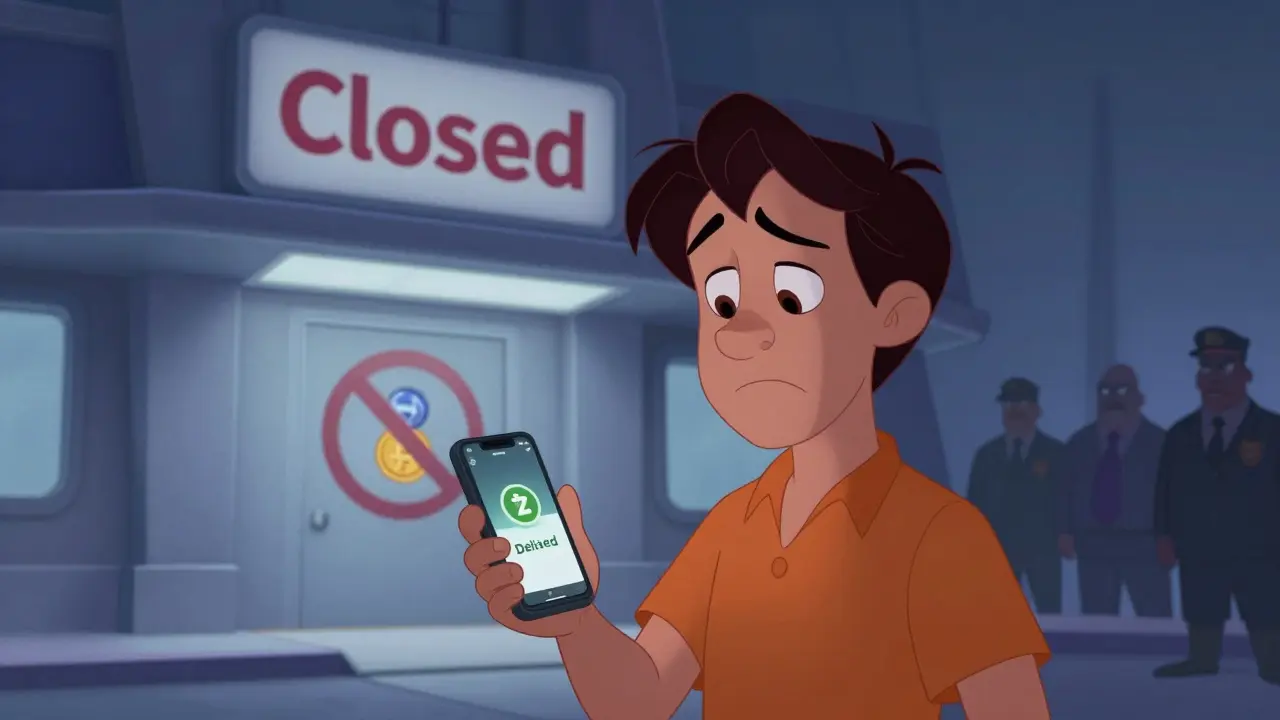
If you are an Australian crypto holder who relies on Monero or Zcash, the landscape has shifted dramatically. As of May 2025, major local platforms have largely stopped offering these assets. But here is the crucial distinction that confuses many users: owning privacy coins is not illegal in Australia. The ban applies to how licensed exchanges handle them.
This article breaks down exactly what has changed, why regulators like AUSTRAC and ASIC are cracking down, and what options remain for traders who value financial privacy. We will look at the global context, the technical reasons behind the restrictions, and the practical steps you can take moving forward.
The Current State of Privacy Coins in Australia
To understand the situation in 2026, we need to look at the dual regulatory framework governing digital assets in Australia. On one side, you have individual ownership. The law does not prohibit you from holding private keys to a wallet containing XMR (Monero) or ZEC (Zcash). You can mine them, receive them as payment, or hold them long-term without breaking any federal laws.
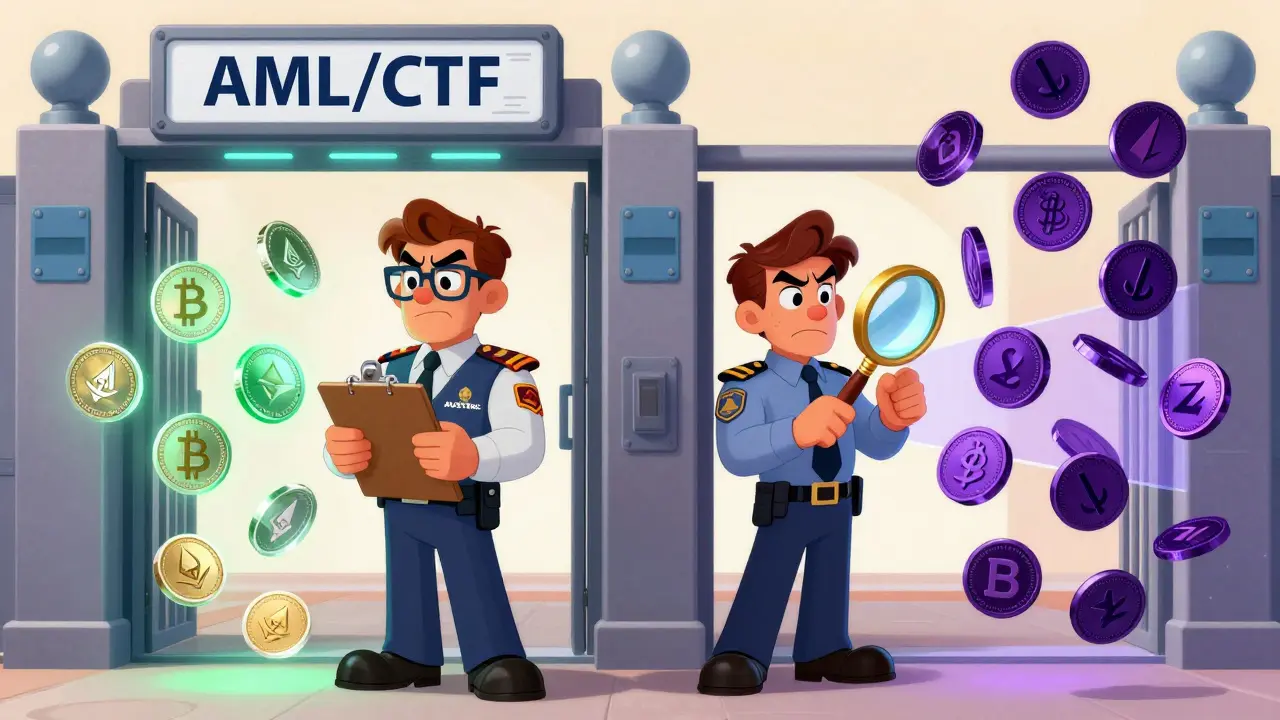
On the other side, you have the exchange environment. This is where the friction occurs. Australian cryptocurrency exchanges operate under strict Anti-Money Laundering and Counter-Terrorism Financing (AML/CTF) obligations. These rules require platforms to know who their customers are and where their money comes from. Privacy coins, by design, obscure this information.
In 2025, this tension reached a breaking point. Data from the Independent Digital Assets Exchange (IDAX) showed that 78% of institutional clients actively supported the removal of privacy coins from listings. Why? Because keeping these assets listed created significant compliance risks for the exchanges themselves. If an exchange cannot verify the source of funds for a privacy coin transaction, they risk losing their license or facing massive fines.
Consequently, most major Australian exchanges have delisted these tokens. It is not necessarily because a specific law says "no Monero," but because the cost of compliance outweighs the revenue from trading these assets. This creates a de facto ban for retail users who rely on centralized platforms.
Key Regulators: ASIC and AUSTRAC
Two bodies drive this enforcement: the Australian Securities and Investments Commission (ASIC) and the Australian Transaction Reports and Analysis Centre (AUSTRAC). Understanding their roles helps clarify why exchanges are so cautious.
- AUSTRAC: This agency oversees digital currency exchange providers under the AML/CTF Act 2006. They focus on tracking suspicious transactions. From March 31, 2026, their scope expands to cover all digital asset service providers, tightening the net further. AUSTRAC has already cancelled registrations for non-compliant exchanges, sending a clear message to the industry.
- ASIC: This regulator ensures that financial products are offered fairly and transparently. While they don't directly police AML issues, they scrutinize whether crypto services qualify as financial products. Recent actions against unlicensed providers show that ASIC is watching closely. Exchanges fear that handling opaque assets could lead to broader legal scrutiny.
The combination of these two regulators means that exchanges must balance innovation with strict adherence to transparency laws. For privacy coins, the scale tips heavily toward restriction.
Why Privacy Coins Are Problematic for Compliance
You might wonder why standard cryptocurrencies like Bitcoin aren't treated the same way. The answer lies in technology. Bitcoin transactions are public; anyone can trace the flow of funds on the blockchain. Privacy coins use advanced cryptographic techniques to hide sender, receiver, and amount details.
| Cryptocurrency | Transaction Visibility | Compliance Ease | Primary Privacy Feature |
|---|---|---|---|
| Bitcoin (BTC) | Fully Public | High | Pseudonymous addresses |
| Ethereum (ETH) | Fully Public | High | Smart contract visibility |
| Monero (XMR) | Obscured | Low | Ring signatures, stealth addresses |
| Zcash (ZEC) | Selective Obscuration | Medium-Low | Zero-knowledge proofs (zk-SNARKs) |
Features like ring signatures in Monero mix your transaction with others to hide the true sender. Zero-knowledge proofs in Zcash allow verification without revealing data. While these features protect user privacy, they make it nearly impossible for exchanges to perform mandatory customer due diligence. Financial authorities argue that this opacity facilitates illicit activities, such as money laundering and ransomware payments.
The US Internal Revenue Service even offered a $625,000 bounty for anyone who could break Monero's privacy features, highlighting the global concern over these technologies. In Australia, regulators view this lack of transparency as an insurmountable hurdle for licensed entities.
Global Context: Is Australia Unique?
Australia is not acting alone. The restriction of privacy coins is part of a worldwide trend. In 2025, 73 exchanges globally delisted privacy coins, a 43% increase from 2023. Let's look at how other regions compare.
- Japan: Implemented a complete ban in 2018. All registered exchanges ceased support following guidance from the Financial Services Agency. Japan takes a zero-tolerance approach.
- South Korea: Top exchanges like Upbit and Bithumb removed privacy coins in early 2025 to align with stricter financial oversight.
- European Union: A comprehensive ban on privacy coins and anonymous accounts is scheduled for July 2027 under new Anti-Money Laundering Regulations.
- United States: Major platforms like Binance and Kraken have delisted these assets from US-facing services due to pressure from the Treasury Department and FINTRAC.
Australia's approach is moderately restrictive. It doesn't ban ownership outright like Japan, but it restricts access through regulated channels more aggressively than some European jurisdictions currently do. This places Australia in line with the global consensus among developed nations: privacy coins pose too high a risk for traditional financial infrastructure.
Impact on Users and Market Liquidity
For the average trader, the immediate impact is reduced liquidity. When major exchanges remove a token, trading volume drops. Globally, Binance's delisting of privacy coins in February 2025 impacted an estimated $600 million in daily trading volume. In Australia, this means wider bid-ask spreads and harder execution for those still trying to trade.
User behavior has also shifted. Peer-to-peer (P2P) markets like LocalMonero saw a 19% uptick in activity following global delistings. However, P2P trading carries its own risks. You face counterparty risk (the other person might not deliver), price volatility during negotiation, and potential legal complications if you are perceived as facilitating unregulated financial activity.
Institutional investors, on the other hand, often welcome these changes. Many banks and corporate treasuries view the removal of privacy coins as a positive step. It reduces regulatory uncertainty and makes it easier for them to adopt mainstream cryptocurrencies like Bitcoin and Ethereum. The "cleaner" market appeals to conservative capital.

Future Outlook: What Comes After 2026?
Looking ahead, the trend points toward tighter controls. With AUSTRAC expanding its scope to all digital asset service providers by March 2026, informal restrictions may become formalized policy. Exchanges will likely continue to self-censor, removing any asset that complicates their AML reporting.
Could technology adapt? Some experts suggest privacy coins might introduce "compliance modes" where transactions are visible to authorized auditors but hidden from the public. However, purists argue this defeats the purpose of privacy coins. If you can opt-in to transparency, it’s no longer truly private.
For now, the viability of privacy coins in Australia depends on niche usage. They will likely survive in underground economies or among dedicated privacy advocates using decentralized exchanges (DEXs) and P2P networks. But for the mainstream retail investor, the era of buying Monero on a local app is effectively over.
Practical Steps for Australian Users
If you hold privacy coins or want to acquire them, consider these realistic options:
- Use Decentralized Exchanges (DEXs): Platforms that operate without central intermediaries are less susceptible to local bans. However, using DEXs requires technical knowledge and exposes you to smart contract risks.
- Peer-to-Peer Trading: Connect directly with other individuals. Use escrow services if available, but be aware of the higher fraud risk compared to regulated exchanges.
- International Exchanges: Some offshore platforms may still list these assets. Be cautious about tax implications and lack of consumer protection if disputes arise.
- HODL Strategy: If you already own privacy coins, holding them in a secure cold wallet remains legal. Avoid frequent trading to minimize attention from regulatory algorithms.
Always consult with a qualified financial advisor or legal expert before engaging in complex crypto strategies. The regulatory landscape is evolving rapidly, and mistakes can be costly.
Is it illegal to own privacy coins in Australia?
No, owning privacy coins like Monero or Zcash is not illegal for individuals in Australia. The restrictions apply to licensed exchanges and financial institutions, which are prohibited from facilitating trades due to anti-money laundering compliance requirements.
Why did Australian exchanges delist privacy coins?
Exchanges delisted privacy coins because their anonymity features make it difficult to comply with Anti-Money Laundering (AML) and Counter-Terrorism Financing (CTF) laws. Regulators like AUSTRAC require exchanges to identify users and monitor transactions, which privacy coins obscure.
Can I buy Monero on CoinSpot or Binance Australia?
As of 2025-2026, most major Australian-regulated exchanges, including CoinSpot and Binance's Australian entity, have delisted privacy coins. You will likely need to use peer-to-peer methods or decentralized exchanges to acquire them.
What happens if I trade privacy coins illegally?
While owning them is legal, using unregulated channels to trade large volumes could attract regulatory scrutiny. If you fail to report taxable gains or engage in money laundering, you face severe penalties under Australian law. Always declare crypto income to the ATO.
Will privacy coins ever return to Australian exchanges?
It is unlikely in the near future. With AUSTRAC expanding its oversight to all digital asset providers by March 2026, compliance costs will remain high. Unless privacy coins develop technology that satisfies both privacy needs and regulatory transparency, exchanges will avoid listing them.