Have you heard the buzz about the GameFi Protocol a potential partnership with CoinMarketCap for a major token distribution event involving the GFI token? It is easy to get swept up in the hype. The crypto world moves fast, and every few weeks, a new project claims it will change the game. But before you spend hours completing tasks or risking your funds, you need the cold, hard facts. Is this real? How do you qualify? And most importantly, what exactly are you getting?
If you are looking for a straightforward breakdown of the GameFi Protocol (GFI) and its rumored connection to CoinMarketCap the leading cryptocurrency price tracking platform that occasionally hosts promotional events, you have come to the right place. We will cut through the noise, verify the details, and give you a clear path forward.
What Is GameFi Protocol (GFI)?
First things first: let’s define what we are actually talking about. GameFi, short for Gaming Finance, is a sector where blockchain technology meets video games. Instead of playing for fun alone, players can earn rewards, often in the form of cryptocurrencies or NFTs. This model, often called "play-to-earn," has exploded in popularity since 2021.
GameFi Protocol is a conceptual framework or specific project aiming to standardize or enhance interoperability within blockchain gaming ecosystems. While many projects use the term "protocol" loosely, a true protocol usually provides the underlying infrastructure that allows different games to share assets or data. The token associated with this ecosystem is GFI the native utility token for the GameFi Protocol ecosystem.
However, there is a critical distinction to make. There are dozens of projects with similar names. Some are legitimate protocols building on Ethereum or Binance Smart Chain. Others are smaller initiatives trying to ride the wave. When discussing an airdrop, specificity is everything. You must know exactly which contract address and team you are dealing with.
The CoinMarketCap Connection Explained
Now, let’s address the elephant in the room: CoinMarketCap a platform owned by Binance that tracks cryptocurrency prices and market data. Why does everyone mention them in relation to airdrops?
CoinMarketCap does not typically "give away" tokens directly from their own treasury. Instead, they host campaigns. Projects pay to be featured on the CMC homepage or in their newsletter, and as part of that promotion, the project distributes tokens to users who engage with the campaign. These engagements might include:
- Following the project on social media.
- Joining a Discord server.
- Listing a wallet address on the campaign page.
In the past, major GameFi expos hosted by partners like Binance Smart Chain featured significant airdrops tracked via CoinMarketCap. For example, events in late 2021 distributed hundreds of thousands of dollars worth of tokens to participants. However, these were organized, transparent events with clear rules.
If you see a claim that "CoinMarketCap is giving away GFI," pause. Check the source. Is it an official announcement on the CoinMarketCap blog or their verified campaign hub? Or is it a tweet from an unverified account? Impersonation is rampant in the crypto space. Scammers create fake landing pages that look identical to CoinMarketCap to steal private keys or seed phrases.
How to Verify If the Airdrop Is Legitimate
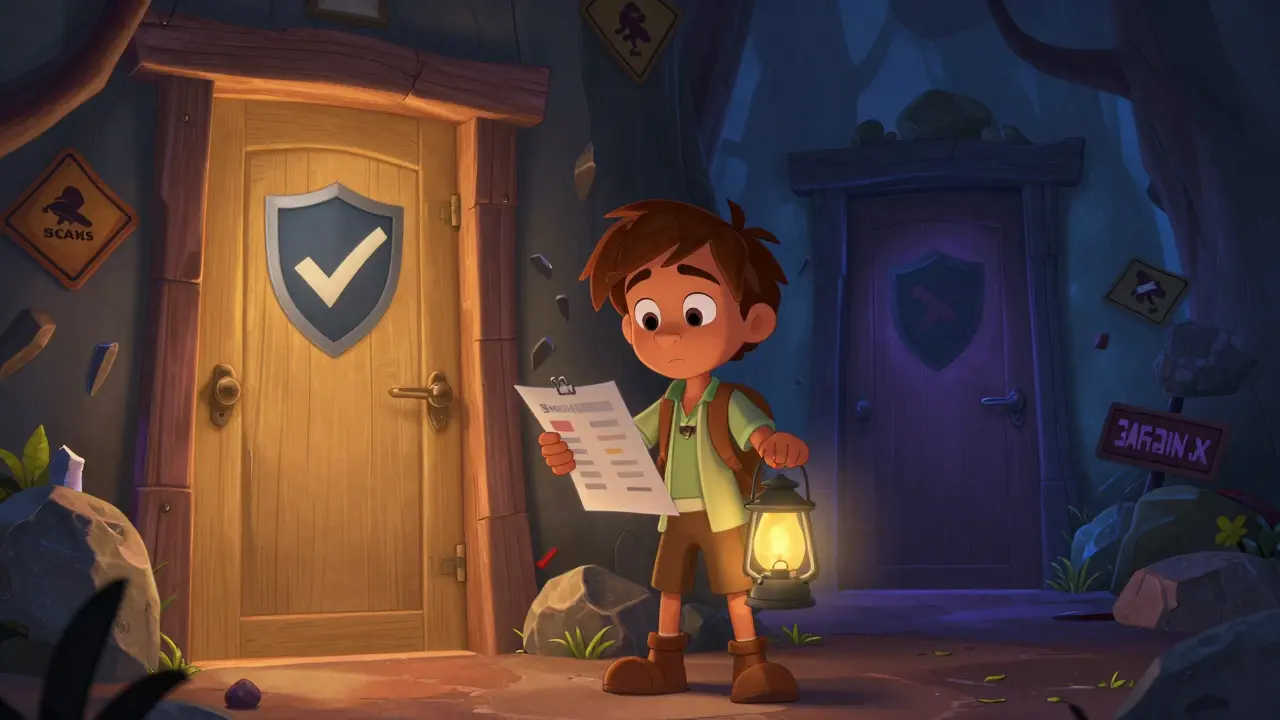
Before you connect your wallet, you need to run a verification check. Here is how professional investors approach potential airdrops.
- Check Official Channels: Go directly to the GameFi Protocol’s official website and Twitter/X account. Look for announcements pinned at the top. If the main channel doesn’t mention it, it likely doesn’t exist.
- Inspect the URL: Ensure you are on
coinmarketcap.comand not a lookalike domain likecoin-market-cap-airdrop.com. One wrong letter can cost you everything. - Look for Community Validation: Search Reddit or Telegram groups dedicated to GameFi. Are other experienced users talking about this specific GFI drop? If the only mentions are from bot-like accounts, stay away.
- Review the Token Contract: If a contract address is provided, paste it into a block explorer like Etherscan or BscScan. Check if the contract is verified. Unverified contracts are a massive red flag.
Step-by-Step: How to Participate Safely
Assuming you have verified that the GameFi Protocol (GFI) airdrop is legitimate and officially partnered with CoinMarketCap, here is how you should proceed. Safety is your priority.
1. Prepare a Dedicated Wallet
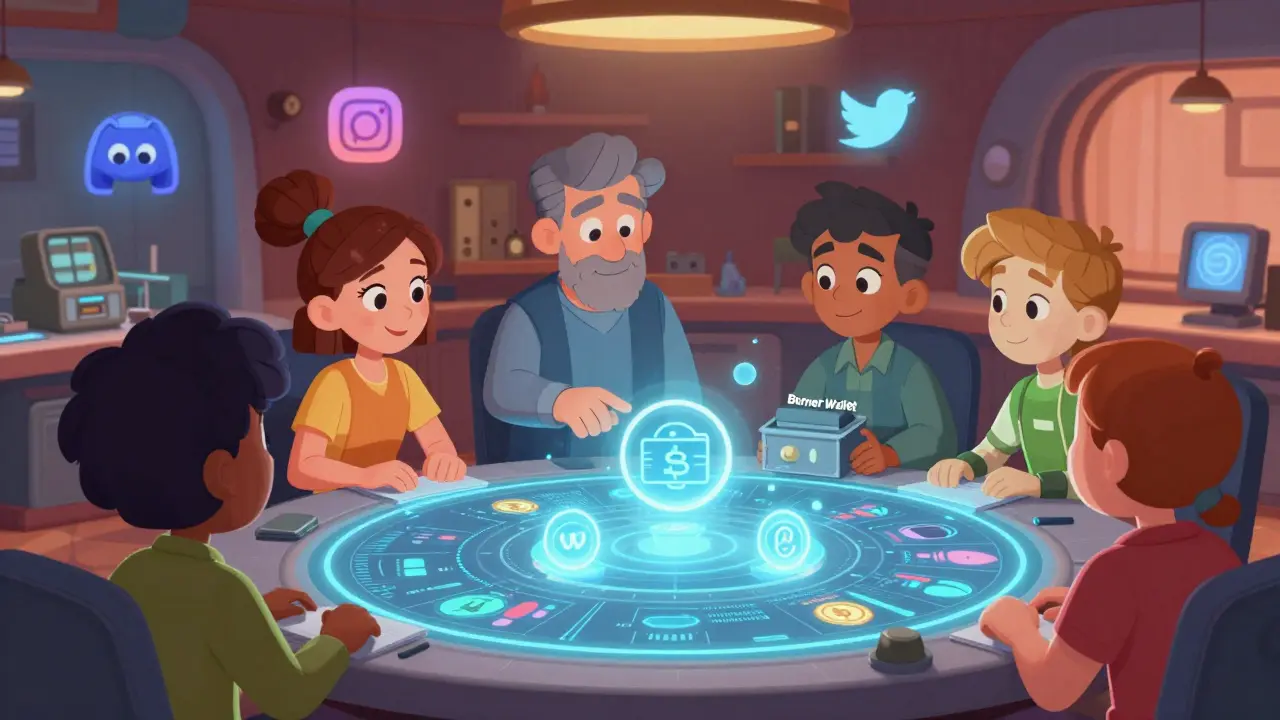
Never use your primary wallet-the one holding your life savings-for airdrops. Use a separate "burner" wallet. MetaMask a popular browser extension and mobile app for managing Ethereum-based cryptocurrencies is a common choice. Create a new wallet, save the seed phrase offline (never digitally), and fund it with a small amount of ETH or BNB for gas fees.
2. Complete Campaign Tasks
Most CoinMarketCap-hosted campaigns require simple social interactions. You might need to:
- Follow the GameFi Protocol account on Twitter.
- Like and retweet a specific post.
- Join their official Discord community.
Take screenshots of each step. Sometimes, manual verification is required, and proof helps resolve disputes.
3. Submit Your Wallet Address
You will likely be asked to input your public wallet address. Remember: your public address is safe to share; your private key is never safe to share. If a site asks for your seed phrase or private key during an airdrop registration, close the tab immediately. That is a scam.
4. Wait for Distribution
Airdrops are rarely instant. They often happen in batches after the campaign ends. Be patient. Do not click on links claiming your reward is ready unless you receive notification from the official source.
Understanding the Value of GFI Tokens
Why do projects do airdrops? It is marketing. They want to distribute their token to a wide audience to create liquidity and community interest. But what is the actual value of GFI the utility token used for governance, staking, or in-game transactions within the GameFi Protocol?
The value depends on several factors:
- Tokenomics: How many GFI tokens exist? What percentage is being airdropped? If the supply is infinite, the token is worthless.
- Utility: Can you use GFI to buy in-game items? To vote on protocol upgrades? Tokens with real utility tend to hold value better than those without.
- Market Sentiment: Even great projects can fail if the broader crypto market is in a bear phase.
Do not expect to get rich overnight. Most airdrops result in modest gains-perhaps $10 to $100 per wallet. Treat it as a bonus, not a salary.
Common Pitfalls to Avoid
I have seen too many people lose money chasing free tokens. Here are the traps to avoid.
| Red Flag | What It Means | Action to Take |
|---|---|---|
| Requests Private Key | Immediate theft attempt | Disconnect wallet and delete site |
| No Official Announcement | Likely a rumor or scam | Ignore until verified by project |
| Urgency Tactics | Pressure to act without thinking | Pause and research thoroughly |
| Unverified Contract | Code may contain malicious functions | Do not interact with the contract |
Another common issue is "sybil filtering." Projects often limit airdrops to one wallet per person. If you try to cheat by creating multiple wallets, you might get banned entirely. Stick to one clean wallet history.
What Happens After the Airdrop?
Once the GFI tokens land in your wallet, you have choices. You can hold them, hoping the project succeeds. You can swap them for stablecoins like USDT to lock in profits. Or you can burn them if the project has no future.
Consider the long-term vision of GameFi Protocol. Are they building sustainable games? Are they partnering with established studios? If yes, holding might make sense. If the project seems hollow, take the profit and move on.
The crypto landscape is evolving rapidly. By mid-2026, regulations around airdrops are becoming stricter. Ensure you understand the tax implications in your country. In many jurisdictions, receiving an airdrop is considered taxable income at the fair market value on the day of receipt.
Final Thoughts on GameFi Opportunities
The intersection of gaming and finance is promising, but it is also fraught with risk. The GameFi Protocol (GFI) and its potential CoinMarketCap partnership represent just one piece of this puzzle. Always prioritize security over speed. Verify every link. Protect your private keys. And remember: if it sounds too good to be true, it almost certainly is.
Stay informed, stay skeptical, and play smart. The best players in crypto are those who manage risk effectively, not just those who chase the highest rewards.
Is the GameFi Protocol (GFI) airdrop real?
As of July 2026, there is no widely confirmed, official announcement from CoinMarketCap regarding a specific exclusive airdrop for a project solely named "GameFi Protocol" with the symbol GFI. Many projects use similar names. You must verify any such claim through the official CoinMarketCap campaign hub and the project's verified social media channels. If it is not listed on the official CMC site, treat it with extreme caution as it may be a scam.
How do I participate in CoinMarketCap airdrops safely?
To participate safely, always access the campaign through the official CoinMarketCap website. Use a secondary "burner" wallet that contains only a small amount of funds for gas fees. Never share your private key or seed phrase. Complete only the required social tasks, such as following accounts or joining Discords, and submit your public wallet address. Keep screenshots of your participation for verification purposes.
What is GameFi Protocol?
GameFi Protocol generally refers to infrastructure projects that aim to improve interoperability between different blockchain games. The goal is to allow players to use assets across multiple platforms. However, the term is generic, and many different projects claim this title. Always check the specific whitepaper and team behind the project you are interested in to ensure it is a legitimate entity.
Are airdrops taxable?
In many countries, including the United States and parts of Europe, receiving cryptocurrency via an airdrop is considered taxable income. The value is calculated based on the fair market price of the token at the time you received it. You should consult with a local tax professional to understand your specific obligations, as regulations vary by jurisdiction.
Can I get rich from a GFI airdrop?
It is highly unlikely. Most airdrops distribute small amounts of tokens to thousands of users. While some early airdrops from major projects have been valuable, the average return is modest. Treat airdrops as a low-effort bonus rather than a primary investment strategy. Focus on projects with strong fundamentals if you seek significant returns.