
Everyone loves free money, but in the crypto world, "free" usually means you have to work for it first. If you've been hearing whispers about RVLVR or Revolver Token, you're probably wondering if you missed out or if there's still time to jump in. The hype around new gaming tokens is intense right now, especially with projects like Off The Grid's $GUN making waves on Avalanche. But RVLVR is carving its own niche. Whether you are a gamer looking to monetize your playtime or a trader hunting for early entry points, understanding the mechanics of this specific airdrop is crucial before you connect your wallet.
What Exactly Is the RVLVR Airdrop?
At its core, an airdrop is a marketing strategy where a project distributes free tokens to users to build a community and decentralize ownership. For Revolver Token (RVLVR), this isn't just about dumping coins into wallets. It’s typically tied to specific user actions that prove engagement. Unlike the massive, complex launches seen with major AAA games like those backed by Gunzilla Games, smaller or mid-tier projects often use simpler criteria to ensure their initial holders are actually interested in the ecosystem.
You might be asking, "Why should I care?" Because early participation often grants you governance rights or access to premium features once the token goes live. If you ignore the details now, you might find yourself holding a bag of worthless tokens later, or worse, missing out entirely because you didn't verify your identity or complete a simple task. The key here is specificity. General crypto knowledge won't save you; you need the exact steps for RVLVR.
Eligibility Criteria: Who Gets the Tokens?
Not everyone gets paid. Most successful airdrops, including those similar to the recent trends seen in 2025, filter participants based on activity. While specific data for RVLVR can shift as the project matures, standard eligibility usually falls into three buckets:
- Early Adopters: Users who interacted with the testnet or beta version of the game/platform before the main launch.
- Social Contributors: People who actively promoted the project on X (formerly Twitter), Discord, or Telegram during the pre-launch phase.
- Holders: Users who held a specific amount of a related asset or staked their existing crypto in the project’s protocol.
If you were active in the gaming crypto space in late 2024 or early 2025, check your transaction history. Did you bridge assets to a specific chain? Did you mint an NFT associated with the Revolver ecosystem? These are common markers. Don't guess-verify. Projects like Delphi Ventures-backed initiatives often have clear, documented lists of eligible addresses. For RVLVR, look for any snapshot dates announced on their official channels.
How to Check Your Eligibility and Claim
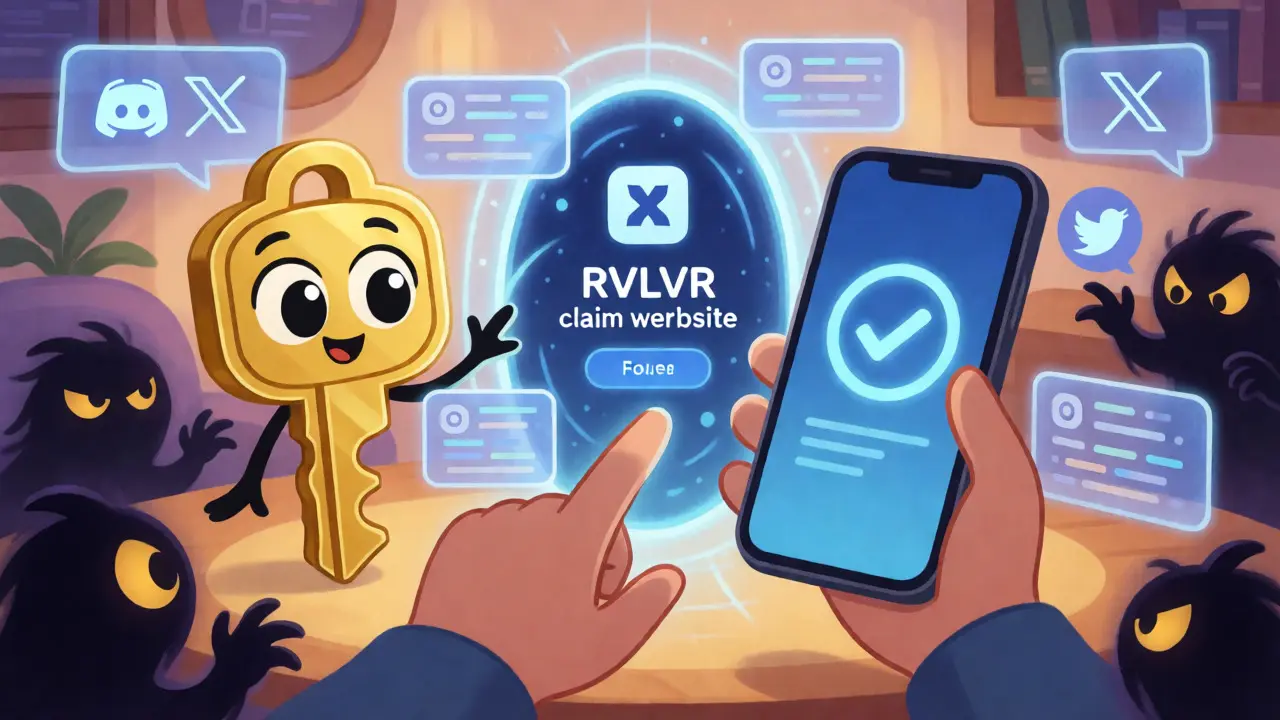
Once you think you qualify, the next step is verification. This is where scams love to lurk. Always use the official website linked from their verified social media accounts. Never click links sent via DMs promising "instant claims."
- Connect Your Wallet: Use MetaMask, Phantom, or whichever wallet the project supports. Ensure you’re on the correct network (likely Ethereum, Polygon, or Solana, depending on the tech stack).
- Sign the Verification Message: You’ll likely need to sign a message proving you own the private keys to the address. This doesn’t cost gas fees.
- Review Allocation: The dashboard will show how many RVLVR tokens you are entitled to. Note that allocations vary based on tier levels (e.g., Bronze, Silver, Gold contributors).
- Execute the Claim: Click claim, approve the transaction, and pay the small network fee. Wait for confirmation on the block explorer.
If the claim button is greyed out, don’t panic. It might mean the claim window hasn't opened yet, or you need to complete a final KYC (Know Your Customer) step. Many modern airdrops require basic identity verification to comply with regulations, especially if the token has utility in regulated markets.
Tokenomics and Market Context
Understanding the supply helps you predict price action. In the current market, we see a trend toward low circulating supply and high Fully Diluted Valuation (FDV). This gives teams more control but can lead to volatility when vesting schedules unlock. For RVLVR, keep an eye on the total supply versus what’s circulating at launch. If only 10% is circulating, expect significant sell pressure as insiders and early investors cash out over the next 12-24 months.
| Feature | RVLVR (Revolver Token) | $GUN (Off The Grid) | Standard DeFi Airdrop |
|---|---|---|---|
| Primary Driver | Gaming Utility & Community Engagement | Mainnet Launch & Gameplay | Liquidity Provision |
| Claim Method | Portal-based, likely tiered | In-game integration | Direct contract call |
| Vesting | Expected linear unlocks | Cliff + Linear | Immediate or short cliff |
| Network | To be confirmed (Check Official Docs) | Avalanche Subnet | Ethereum/Solana/BSC |
Pitfalls to Avoid When Participating
The biggest mistake people make is ignoring the fine print. Here are three traps to watch out for:
- Fake Websites: Scammers create pixel-perfect clones of airdrop pages. If the URL looks slightly off (e.g., `revolver-token-airdrop.com` instead of `revolver.io`), close the tab.
- Gas Fee Traps: Some sites ask you to send ETH to "pay for gas" before claiming. Real claims deduct gas from your balance automatically. Never send funds upfront unless it's a known minting process.
- Wallet Drainers: Be cautious about signing unlimited approvals. If a site asks for permission to spend all your USDC, deny it unless necessary. Revoke unused approvals regularly using tools like Revoke.cash.
What to Do After You Claim
Getting the tokens is half the battle. What do you do next? If you believe in the long-term vision of the Revolver ecosystem, consider staking them. Staking often yields higher rewards than simply holding in a wallet. Alternatively, if you're a trader, monitor the liquidity pools on decentralized exchanges (DEXs) like Uniswap or Raydium. Low liquidity at launch can cause wild price swings, so use limit orders rather than market orders to avoid slippage.
Also, stay engaged. Airdrops are often the beginning, not the end. Active community members frequently get access to future drops, exclusive NFT mints, or beta tests for upcoming game updates. Silence after claiming is a missed opportunity.
Is the RVLVR airdrop completely free?
Yes, the tokens themselves are free. However, you must pay network gas fees to execute the claim transaction on the blockchain. This cost varies depending on network congestion but is usually minimal on chains like Polygon or Solana compared to Ethereum Mainnet.
What happens if I miss the claim deadline?
Typically, unclaimed tokens are returned to the project treasury or redistributed. Some projects offer a grace period, but this is rare. Always check the official announcement for the specific cut-off date and time (usually UTC).
Do I need to pass KYC to receive RVLVR?
It depends on the project's compliance requirements. Many gaming tokens skip strict KYC for small amounts, but larger allocations or exchange listings may require identity verification. Check the claim portal for prompts to upload ID documents.
Can I trade RVLVR immediately after claiming?
If the token is listed on DEXs or CEXs, yes. However, some airdrops have a vesting schedule where only a portion of tokens is liquid at launch. Check the tokenomics section of the whitepaper to see if your allocation is fully unlocked.
Which wallet should I use for the RVLVR claim?
Use the same wallet address that performed the eligible actions (gaming, staking, etc.). If you used multiple wallets, you may need to claim separately for each. Popular choices include MetaMask for EVM chains and Phantom for Solana.