
In 2026, if you are relying solely on a password and a six-digit code sent via SMS, you might as well be leaving your front door unlocked. We talk about digital security all the time, but for most people, the conversation stops at setting up something called Two-Factor Authentication (2FA). While that upgrade was essential years ago, modern threats have evolved past simple code entry. Multi-Factor Authentication (MFA) represents the next evolution-a security framework that goes beyond the standard two-step process to wrap your digital identity in multiple layers of defense.
Understanding the Gap Between 2FA and True MFA
There is often confusion because vendors label almost any second step as "2FA," even when it isn't secure enough. Technically, Two-Factor Authentication is a subset of Multi-Factor Authentication (MFA). The distinction matters immensely when you are dealing with sensitive data like cryptocurrency wallets or corporate systems.
2FA strictly requires exactly two distinct pieces of evidence to verify who you are. Usually, this means a username/password pair combined with something like a text message code. However, MFA implies flexibility and adaptability. It can pull together three, four, or even five different factors simultaneously depending on the perceived risk level. For example, accessing your trading platform from a known home IP address might only trigger one factor, but logging in from a new country using a browser you haven't used before could instantly require a biometric scan, a hardware key, and a passcode.
The real value lies in this scalability. If an attacker manages to steal your password and somehow intercepts your SMS code-a method known as SIM swapping-they still hit a wall with robust MFA because the system demands a physical object or a biological trait that they simply cannot replicate remotely. Phishing attacks remain the primary tool for hackers, and while SMS 2FA mitigates some risks, it is vulnerable to social engineering. Advanced MFA integrates dynamic signals that make these attacks significantly harder to pull off.
The Five Layers of Defense
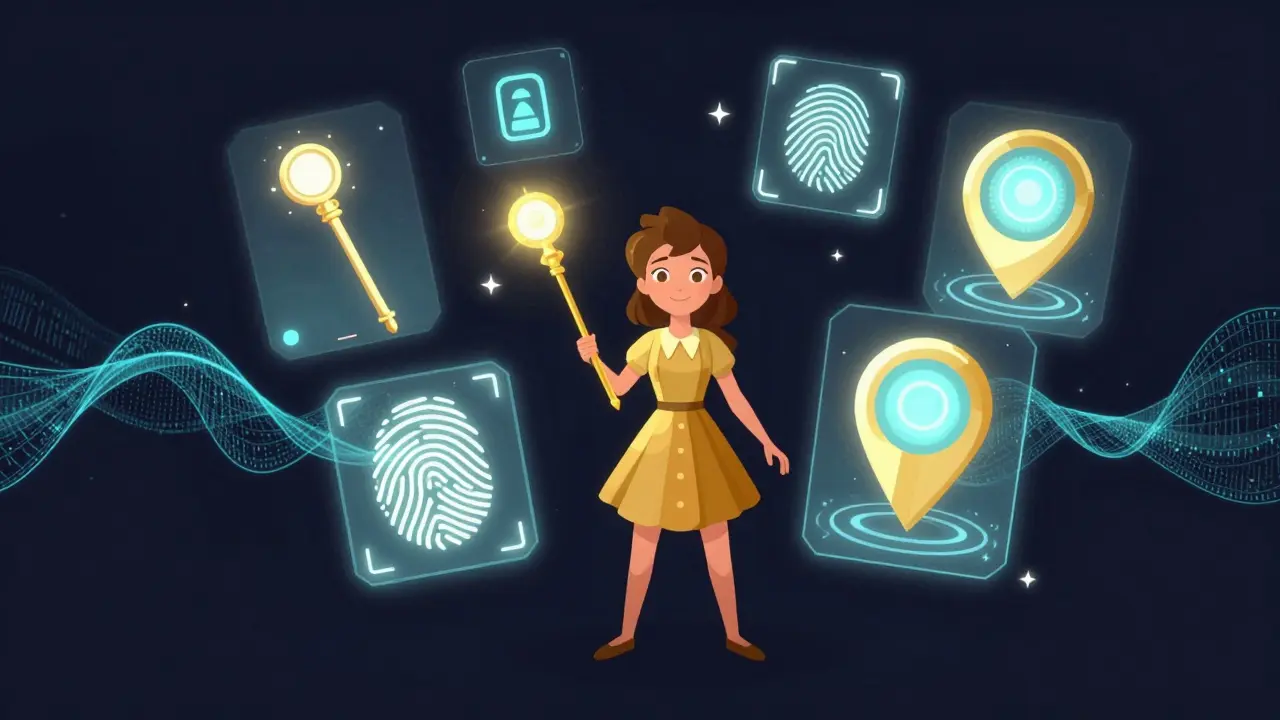
To understand how to go "beyond" 2FA, you need to grasp the types of evidence security systems accept. These fall into specific categories, and combining them creates the strongest possible lock on your account.
- Something You Know: This is the classic realm of passwords, PINs, or security questions. Despite being the foundation, it is also the weakest link because humans are prone to guessing errors and reuse. When used alone, it offers little protection against credential stuffing.
- Something You Have: This covers physical tokens, such as YubiKeys, smartphone authenticator apps generating time-based codes, or even the phone itself receiving a push notification. This is the standard second factor, but physical theft remains a concern.
- Something You Are: Biometric Authentication utilizes unique biological traits like fingerprints, facial geometry, or iris patterns. This is powerful because these traits cannot be easily shared or guessed, though privacy advocates sometimes worry about the storage of such sensitive data.
- Somewhere You Are: Geolocation checks verify that the login attempt matches your typical location. If your laptop suddenly tries to connect from a server farm halfway across the world when you are in Bristol, the system flags this anomaly immediately.
- Something You Do: Behavioral analytics look at how you interact with a device-typing speed, mouse movement patterns, or swiping angles. Machine learning algorithms track these habits to distinguish the legitimate user from someone trying to mimic their credentials.
A truly effective system beyond basic 2FA does not just ask for two things; it intelligently selects the right combination based on context. This approach minimizes friction for the user while maximizing hurdles for the intruder.
Relevance to Blockchain and Cryptocurrency
For anyone holding digital assets, the stakes are uniquely high. Traditional banking accounts offer insurance if fraud occurs. If your crypto wallet is drained, the transaction is final. This reality makes advanced authentication critical for Blockchain Security.
We see this play out frequently with exchange accounts and cold wallet backups. A sophisticated attack might involve phishing emails that trick a user into approving a withdrawal request through a compromised 2FA app. By implementing multi-factor authentication that includes a hardware signing device or a separate approval channel, you neutralize this risk. Even if a hacker has your software credentials, they lack the physical hardware required to sign the transaction.
Furthermore, the rise of Decentralized Finance (DeFi) introduces smart contract interactions that often require signature verification. Advanced MFA protocols can extend here too, requiring additional confirmation steps before executing complex on-chain commands. As regulatory bodies like the Cybersecurity and Infrastructure Security Agency (CISA) warn that single-factor authentication is effectively obsolete, protecting these non-reversible assets demands a layered strategy that leaves no room for error.
Vulnerabilities That Persist
It is important to remain realistic; no system is impenetrable. Some forms of "MFA" are weaker than others. For instance, relying on SMS for the second factor is widely discouraged now because mobile networks can be manipulated. Attackers using Interception-in-the-Middle tools can redirect traffic destined for your phone to theirs during an active call.
Credential Stuffing is another vector where attackers take usernames and passwords leaked from old breaches and try them on new sites. If a user reuses passwords, the first layer crumbles. Adding MFA fixes this, provided the second factor is also secure. Push notifications sent to apps are generally safer than SMS, but they still suffer from "approval fatigue," where users blindly tap "approve" without reading warnings.
The strength of your setup depends entirely on the underlying technology chosen. A password combined with a fingerprint scanner provides robust protection, whereas a password combined with a low-security text message code is merely a slightly better version of a weak lock. To achieve true security beyond 2FA, organizations and individuals must choose methods that are resistant to automated attacks and remote interception.
| Factor Type | Security Strength | User Experience | Vulnerability Risks |
|---|---|---|---|
| Single Factor (Password) | Low | High | Easy to crack, susceptible to stuffing |
| Basic 2FA (SMS Code) | Medium | High | SIM Swapping, SS7 attacks |
| App-Based 2FA (TOTP) | High | Medium | Device loss, screen sharing attacks |
| Adaptive MFA (Behavioral + Bio + Token) | Very High | Variable | Privacy concerns, higher complexity |
Implementing Secure Access Without Friction
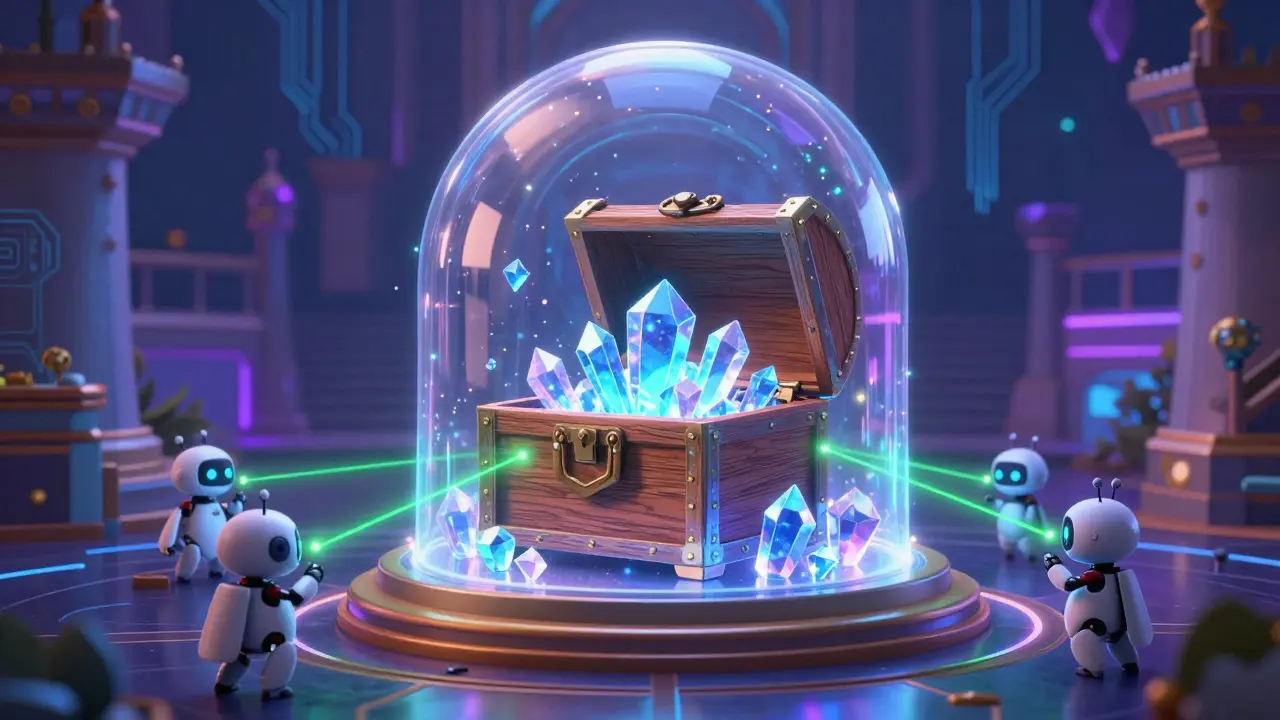
One of the biggest hurdles to adoption is user resistance. Complex security measures lead to frustrated employees or customers who find workarounds to bypass the safety protocols. The goal is to implement a "seamless" experience where security is invisible until needed.
This is where adaptive policies shine. Instead of demanding every piece of data every time, the system learns what is normal. If you log in from your usual coffee shop with your regular laptop, it asks for nothing extra. But if that same laptop suddenly connects from a hotel in Tokyo, the system kicks in the strictest mode. This balances operational efficiency with robust safety nets. Organizations must also consider accessibility; not everyone has the same physical abilities, so offering multiple biometric options or alternative hardware tokens ensures the system works for everyone.
Cloud-based identity providers have made deployment easier and cheaper. Many now include AI-driven detection engines that analyze session risk scores in milliseconds. By integrating these services into your workflow, you ensure that security evolves alongside emerging threats without requiring constant manual updates from your IT team.
Preparing for the Future of Identity
As we move further into 2026, the concept of static passwords is becoming increasingly archaic. Newer standards like Passkeys are gaining traction, replacing complex character strings with cryptographic keys stored securely on devices. These integrate naturally with MFA frameworks but simplify the user side drastically.
The ultimate goal is moving toward continuous authentication rather than a one-time check. Imagine a system that constantly validates your identity throughout a session, dropping you if your behavior changes unexpectedly. This shifts the paradigm from locking the door once to monitoring who walks through it at all times. For blockchain communities especially, this transition is necessary to maintain trust in decentralized ecosystems where traditional customer support recovery options do not exist.





Lisa Walton
The tech industry always pushes complexity while pretending to simplify life for us.
Joy Crawford
I feel like this stuff makes me sleep better at night :)
Alex Lo
Security is a huge topic right now and I think everyone needs to pay attention to what is going on with our digital lives. People really ignore the basics when they see how fast the world moves forward every day. You see so many leaks happening daily on the news cycle and it becomes a major headache for normal folk. We need to wake up folks because complacency kills accounts faster than malware does. It is scary how easy it gets stolen by hackers who sit in dark rooms waiting for mistakes. Biometrics help a lot I think even though some people worry about database breaches storing prints. But privacy issues remain too and we cannot sacrifice our identity just for convenience sake. We cant give up freedom for safety entirely but there is a thin line there. Yet we must balance both sides effectively before bad actors get a foothold in our lives. Hardware keys work best here according to most experts in the field today. They dont require battery power unlike those little phone apps that die when you lose charge. Just plug and sign the bit whenever you try to access sensitive financial records online. Software tokens fail eventually due to phishing schemes that look exactly like legit login screens these days. Phishing sites look identical now so visual inspection alone is not enough defense against modern attacks. Stay vigilant always my friends and check your logs regularly if possible.
Justin Smith
Password managers combined with YubiKeys offer a superior architecture compared to SMS codes.
Cara Boyer
They want to track your fingers next 😡 Govt loves biometrics for control!!!
Alex Kuzmenko
I thnk hardware is best bc softare fails somtimes
Justin Garcia
You are ignoring the supply chain risks in hardware manufacturing completely. Trusting a chip vendor blindly is stupid.
Matt Bridger
The implications of behavioral analytics are profound yet poorly understood by the general public regarding privacy rights.
Colin Finch
We dance around the concept of trust like it is invisible ink on a blank page. The fabric of digital identity frays when we rely on static secrets alone.
Elizabeth Akers
Definetely need to upgrade setup soon
Wade Berlin
Adaptive auth sounds great until the server decides you are an intruder at a coffee shop.
Ronald Siggy
It is essential to maintain a backup method so you do not lock yourself out of critical accounts.
Beverly Menezes
Just use the simple steps and be safe please
Zackary Hogeboom
This kind of stuff saves you from massive headaches down the road if you act now.
Samson Abraham
Protocols must adhere to international standards for interoperability between various platforms.
Addy Stearns
Consider the ontology of authentication as a shifting landscape where truth is verified through multiple dimensions of existence. The human element introduces variance into the system which algorithms struggle to parse correctly over time. Context is king when evaluating risk scores during a session lifecycle. If behavior deviates from the norm then friction should increase proportionately to protect assets. We live in a time where trust is quantified and measured in milliseconds of processing power.
Raymond K
I beleive we can all learn from each other and stay strong online together!
Chris R
Mobility requires solutions that work seamlessly across different networks and devices globally.
Markus Church
Formal compliance requirements will dictate adoption rates in corporate environments moving forward.
Leah Lara
Lots of buzzwords but same basic idea.
Shubham Maurya
Bruh stop using sms codes it is dead rn 💀🔥🔓
Jay Starr
My account was stolen last week despite having two factors enabled on the platform.