If you are hunting for a CrossSwap airdrop, you are likely asking one specific question: Can I claim free tokens right now? It is a fair question, especially when new blockchain projects constantly announce reward programs to build their communities. However, the situation with CrossSwap (CSWAP) is more complex than a simple "click to claim" scenario. Launched back in 2021, this protocol has evolved significantly, and understanding its current state requires looking at both the original promises and the hard data available as of early 2026.
The reality is that while a specific allocation exists in the project’s blueprint, finding active, verifiable distribution channels has proven difficult for users recently checking the ledger. Many projects promise rewards that never quite reach the community wallets. To understand where your CSWAP tokens might fit in, we need to unpack the technical architecture of the ecosystem and separate the historical tokenomics from current market realities.
Understanding the CrossSwap Ecosystem
To evaluate the value of any potential drop, you first need to understand what you are holding. CrossSwap operates as a hybrid solution in the cryptocurrency landscape. It functions primarily as a Decentralized Exchange, often referred to as a DEX. Unlike traditional exchanges where a central company controls funds, these platforms use code, called smart contracts, to execute trades directly between users. What makes CrossSwap distinct is its focus on bridging different blockchain networks.
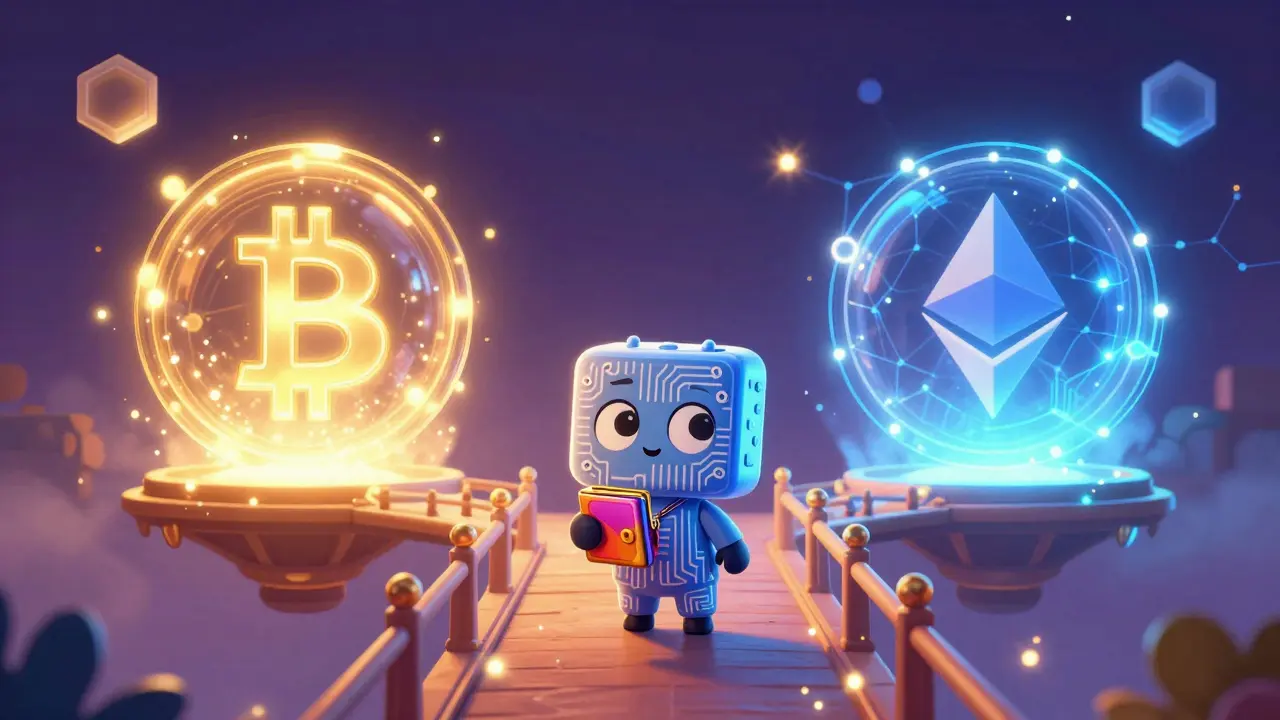
Imagine having Bitcoin on one chain and needing to swap it for an Ethereum token instantly without moving your assets around manually. That is the core problem CrossSwap aims to solve through automated trade routing. By integrating directly with the CrossWallet ecosystem, the system identifies the fastest paths for swaps across multiple chains. This cross-chain capability addresses a major friction point in the industry known as liquidity fragmentation, where funds are stuck on isolated networks making them harder to sell or trade.
The protocol launched initially on the Ethereum blockchain. Ethereum remains the dominant platform for launching new applications, though other competitors have emerged since then. As of our current timeframe in 2026, the project has been running for several years, which gives us a clearer picture of its long-term viability compared to fresh launches that pop up daily.
Tokenomics and Supply Mechanics
When analyzing an asset, the economic structure-the tokenomics-is just as important as the technology. The maximum supply for the CSWAP token is capped at 500 million units. This fixed limit is a deflationary design choice, theoretically intended to prevent hyperinflation of the currency's value over time. However, a deeper look reveals that the circulating supply is currently listed as zero according to major aggregators.
| Metric | Value |
|---|---|
| Total Max Supply | 500,000,000 Tokens |
| Initial Circulating | 6,000,000 Tokens |
| Airdrop Allocation | 1% of Total Supply |
| Token Generation Date | August 27, 2021 |
This discrepancy between the max supply and the visible circulating supply suggests that tokens may be heavily staked, locked in treasury vaults, or simply not yet liquid on public markets. Understanding this is crucial before attempting to claim anything. If you cannot see the token price history or volume, claiming airdropped tokens becomes tricky because you might receive them but have nowhere to sell them immediately.
The token economics also feature a revenue-sharing model. Unlike many airdrops that are one-time gifts, the CrossSwap plan was designed to offer ongoing utility. Specifically, 100% of trading fees accumulated through CrossWallet's built-in features were designated for distribution. This means that the value of holding CSWAP isn't just about a one-off cash-out; it was engineered to generate continuous passive income through staking. For a user participating in 2026, relying solely on a single static airdrop event is less valuable than engaging with the live revenue pool.
The Specifics of the 1% Airdrop Allocation
Here is where the story gets nuanced. The official project documentation states that 1% of the total supply was earmarked specifically for airdrop distribution. That sounds promising. With a max supply of 500 million, 1% equates to 5 million tokens set aside for community rewards. On paper, this represents a significant incentive program designed to bootstrap user growth.
However, transparency is key. In the broader crypto market, many teams announce high-percentage allocations without ever executing the distribution. When you search for current details on *how* to claim this specific chunk of the 5 million tokens, the path becomes obscured. There is no widely indexed "Claim Now" portal active for the general public in recent updates. This lack of visibility usually points to one of two scenarios: either the distribution happened quietly via private integrations, or the schedule was paused indefinitely.
Comparisons with similar projects highlight the difference in execution. For instance, the Midnight Network recently ran a structured campaign with clear dates, phases, and a scavenger-hunt mechanic for unclaimed assets. Their approach involved a 60-day window starting in late summer 2025. In contrast, CrossSwap's last major milestone was its Token Generation Event in 2021. While a 1% allocation exists in the code, the execution timeline for claiming those specific tokens remains undefined in public roadmaps.
Eligibility and Interaction Requirements
Since the standard "claim button" approach doesn't seem to exist, participants who previously interacted with the platform should look at their interaction history. Typically, legacy airdrops of this nature require proof of usage. This could mean having performed a swap on the network prior to a specific date or holding the token in a connected wallet during a snapshot period.
For those hoping to qualify retroactively, checking your Blockchain Wallet address on explorers like Etherscan or BscScan is the best first step. You would need to verify if you interacted with the specific contract addresses associated with CrossSwap during their active launch windows. Without a transaction hash linked to their smart contracts, you generally do not appear on the eligibility list.
The primary gateway to interacting with the CSWAP ecosystem remains the CrossWallet application. This software serves as the interface where users connect their hardware wallets or hot wallets to initiate swaps. Even today, the project emphasizes that benefiting from the revenue share requires active participation within this wallet environment. Simply owning the token isn't enough; the ecosystem prioritizes liquidity providers and active traders over passive hoarders.
Current Market Activity and Risks
It is vital to remain realistic about market performance. Recent data shows the token trading at extremely low volumes, approximately $17.74 in daily volume spread across five markets. Low liquidity creates risk. If you were to manage to claim a large amount of airdropped tokens, selling them could be impossible without crashing the price.
Safety is paramount in the current environment. Scammers frequently prey on hopeful airdrop hunters. Be extremely wary of Telegram bots or fake websites asking for your seed phrase. Legitimate airdrops never ask for private keys. Always access the official domain through verified bookmarks rather than clicking links in search results or social media comments. The prevalence of phishing attacks targeting "CrossSwap" names has risen alongside legitimate interest in the sector.
Another consideration is the "buy and burn" mechanism implemented by the project. Using transaction fees to purchase tokens from the open market and permanently destroying them is a strategy to increase scarcity. While this benefits holders long-term, it reduces the total number of tokens available for circulation, effectively tightening the supply further.

Alternative Opportunities and Landscape
If your goal is purely to gather new crypto assets via airdrops, looking solely at CrossSwap might limit your efficiency. The landscape in 2026 has moved toward Layer 2 solutions and bridge protocols that incentivize testing. Projects like Arbitrum or Optimism, along with newer entrants like the Midnight Network, offer more transparent and aggressive campaigns.
CrowdSwap, another player in the DEX space, recently announced a second major distribution cycle involving 2 million tokens. Their model uses a task-based system where leaderboard rankings determine payouts. This contrasts with the opaque nature of CrossSwap's current status. Diversifying your attention across platforms with active marketing campaigns ensures you aren't waiting on a single source that hasn't confirmed a payout date.
Frequently Asked Questions
Is there an active CrossSwap airdrop claim page in 2026?
Based on available data, there is no publicly indexed claim portal active for the general community in 2026. Most distributions appeared to be completed or paused following the initial Token Generation Event in 2021.
How do I check my CSWAP balance?
You should connect your wallet to the official CrossWallet interface or check your balance on the Ethereum block explorer using the contract address. Be cautious of imposter websites.
What is the total supply of the CSWAP token?
The maximum supply is capped at 500,000,000 tokens. Historical data showed only 6 million circulating at launch, with the rest held in reserves or staking pools.
Does CrossSwap have a revenue sharing model?
Yes, the protocol distributes 100% of trading fees generated within the CrossWallet ecosystem as rewards to token stakers, functioning as a continuous dividend.
Can I buy CSWAP tokens easily?
Purchasing can be difficult due to very low trading volume (under $20 daily) and limited active market listings. Liquidity is currently restricted.





Sam Harajly
The situation with CrossSwap is definitely more complicated than most people realize when they first jump in. I remember seeing the initial roadmap back in 2021 and it promised quite a bit regarding community integration. We are now in 2026 and the landscape has shifted significantly under our feet while we were sleeping. Many of us thought the revenue sharing model would be the main driver for long-term holding utility. It remains to be seen if the current staking pools are actually generating meaningful returns compared to inflation rates.
Brad Zenner
You should always verify your connection before attempting any transaction actions on the platform. Security protocols are essential when dealing with cross-chain bridges because smart contracts can hide vulnerabilities. I recommend checking the official documentation directly rather than relying on third-party aggregators. The risk profile changes depending on how you access the wallet interface. Taking extra precautions saves you trouble later down the road.
Abhishek Thakur
Technically speaking the gas limits on the Ethereum backbone still dictate the cost efficiency of moving assets. If the bridge protocol relies heavily on Layer 1 confirmations then latency spikes will affect swap execution speed. The tokenomics table mentions a fixed cap which is generally deflationary but liquidity fragmentation remains a core issue. Most DEX implementations struggle with deep order books during high volatility periods.
Jackie Crusenberry
Honestly the whole project feels like a ghost town these days and nothing exciting is happening. They talk about rewards but nobody sees them land in wallets. I am tired of reading the same vague promises over and over again.
YANG YUE
We live in a world where trust is the ultimate currency yet the code provides only cold logic. Perhaps the true value lies not in the token itself but in the network effect created by early adopters. When the market shifts the philosophical value proposition changes along with the price action. We are all participants in this digital ecosystem waiting for the next evolution cycle.
Anna Lee
I hope everyone recieves their toke soon and it goes well for us alll. Being part of commnity is gratefull even if wait is long!
Alice Clancy
trust is hard when companies play games with numbers and nobody checks the math properly. People should stop believing the marketing hype and look at the real ledger data instead. It is obvious that most projects just want your liquidity without giving anything back. American investors deserve better treatment than what we see here
Zion Banks
There is clearly a hidden agenda behind the locked supply figures that no one wants to discuss openly. Why would a project keep millions of tokens inactive unless there was a reason to manipulate scarcity? The silence from the development team speaks louder than any press release ever could. We need to wake up and realize that centralized control is likely happening off-chain.
John Alde
To truly understand the implications of the CrossSwap architecture we must analyze the initial whitepaper conditions alongside current market dynamics. The original intent was to solve cross-chain liquidity issues through automated routing algorithms that minimize slippage. However, the passage of time has revealed certain inefficiencies in how the token distribution was handled initially. Many users entered the ecosystem expecting immediate yield generation without considering the vesting schedules involved. The discrepancy between max supply and circulating supply indicates a strategic lock-up period designed to stabilize long-term valuation. Staking mechanisms were introduced to encourage holding behavior which theoretically reduces sell pressure on secondary markets. Yet the trading volume remains critically low suggesting a lack of confidence among institutional players. Without significant inflow of new capital the passive income model struggles to maintain its mathematical equilibrium. The buy-back and burn process helps mitigate inflation but only if there is sufficient transaction activity to fund it. Community governance appears stalled due to the opaque nature of the claim portal availability. Regulatory scrutiny in 2026 has also added layers of complexity to how rewards are distributed across jurisdictions. Smart contract audits should have been publicized more transparently during the genesis phase to build genuine trust. Legacy participants who interacted during the 2021 launch window remain the primary target group for eligibility. Checking blockchain explorers manually is the only reliable method left for verification purposes. Ultimately patience combined with technical diligence offers the best path forward for asset recovery.
manoj kumar
I think many people are missing the ethical obligation of project developers to their communities. Transparency is not optional in a decentralized environment where fiduciary duty matters more than profit margins. It feels disorganized to leave users guessing about claim procedures after such a long duration.
JOHN NGEH
It might just be a matter of timing and waiting for the right conditions to align perfectly. Sometimes the quiet periods are necessary for foundational stability improvements before expansion occurs.
Dheeraj Singh
The tech stack is probaby solid buut the execusion has been lacking severely in recent cycles. Teh average user does not care about whitepapers they care about profits and accessibility. Becuase of the confusion surrounding the airdrop date retention rates are dropping. It seems like teh management team is more interested in internal gains than external growth.
Mike Yobra
Naturally everyone hopes for a windfall but the reality of market microstructure tells a different story. The numbers simply do not add up when you strip away the glossy presentation slides. One wonders if the 1% allocation was ever meant to be released publicly at all.
Domenic Dawson
Please stay safe and never share your private keys with anyone claiming to help you unlock funds. There are plenty of legitimate tools available to track your balance securely on the blockchain. Support from the community is available if you encounter technical barriers during exploration.
Pradip Solanki
the narrative about revolution is just smoke and mirrors covering up basic accounting failures. most people fall for the buzzwords without understanding the underlying liquidity constraints. i prefer systems with verified onchain incentives rather than vague future promises. the risk to reward ratio here is currently skewed unfavorably for retail participants
Tony Phillips
Good luck to everyone trying to navigate this space.
Dominic Taylor
Engaging with these protocols requires a solid understanding of smart contract interaction risks and potential exit vectors. The liquidity depth on the main pairs suggests significant volatility potential if large holders attempt to liquidate simultaneously. Network effects are key but they depend on sustained volume rather than one-off campaigns.
Leona Fowler
It is important to maintain perspective and not let FOMO drive financial decisions during uncertain times. Everyone deserves a chance to succeed if the technology delivers value in the long term. Patience often reveals opportunities that impulsive buyers miss completely.
Anand Makawana
The data indicates a strong possibility of recovery if the treasury releases funds in Q4!! Please monitor the official channels closely!!! Security is paramount!!!
Nicolette Lutzi
The timing suggests a coordinated effort to delay payouts until regulatory frameworks clarify further. Deep pockets usually dictate the pace of disclosure in these situations rather than organic community growth metrics. We are watching the signs carefully and will act accordingly when the signal is clear.