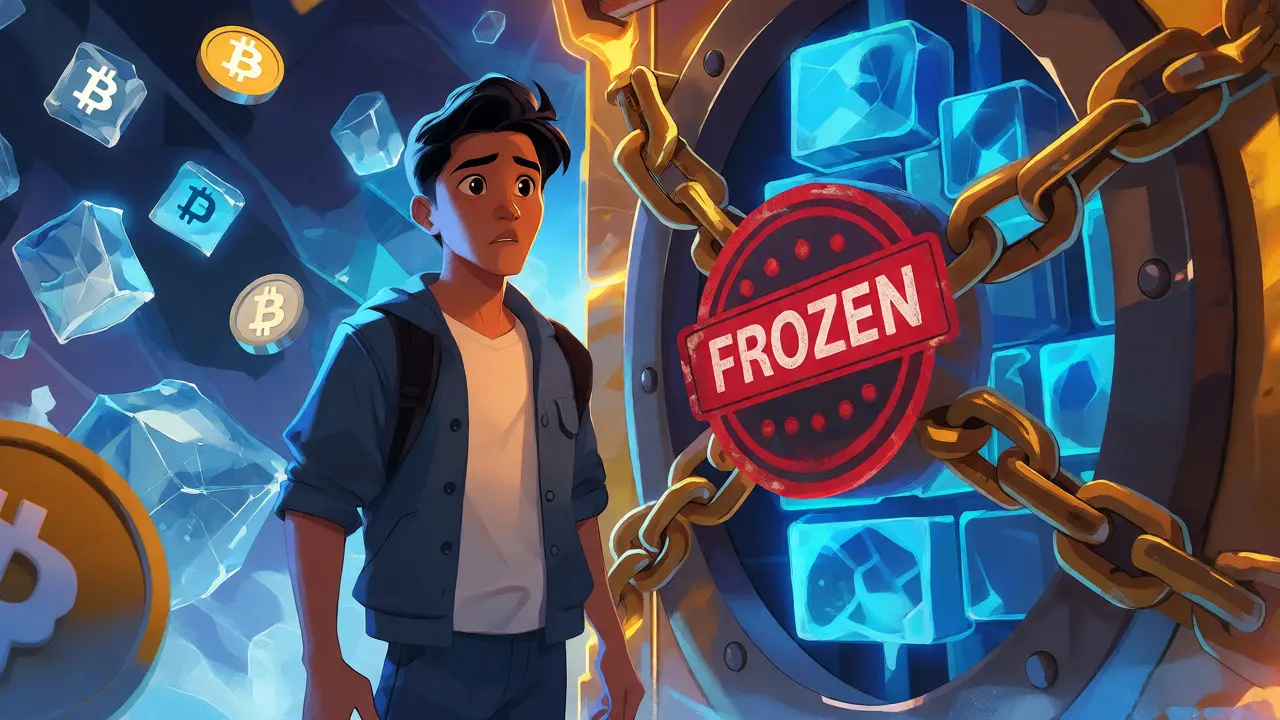
Imagine logging into your favorite exchange to find that your hard-earned digital savings are stuck. No withdrawals, no trades, just a stark message stating the funds are frozen. This isn't a glitch; it's reality for thousands of Filipino crypto users following the Securities and Exchange Commission (SEC)'s massive enforcement action in early 2025. The regulator froze approximately $150 million in cryptocurrency assets linked to twenty unlicensed exchanges. It’s a bold move designed to clean up a market worth over $107 billion, but it left many regular investors wondering: is my money safe, and can I get it back?
The Scale of the Freeze and Why It Happened
To understand why this happened, you have to look at how fast the Philippine crypto scene grew. By early 2025, digital asset investments in the country hit ₱6 trillion. That’s huge growth, driven largely by mobile-first solutions and a population eager for financial alternatives. But rapid growth often brings chaos. The SEC blacklisted twenty platforms that hadn’t registered properly under new rules introduced in January 2025. These regulations defined what counts as a "crypto-asset" and required providers to act like legitimate financial institutions.
The frozen funds weren't random. About 68% were stablecoins like USDT and USDC, with Bitcoin making up another 22%. Most of this value sat on Ethereum and Binance Smart Chain networks. The SEC didn't just guess these platforms were shady; they targeted entities operating without authorization during a period when the central bank had paused issuing new licenses. Essentially, the regulators stepped in because the market was moving faster than the law could keep up.
| Asset Type | Percentage of Total | Primary Blockchain |
|---|---|---|
| Stablecoins (USDT, USDC) | 68% | Ethereum / Tron |
| Bitcoin | 22% | Bitcoin Network |
| Altcoins | 10% | Binance Smart Chain |
Who Was Affected and How They Reacted
If you used any of the blacklisted exchanges, you likely felt the impact immediately. Major platforms saw their access blocked by internet service providers, cutting off users from their accounts overnight. Community reaction was mixed, leaning heavily toward frustration. On social media forums, threads exploded with users reporting losses averaging nearly $4,700 per person. Many complained that there was no warning-just a sudden halt to operations.
However, not everyone was angry. A survey by the Association of Cryptocurrency Enthusiasts of the Philippines found that 62% of users supported the crackdown. They argued that freezing suspicious funds was better than letting scammers run wild. Still, support didn't pay the bills. Users faced a communication gap, with many unaware that their chosen platform lacked proper licensing. Trust scores for these exchanges plummeted from an average of 4.2 stars to barely above one star within months.
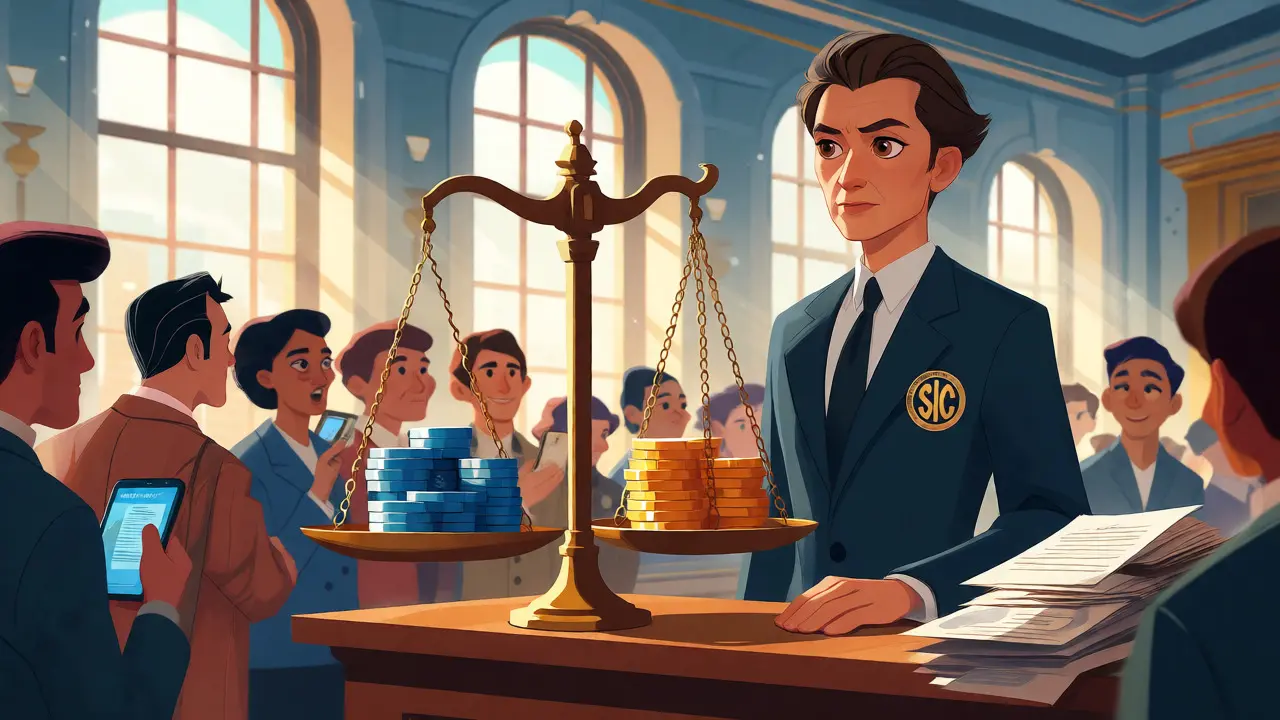
The Recovery Process: Can You Get Your Money Back?
So, what do you do if your assets are locked? The SEC set up a dedicated unit called the Crypto Asset Recovery Unit (CARU) to handle claims. But getting verified wasn't simple. As of mid-2025, only about 12% of affected users successfully completed the verification process. Why so low? The requirements were strict. You needed to provide proof of identity, detailed transaction history, and evidence that your funds weren't involved in illicit activities.
For less tech-savvy users, this was a hurdle. Navigating government portals and providing blockchain proofs took time. The average processing time stretched to 47 days per application. Worse, 34% of applicants were rejected simply for incomplete paperwork. If you’re trying to recover funds, don’t expect instant results. Licensed platforms like Coins.ph helped facilitate transfers, but their customer service lines were overwhelmed, with wait times jumping from hours to days.

Regulatory Context: Moratoriums and New Rules
This freeze didn't happen in a vacuum. It coincided with the expiration of a three-year moratorium on Virtual Asset Service Provider (VASP) licenses issued by the Bangko Sentral ng Pilipinas (BSP). For years, the BSP paused new licenses, creating a gray area where many platforms operated without clear oversight. The SEC’s action was partly a cleanup effort before the moratorium lifted in September 2025.
New guidelines now require stricter compliance. Exchanges must disclose information about the assets they offer and adhere to investor protection standards. The goal is to prevent the Philippines from becoming a haven for crypto-based financial crimes. With global crypto theft reaching billions annually, regulators felt pressure to act decisively. This aligns with international trends, though the Philippine approach focused specifically on domestic unlicensed operators rather than internationally sanctioned entities.
What This Means for Future Investors
For anyone looking to enter the Philippine crypto market, the lesson is clear: check the license. The era of "move fast and break things" is ending. Regulators are signaling that convenience won't outweigh compliance. While the $150 million freeze might seem drastic, it serves as a wake-up call. Legitimate businesses will survive; those cutting corners won't.
Looking ahead, the SEC plans to introduce a "Regulatory Sandbox." This program will allow select platforms to operate under temporary licenses while testing new models. It’s a step toward balanced regulation, aiming to protect consumers without stifling innovation. Experts predict the Philippines could become a model for emerging markets if they manage this transition well. But until then, due diligence is your best defense.
Why did the SEC freeze $150 million in crypto assets?
The SEC froze the assets because they belonged to twenty unlicensed cryptocurrency exchanges operating illegally in the Philippines. These platforms failed to comply with registration and disclosure requirements mandated by new regulations issued in January 2025.
Can I withdraw my funds from a frozen exchange?
Direct withdrawals are currently suspended. To recover funds, you must apply through the Crypto Asset Recovery Unit (CARU). The process involves submitting identity documents and transaction proofs, which can take several weeks to verify.
Which cryptocurrencies were mostly frozen?
Stablecoins made up the majority of the frozen assets, accounting for about 68% of the total value. Bitcoin comprised 22%, with various altcoins making up the remaining 10%. Most of these assets were held on the Ethereum and Binance Smart Chain networks.
How long does the recovery process take?
On average, it takes about 47 days to process a single recovery application. However, this varies depending on the completeness of your documentation. Incomplete applications face rejection or further delays, extending the timeline significantly.
Will licensed exchanges be affected by future freezes?
Licensed exchanges are generally safer, as they comply with SEC and BSP regulations. However, all platforms remain subject to audit. Staying informed about regulatory updates and ensuring your provider maintains valid licenses is crucial for avoiding similar issues.




Steve Parshall
Yo, this is exactly why you gotta stay sharp in the game! $150M frozen? That's a wake-up call for sure but don't let it scare you off. The market always corrects itself and those who adapt win big. Keep grinding, keep learning, and remember that regulation eventually brings stability which is good for long-term holders like us. Let's gooo!